

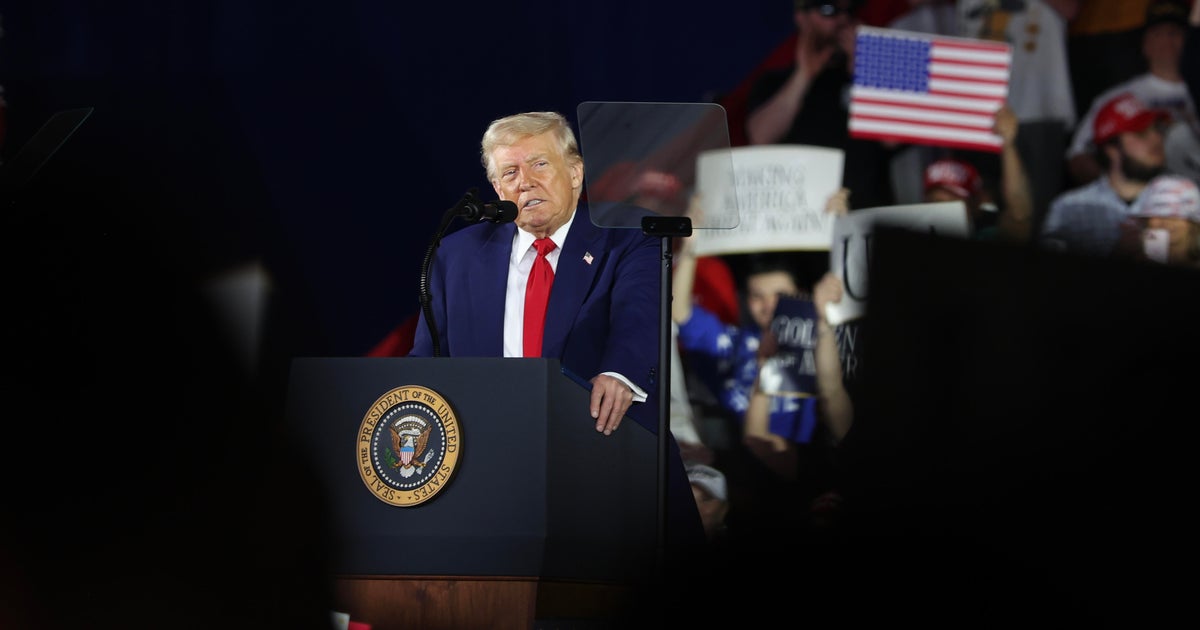

The announcement of new tariffs by the Trump administration aims to achieve several economic objectives, including the revitalization of U.S. manufacturing and the potential reduction of income taxes for many Americans. President Trump recently expressed that increased tariffs could lead to significant cuts in individual income taxes, particularly for those earning under $200,000 per year. Despite these claims, experts are questioning the feasibility of this plan, pointing to potential economic repercussions and the disconnect between tariff revenue and income tax elimination.
| Article Subheadings |
|---|
| 1) The Relationship Between Tariffs and Taxes |
| 2) The Impossibility of Eliminating Income Taxes |
| 3) Understanding Tariff Revenue Limitations |
| 4) Conflicting Economic Goals |
| 5) The Impact on American Consumers |
The Relationship Between Tariffs and Taxes
The Trump administration has painted a picture where tariffs are not only a tool for economic negotiation but also mechanisms for tax relief. Recently, President Trump has taken to social media to assert that the revenue generated by imposing higher tariffs—especially on imports from China—could lead to substantial cuts in income taxes for Americans earning less than $200,000 annually. This creates a connection in the public’s mind between increased tariffs on foreign goods and the potential for reduced tax liabilities at home.
However, the current legislative landscape presents challenges. At present, there is no active tax bill in Congress that supports the extraordinary elimination of federal income taxes for this income bracket. Analysts note that tax reforms must pass through Congress, and the notion of utilizing tariffs as a direct replacement for income taxes has raised eyebrows among economic experts. Erica York, a vice president at the Tax Foundation, posited that despite the president’s assertions, there remains no legitimate link between the two avenues of fiscal policy.
The Impossibility of Eliminating Income Taxes
York further emphasizes that even if there were an effort to replace income taxes with tariff revenue, the financial mathematics don’t support such claims vividly. According to her insights, the elimination of income taxes for those earning below $200,000 would require an astronomical increase in tariff revenues—far beyond what current rates could generate. This reality reflects the sheer scale of federal income taxes, totaling about $2.4 trillion annually, a figure that tariffs alone cannot match.
Efforts to raise tariffs to meet these income tax revenues would lead to aggressive trade measures, likely resulting in retaliation from other countries, thereby complicating the United States’ position in international markets. Many experts deem the concept implausible. Higher tariff rates might raise revenue, but not nearly enough to compensate for the lost income tax revenue, complicating fiscal stability.
Understanding Tariff Revenue Limitations
Further analysis by organizations such as the Peterson Institute for International Economics points out that even an outright doubling of tariffs on all goods would yield only limited revenues, approximately 40% of what federal income taxes currently generate. This statistic casts doubt on the administration’s assertions. Tariffs inherently fall short in their ability to produce necessary funding for income tax elimination.
The recent estimates project that tariffs could bring in around $170 billion this year, while forgoing income taxes for Americans in this income group would result in a staggering loss of $700 billion. This ratio starkly illustrates the challenge of relying solely on tariffs to fill the income tax gap. Experts argue that the economic math simply does not align to support the proposition of tariffs fully compensating for income tax losses.
Conflicting Economic Goals
The Trump administration’s stance on tariffs appears to be a balancing act between pursuing favorable trade agreements and leveraging import duties for domestic financial restructuring. Analysts note that the president’s objectives may be conflicting; using tariffs to secure better trade deals might undermine any intention to use those same tariffs for generating new federal revenues. With tariffs currently at their highest since World War II, this transition reflects a significant approach that has its complexity and risks.
Moreover, the inconsistency in tariff enforcement, such as temporary rollbacks during negotiations, raises uncertainty among businesses and investors. Scott Lincicome, a trade expert, suggests that frequent changes in tariff policies create an unstable environment for revenue generation, diminishing the likelihood of achieving projected fiscal goals. Thus, the intended financial relief from tariffs could instead end up generating a counterproductive economic environment amid trade friction.
The Impact on American Consumers
Above all, there looms a pressing concern regarding the impact of these tariffs on American consumers. Many experts assert that an increase in tariffs translates into higher consumer prices, disproportionately affecting lower- and middle-income households. As households face rising prices for fundamental goods, there is a risk that consumer spending—a vital economic driver—could decline, further complicating the government’s fiscal strategy.
The Yale Budget Lab estimates that individuals in low-income brackets are likely to experience a significant decrease in disposable income as a direct consequence of these tariffs, exhibiting a reality where consumer burden may outweigh the perceived benefits of tax relief. The assertion that tariffs could be a feasible substitute for income taxes thus raises crucial questions about their long-term sustainability and overall economic impact.
| No. | Key Points |
|---|---|
| 1 | New tariffs aim to stimulate U.S. manufacturing and potentially lower income taxes for many Americans. |
| 2 | There is currently no tax bill in Congress that supports the elimination of federal income taxes for those earning under $200,000. |
| 3 | Experts contend that the proposed connection between tariffs and income tax reduction lacks a financial basis. |
| 4 | Projected tariff revenues are vastly insufficient to offset the income tax revenue lost through such tax cuts. |
| 5 | Far-reaching economic implications, including increased consumer prices and reduced spending, signify challenges ahead. |
Summary
The ongoing narrative surrounding tariffs and income taxes under the Trump administration raises pivotal concerns regarding economic strategy and consumer impact. While the administration seeks to highlight tariffs as a mechanism for lowering taxes, critical analysis by experts illustrates the impracticality of these claims. The trajectory not only crystallizes economic challenges but also signals potential shifts in consumer behavior that could undermine broader fiscal aims.
Frequently Asked Questions
Question: How are tariffs connected to income taxes?
President Trump claims that the revenue generated from new tariffs could potentially lead to reduced income taxes for many Americans. However, experts indicate that no actual legislative provision supports this connection, as the U.S. Congress controls tax laws.
Question: What is the potential revenue from the proposed tariffs?
Experts expect that the tariffs could generate around $170 billion this year. In contrast, eliminating income taxes for households earning below $200,000 would lose approximately $700 billion in tax revenue, highlighting a significant revenue gap.
Question: How would tariffs affect American consumers?
Tariffs often lead to higher prices for imported goods, disproportionately impacting lower- and middle-income households. As these groups tend to spend a larger portion of their income on basic necessities, the burden of increased costs could lead to reduced consumer spending overall.
