

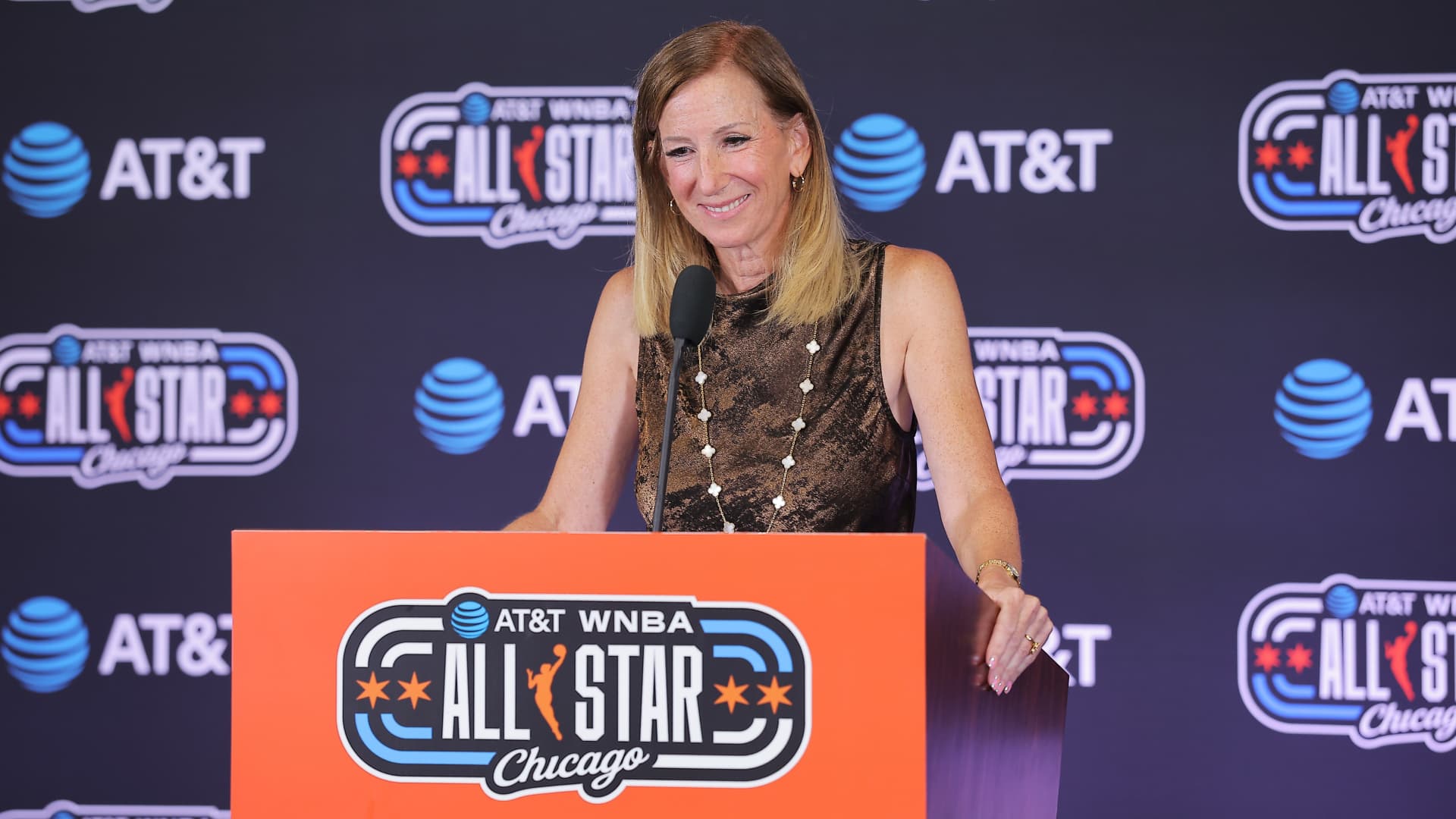

WNBA Commissioner Cathy Engelbert has announced her decision to retire at the end of 2026, according to a recent league announcement. This decision comes in the wake of record growth for the league, but not without facing criticism from players regarding her leadership. Engelbert, who has held the position since 2019, made significant strides during her tenure, yet some players feel that various issues, ranging from compensation to officiating, have marred her leadership. With no successor currently named, the WNBA will be looking for a new figurehead to guide this evolving league into its next chapter.
| Article Subheadings |
|---|
| 1) Cathy Engelbert’s Legacy as WNBA Commissioner |
| 2) Growth Metrics: Viewership and Team Valuation |
| 3) Players’ Concerns and Criticism |
| 4) Social Issues and Their Impact on the League |
| 5) The Future of the WNBA Post-Engelbert |
Cathy Engelbert’s Legacy as WNBA Commissioner
Cathy Engelbert took the helm of the WNBA in 2019, becoming the league’s first commissioner. Her appointment came at a time when the WNBA needed strong leadership to elevate its visibility and enhance its value in the sports landscape. Engelbert recognized that the league, despite its historical significance, had significant potential that had yet to be fully realized. Under her leadership, she prioritized building relationships with players, teams, and fans, as well as enhancing the league’s revenue streams and media exposure. In her statement regarding her retirement, Engelbert reflected on her journey, noting the remarkable progress made during her tenure: “I retire knowing we have built something bigger, stronger, and more enduring than we could have imagined.” This sentiment captures her commitment to fostering growth and her belief in the continued success of women’s basketball.
Growth Metrics: Viewership and Team Valuation
During Engelbert’s tenure, the WNBA has experienced unparalleled growth in multiple key performance indicators. According to league statistics, viewership has surged approximately 454%, while game attendance has risen around 70% since 2019. This remarkable increase can be attributed to several factors, including enhanced marketing strategies, partnerships with media networks, and players’ influence on social media, which continues to attract a broader audience. Furthermore, team valuations have reached record highs, with the average WNBA franchise now valued at $460 million. Notably, the Golden State Valkyries, the latest addition to the league, have made history by being the first women’s sports franchise to be valued at $1 billion. Such metrics illustrate the growing economic power and popularity of the league, reflecting the hard work and strategic initiatives implemented under Engelbert’s guidance.
Players’ Concerns and Criticism
Despite these impressive growth figures, Engelbert’s leadership has not been without its challenges. Numerous players have expressed concerns about compensation, officiating standards, and her responsiveness to issues affecting the players. The Women’s National Basketball Players Association (WNBPA) has often pointed out the disparities between the league’s financial success and the athletes’ salaries. In a prominent statement, WNBPA President Nneka Ogwumike highlighted the long-standing fight for adequate compensation and protections for players, stating, “Being able to have your worth tied mostly in your salary is all that we’ve been fighting for, and it’s what we were able to achieve.” Furthermore, criticisms have been levied at Engelbert for not adequately addressing the voices and concerns of players, translating into a sense of disconnect within the league.
Social Issues and Their Impact on the League
In more recent times, Engelbert’s administration has faced scrutiny for its handling of social issues, particularly concerning political protests that emerged around the topic of transgender women participating in sports. Allies and advocates emphasize the importance of inclusivity within sports, while criticism has arisen over perceived inaction regarding this complex issue. Some players, like Napheesa Collier of the Minnesota Lynx, have articulated their frustrations by stating, “We have the best players in the world. We have the best fans in the world. But, right now, we have the worst leadership in the world.” Such declarations highlight the significant role that effective leadership is expected to play in navigating politically sensitive topics within the sports arena.
The Future of the WNBA Post-Engelbert
As Engelbert prepares for her departure, the future of the WNBA remains uncertain. The league will need to identify a successor capable of addressing the multifaceted needs of players while also ensuring continued growth and collaboration with team owners and sponsors. The successor will face expectations to maintain and enhance the league’s trajectory, negotiate better collective bargaining agreements, and handle social issues proactively. Retaining the momentum achieved during Engelbert’s term will be vital for the WNBA, as it stands at a significant crossroads, both culturally and economically. Furthermore, the need for inclusivity and responsiveness to players’ concerns will be paramount for any future leadership to succeed.
| No. | Key Points |
|---|---|
| 1 | Cathy Engelbert has announced her retirement at the end of 2026, concluding a significant leadership era for the WNBA. |
| 2 | Under Engelbert, the WNBA has seen a 454% increase in viewership and strong growth in team valuations. |
| 3 | Players have voiced concerns regarding compensation and transparency under Engelbert’s leadership. |
| 4 | Engelbert faced criticism for her handling of social issues, including the political protests surrounding transgender athletes. |
| 5 | The WNBA’s next leadership phase will require a focus on inclusivity, player relations, and sustained growth. |
Summary
Cathy Engelbert’s retirement marks a pivotal moment for the WNBA, encapsulating a decade of progress blended with the need for continued evolution. While her tenure is celebrated for unprecedented growth, it was not without its controversies and criticisms from players. As the league looks ahead, it faces significant challenges alongside opportunities for improved inclusivity and responsiveness in leadership. The stakes are high for the WNBA as it navigates the complexities of a rapidly changing sports environment, carrying forward the legacy Engelbert has helped establish.
Frequently Asked Questions
Question: What major accomplishments did Cathy Engelbert achieve during her time as commissioner?
Cathy Engelbert oversaw a remarkable increase in viewership, team valuations, and game attendance, solidifying the WNBA’s position in sports. She also facilitated landmark negotiations for better player compensation through a collective bargaining agreement.
Question: What challenges did Engelbert face during her presidency?
Engelbert faced criticism regarding player relations, especially concerning compensation issues, officiating quality, and the league’s handling of social and political matters.
Question: What direction is the WNBA expected to take after Engelbert’s leadership?
The WNBA is expected to seek a new commissioner who can build on the league’s growth while addressing player concerns and navigating social issues to ensure a more inclusive environment.
