

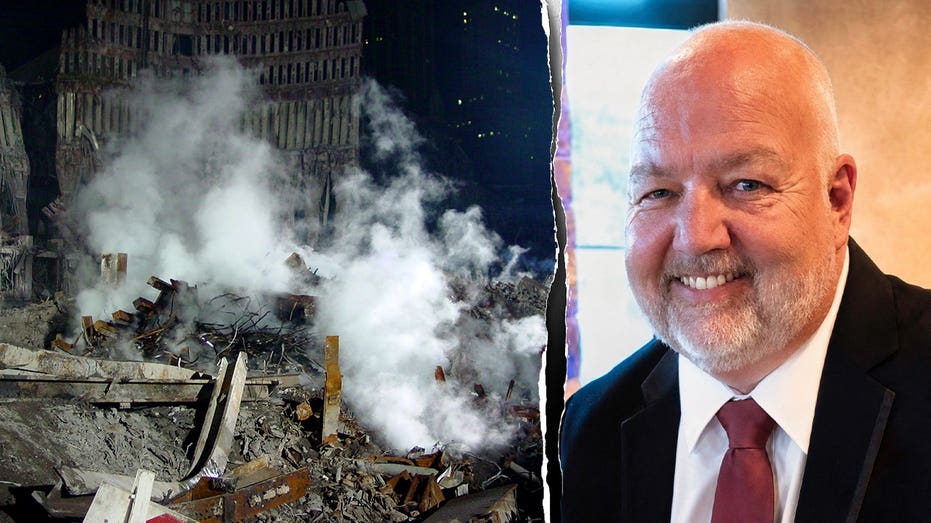

Ken Tregellas is reflecting on the service, trauma and health consequences that followed his work at Ground Zero during the 9/11 anniversary in 2026. He left Wisconsin after a phone call asked him to coordinate Salvation Army relief operations in Lower Manhattan. Tregellas spent months supporting recovery workers and families searching for information about missing loved ones. Ten years after the attacks, he was diagnosed with cancer that required prolonged treatment, chemotherapy and a stem cell transplant.
Although the experience changed his health and emotional outlook, Tregellas says he would still make the same decision to serve. He now speaks to students and others about what he witnessed, urging younger generations to remember the attacks and the solidarity that followed.
Article Subheadings
| 1) | A phone call sends a Wisconsin responder to Ground Zero |
| 2) | Salvation Army teams support recovery workers and families |
| 3) | The emotional weight of the recovery effort follows him home |
| 4) | Cancer becomes a lasting health consequence of exposure |
| 5) | Speaking to younger generations keeps the memory alive |
A phone call sends a Wisconsin responder to Ground Zero
Ken Tregellas was preparing his twins for school in Wisconsin on Sept. 11, 2001, when he saw reports that an aircraft had struck the North Tower. The second impact made clear that the United States was under attack. Within hours, Tregellas received a call asking him to serve as the Salvation Army’s Red Zone coordinator in New York City.
He had previously managed emergency assistance programs in underserved communities and decided he needed to deploy. Once commercial flights resumed, he traveled to New York on a plane carrying only five passengers. His first view of the city came under extraordinary circumstances, with smoke rising from the ruins of the World Trade Center.
“I was still pretty shocked that there was still fire burning,” Tregellas recalled.
Salvation Army teams support recovery workers and families
At Ground Zero in Lower Manhattan, Tregellas oversaw Salvation Army services for workers involved in the recovery operation. Six tents provided food, clothing, sleeping areas and a place where exhausted responders could replace damaged footwear, rest and speak with others.
The operation also addressed emotional and spiritual needs. Counseling and prayer were available around the clock, while families from around the world came to the site seeking information about loved ones. Tregellas said staff often worked through interpreters and had to listen carefully to people facing uncertainty and grief.
The emotional weight of the recovery effort follows him home
After nearly 32 years of Salvation Army work, Tregellas had already witnessed disasters and personal loss. However, the scale of death at Ground Zero changed how he processed later emergencies. When he responded to floods and saw people lose homes and possessions, he found himself comparing those losses with the lives lost in New York.
He said the comparison made it difficult to respond with the same empathy he had shown before. The experience also affected how he viewed danger and loss in his own life. Despite that lasting emotional burden, he has said his service was worth the sacrifice.
“Knowing you’d get cancer, would you still have served?” his children asked him. He answered, “I wouldn’t have changed a thing. It was an honor.”
Cancer becomes a lasting health consequence of exposure
About 10 years after the attacks, Tregellas sought medical care because he was having trouble eating and swallowing. Doctors found cancer in his tonsils and later diagnosed stage 4 mantle B-cell lymphoma, a rare blood cancer.
His treatment included about eight months of chemotherapy, lengthy hospital stays and a stem cell transplant. When the cancer returned in his other tonsil roughly a year after treatment, doctors decided that repeating the initial approach would be too harsh. He instead received ibrutinib, a drug used for certain blood cancers, until February 2026. He says the medication returned him to remission.
The 9/11 Victim Compensation Fund has helped support his treatment. The fund identifies cancer as one of the continuing health consequences faced by responders, survivors and people who lived or worked in Lower Manhattan after the attacks.
Speaking to younger generations keeps the memory alive
Ken Tregellas now speaks, including to students who know the attacks mainly through history lessons. He describes the recovery work, the families seeking answers and the way the events affected responders long after they left New York.
For Tregellas, education is a way to preserve both the tragedy and the unity that followed. He says the anniversary provides an opportunity to remember how people worked together and to consider what future generations can learn from that period.
Key Points
| 1 | Tregellas coordinated Salvation Army relief services at Ground Zero after traveling from Wisconsin. |
| 2 | Six tents offered meals, clothing, rest areas, counseling and spiritual support. |
| 3 | He later developed stage 4 mantle B-cell lymphoma and underwent intensive treatment. |
| 4 | Tregellas says he remains in remission after treatment that included chemotherapy, a stem cell transplant and ibrutinib. |
| 5 | He speaks to students to preserve the history and lessons of 9/11. |
Summary
Ken Tregellas’s account connects the immediate humanitarian response at Ground Zero with the physical and emotional consequences that continued for decades. His experience highlights the support provided to recovery workers and grieving families, as well as the serious illnesses later faced by many responders and survivors. By sharing his story with students, he is helping ensure that the events of 9/11 remain understood beyond personal memory.
Frequently Asked Questions
What was Ken Tregellas’s role after 9/11?
He served as the Salvation Army’s Red Zone coordinator, overseeing relief services for recovery workers and families at Ground Zero.
What cancer was Tregellas diagnosed with?
Doctors diagnosed him with stage 4 mantle B-cell lymphoma after he developed difficulty eating and swallowing.
How does Tregellas preserve the memory of 9/11?
He speaks to students and other audiences about his experiences, the recovery effort and the importance of remembering the attacks and the solidarity that followed.
