

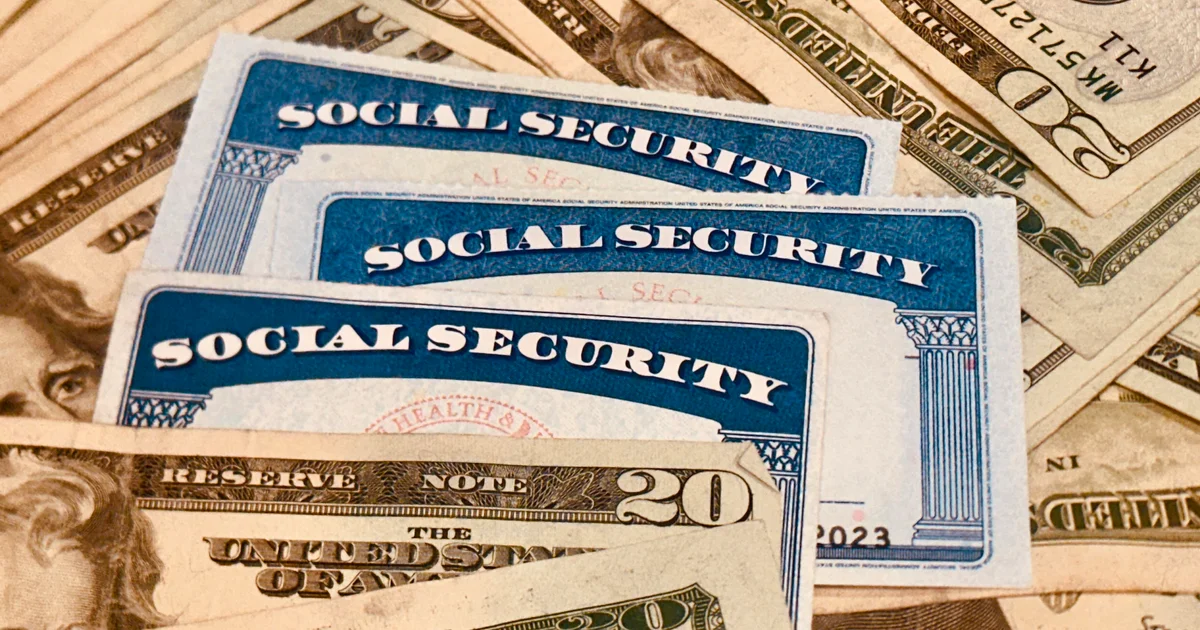

Millions of seniors are set to receive an unexpected $90 deposit from the Social Security Administration, raising questions about its origins. This announcement follows a move by the Trump administration to provide checks to approximately 20 million Medicare enrollees as part of efforts to help reduce healthcare costs. Despite the assistance, experts contend that this one-time payment may not fully offset the ongoing increases in expenses facing Medicare recipients.
| Article Subheadings |
|---|
| 1) Understanding the $90 Payments to Seniors |
| 2) Eligibility Criteria for the One-Time Payment |
| 3) Process of Distribution for Payments |
| 4) Reasons Behind Exclusions from Payments |
| 5) Impact of Rising Healthcare Costs on Seniors |
Understanding the $90 Payments to Seniors
This week, millions of seniors are expected to receive a $90 deposit linked to the Trump administration’s initiative aimed at alleviating rising healthcare costs for Medicare enrollees. The checks primarily target participants in Medicare’s Part B, which covers essential services including doctor visits, outpatient care, and preventive screenings. According to official statements, approximately one-third of the 62.9 million individuals enrolled in Medicare Part B will qualify for this one-time payment, while nearly 40 million others will not.
The initiative is part of the broader Medicare Improvement Fund, designed to bolster the original Medicare fee-for-service program. By offering these $90 payments, the intent is to provide immediate financial relief to those most impacted by escalating healthcare costs. Healthcare expenses have been cited as a significant concern among Americans of all ages, and this financial assistance arrives amid ongoing discussions regarding the sustainability of Medicare funding in the face of rising premiums and benefits costs.
Eligibility Criteria for the One-Time Payment
Eligibility for the $90 payment is limited to seniors enrolled in traditional Medicare Part B who do not pay income-related premiums or receive assistance from Medicaid. This stipulation means that those enrolled in Medicare Advantage plans, along with beneficiaries paying adjusted premiums due to their income level, will not receive these funds. The projected number of eligible recipients stands at more than 20 million, a fraction of the total Medicare Part B population.
Officials indicated that this selection process is intended to prioritize lower-income beneficiaries, ensuring that those who may be less financially resilient can benefit from the payment.
“People who are paying the income-related premium have higher incomes to begin with, so the thinking is that they may be better able to absorb higher costs,”
explained Juliette Cubanski, vice president of the Program on Medicare Policy at a nonprofit health policy organization.
Process of Distribution for Payments
Eligible beneficiaries can expect to receive the $90 payment through direct deposit from the Social Security Administration around October 8. Reports have surfaced from various seniors indicating that deposits might already be reflecting in their accounts as of recent days, suggesting a timely rollout of the initiative. However, not all beneficiaries will receive the funds through electronic means; a portion will receive paper checks dispatched from the U.S. Department of the Treasury later in October.
Certain advocates have expressed concern regarding the efficacy of paper checks, warning that many seniors might overlook these payments amid the inundation of mail they receive during the open enrollment season for health insurance. Each check will bear a clear message indicating its purpose as a “Medicare Improvement Fund Payment,” aimed at offsetting the October premium costs.
Reasons Behind Exclusions from Payments
Despite the financial assistance provided, nearly 40 million Medicare Part B enrollees will not qualify for the $90 payment. Those excluded include seniors who are enrolled in Medicare Advantage plans, individuals who pay an income-related adjusted premium, those living outside the U.S., and beneficiaries with premium assistance. This exclusion raises questions about the comprehensiveness of the support offered by the initiative, as many beneficiaries still grapple with financial burdens.
Eligible beneficiaries wishing to determine their payment status are advised to call the Medicare helpline at 1-800-MEDICARE. Additionally, if they wish to inquire about the status of the payment, they should contact the Social Security Administration at 1-800-772-1213 starting October 15, ensuring they remain informed about their benefits and potential aid.
Impact of Rising Healthcare Costs on Seniors
The increase in healthcare costs has emerged as a significant issue affecting Americans, regardless of age. Several surveys highlight that many individuals view these expenses as a top financial worry. Economists and health policy experts underscore that, while the $90 payments offer some relief, they fall short of addressing the overarching challenges stemming from consistent premium hikes, particularly for Medicare recipients.
Recent data from the Medicare trustees’ report indicates that premiums for Medicare Part B rose by more than $200 annually in 2026 and are anticipated to increase by nearly $80 in 2027. Such trends suggest a long-term financial struggle for many seniors, making this one-time payment a temporary relief rather than a sustainable solution. As ongoing discussions around healthcare reform continue, the implications of rising costs will undoubtedly remain a top priority for lawmakers and concerned stakeholders.
| No. | Key Points |
|---|---|
| 1 | Seniors are receiving $90 deposits from the Social Security Administration as part of a new initiative. |
| 2 | Eligibility for the payment is limited to certain Medicare beneficiaries who do not pay income-related premiums. |
| 3 | Payments will be distributed via direct deposit for most eligible beneficiaries and by paper check for some. |
| 4 | Around 40 million Medicare enrollees are excluded from these payments based on specific criteria. |
| 5 | Rising healthcare costs continue to be a significant financial concern for Americans of all ages. |
Summary
The initiative to provide $90 payments to select Medicare beneficiaries represents a response to the financial pressures faced by many seniors amidst rising healthcare costs. While the payments offer much-needed assistance, they highlight systemic issues within the Medicare framework and the broader healthcare system that require ongoing attention. As millions of seniors navigate these challenges, the focus remains on finding sustainable solutions to address their financial and health security.
Frequently Asked Questions
Question: When will the $90 payments be distributed?
The payments will be predominantly distributed around October 8 through direct deposits, with some paper checks being sent later in the month from the U.S. Department of the Treasury.
Question: Who is not eligible for the $90 payments?
Individuals enrolled in Medicare Advantage plans, those who pay an income-related adjusted premium, individuals living outside the U.S., and beneficiaries receiving premium assistance are not eligible for the payments.
Question: How can beneficiaries check the status of their payment?
Eligible beneficiaries can check their payment status by calling the Social Security Administration at 1-800-772-1213 starting on October 15.
