

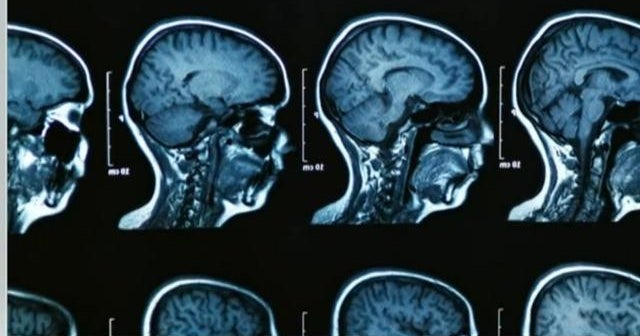

The ongoing cuts to federal funding for health agencies under the current administration have raised serious concerns among Alzheimer’s research advocates. Experts warn that critical programs aimed at understanding and treating Alzheimer’s disease may be adversely affected, potentially putting the health and lives of millions at risk. With significant federal dollars involved in Alzheimer’s research, the sustainability and progress of future treatments remain uncertain amid these financial reductions.
| Article Subheadings |
|---|
| 1) The Impact of Federal Cuts on Alzheimer’s Research |
| 2) Challenges for Innovation in Alzheimer’s Treatment |
| 3) Optimism Amid Funding Uncertainty |
| 4) The Importance of Bipartisan Support |
| 5) Future Implications of Research Funding Cuts |
The Impact of Federal Cuts on Alzheimer’s Research
The Trump administration’s decision to significantly cut federal funding for several health agencies has ignited concern among Alzheimer’s professionals and advocates. The National Institutes of Health (NIH) is facing major budget reductions which could directly impact Alzheimer’s research, a field already heavily dependent on governmental funding. According to the Alzheimer’s Association, two vital programs—the Healthy Brain Initiative and Building Our Largest Dementia Infrastructure (BOLD)—have seen staff placed on administrative leave due to these cuts, leading to fears that vital research could come to a standstill. The Healthy Brain Initiative focuses on enhancing public understanding of brain health, while the BOLD program works towards improving risk reduction and early diagnosis.
The Alzheimer’s Association has emphasized the importance of these initiatives, noting in a recent statement that they “have a meaningful impact on Americans every day.” Funding for Alzheimer’s research is pivotal, with estimates suggesting that federal investments amount to approximately $3.8 billion each year. Without continued financial support, the development and refinement of treatments may face significant delays, adversely impacting the quality of life for patients and their families.
“
Reduced research funding means we are delaying the development and refinement of treatments that could delay or prevent the onset of dementia symptoms, reducing quality of life and increasing suffering for both patients and families.
” said Jason Krellman, a clinical neuropsychologist at Columbia University Irving Medical Center, underscoring the urgency of the situation. He added that now is a crucial time for advancements in brain disease research, as new drugs are being developed that address underlying causes of Alzheimer’s rather than just alleviating symptoms.
Challenges for Innovation in Alzheimer’s Treatment
In light of funding cutbacks, innovation in Alzheimer’s treatment is also under threat. Lawrence Chernin, co-founder of Dabble Health, a company specializing in cognitive health monitoring, expressed concern that the lack of funding could stymie potentially revolutionary therapies. He highlighted an app his team is developing that aims to provide users with a “cognitive score,” inspired by health monitoring applications that score sleep quality. However, uncertainty around funding has hindered further scientific validation of such technologies.
Chernin states that traditional investors often deem concepts like theirs “too early and too risky,” noting the importance of government funding. “Government funding through NIH and SBIR grants represents the only viable bridge from promising research to clinical validation,” he emphasized. With the NIH cutting funds, Chernin fears these cuts endanger not just his company, but also the broader innovation pipeline for Alzheimer’s care.
The Small Business Innovation Research (SBIR) program plays a crucial role in providing early-stage funding to small businesses focused on aging and related research. According to the NIH’s National Institute on Aging, it allocates nearly $150 million annually for this purpose. The potential loss of such funding could have profound implications not just for Chernin’s company but for many like it that rely on these resources to transform early-stage research into commercially viable products aimed at treating Alzheimer’s.
Optimism Amid Funding Uncertainty
Despite prevailing fears, some professionals remain optimistic about the future of Alzheimer’s research. For instance, Dr. Joshua Hare, chairman and chief science officer at biotechnology firm Longeveron, has noted that their recent Phase 2 study results for an Alzheimer’s drug were positive, allowing hope to flourish amidst uncertainty. While he recognizes the challenges posed by funding cuts, particularly in the context of the current administration’s broader health policy changes, he still believes that key areas of Alzheimer’s research will continue to receive appropriate funding.
Hare expressed this conviction by stating, “I can’t say that for sure. I’m not in the government. I just listened to the testimony that the new director of NIH gave to Congress in his confirmation hearings, and he specifically addressed Alzheimer’s research and said it deserves ongoing funding.” His company has previously secured NIH funding for pediatric trials, indicating that substantial investment can still be attained, even amid a financial crunch.
As Longeveron presses ahead in its pursuit of developing effective Alzheimer’s treatments, Hare believes that such dedication is imperative for delivering necessary therapies to patients as swiftly as possible, even as policymakers navigate a complex landscape of budget cuts and public health needs.
The Importance of Bipartisan Support
The continued fight against Alzheimer’s disease hinges on bipartisan cooperation, according to advocates. Charles J. Fuschillo, Jr., president and CEO of the Alzheimer’s Foundation of America, has spoken out about the necessity for joint action among federal policymakers. In a statement, he remarked, “We are grateful that federal policymakers in Congress and the White House worked together in a bipartisan manner over the last decade to deliver essential federal funding increases for Alzheimer’s research.” Fuschillo acknowledged that treating Alzheimer’s not as a political issue but rather as a public health crisis has been a pivotal aspect of this progress.
Fuschillo emphasized that maintaining this bipartisan approach is essential to ensure that resources continue flowing into crucial research areas. “Building on that progress is vital to ensure we reach the finish line of finding a cure for Alzheimer’s,” he stated, underscoring the urgency of not allowing federal funding cuts to derail advances in the field.
Future Implications of Research Funding Cuts
As significant federal budget cuts loom, the implications for Alzheimer’s research are profound. Researchers and advocates agree that reduced funding may not only hamper current projects but may also lead to a stagnation of innovative developments that could offer hope to millions affected by Alzheimer’s and related diseases. The alarming reality is that the aging population is growing, and Alzheimer’s disease is set to become even more prevalent in the coming years.
Without adequate funding, researchers warn that the progress made in understanding and treating Alzheimer’s could take a step backward, delaying potential treatments and worsening the quality of life for patients and caregivers alike. This predicament has ignited calls for legislators to prioritize healthy funding practices to prevent a regression in groundbreaking research that could change the lives of millions.
In conclusion, the cuts threaten to undermine both current research initiatives and the promise of future breakthroughs, making advocacy for increased funding more critical than ever.
| No. | Key Points |
|---|---|
| 1 | Federal cuts could hinder vital Alzheimer’s research programs. |
| 2 | Industry professionals express concern over innovation and funding shortages. |
| 3 | Some optimism prevails among researchers regarding future funding opportunities. |
| 4 | Bipartisan cooperation is essential to address Alzheimer’s disease effectively. |
| 5 | Future implications of fund cuts stress the urgency for increased support for research. |
Summary
The ongoing cuts to federal funding pose a significant threat to Alzheimer’s research, affecting programs crucial for advancing understanding and treatment of the disease. With the involvement of major health organizations and the professional community, the imperative for bipartisan collaboration becomes clearer. Maintaining funding is paramount for supporting innovative treatments that could alleviate suffering for millions of patients and their families in the years to come.
Frequently Asked Questions
Question: What are the implications of federal funding cuts on Alzheimer’s research?
Federal funding cuts may severely limit research opportunities, delaying the development of important treatments for Alzheimer’s and related conditions, ultimately affecting the life quality of patients and their families.
Question: How critical are programs like BOLD to Alzheimer’s research?
Programs like BOLD play crucial roles in risk reduction and early detection of Alzheimer’s, making them essential for advancing knowledge and improving healthcare strategies for the disease.
Question: What actions are being taken by researchers amid funding uncertainty?
Researchers are advocating for increased funding, emphasizing the importance of bipartisan support to ensure the continuity of essential programs aimed at Alzheimer’s research and treatment.
