

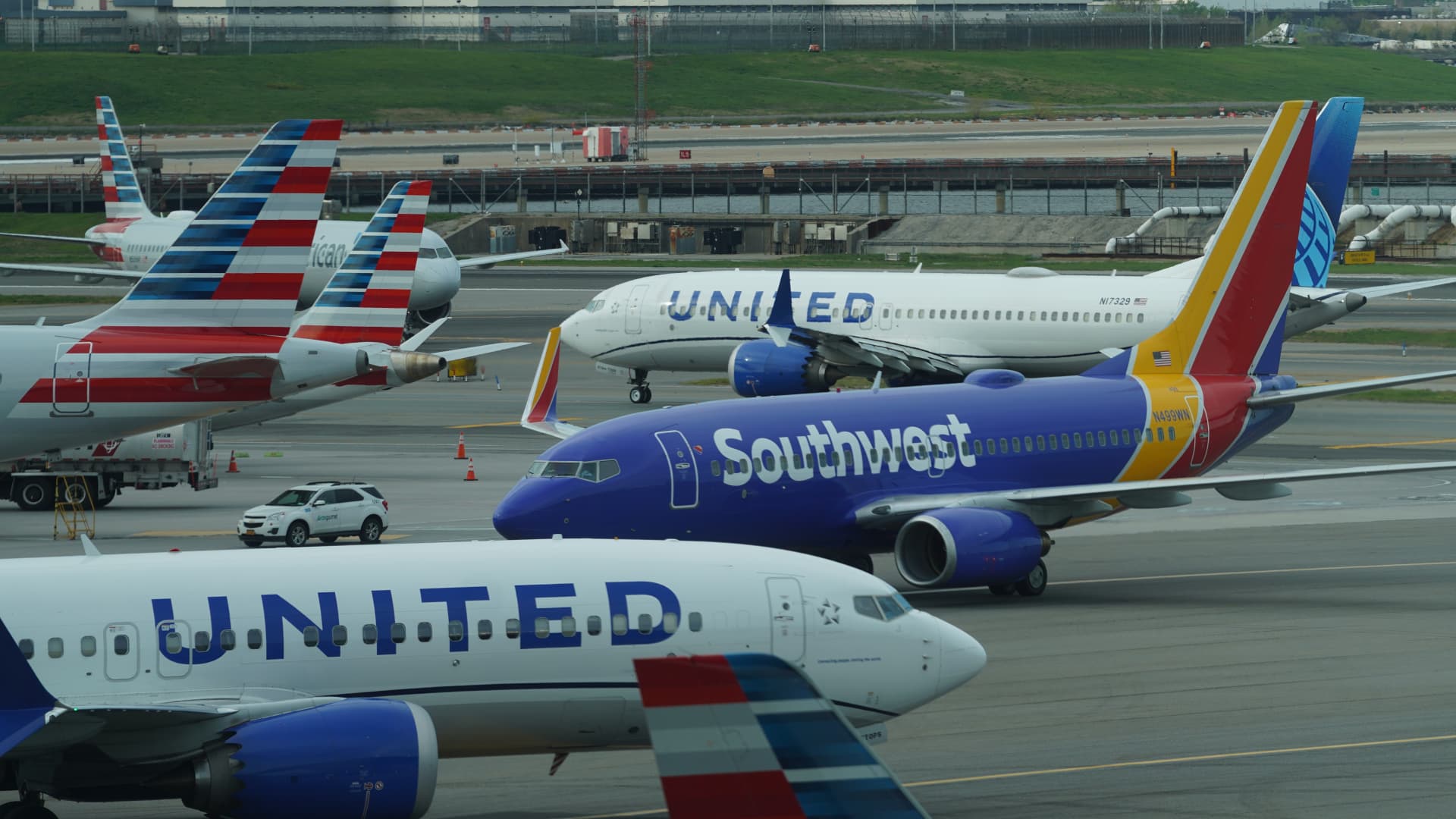

As airfares continue to rise across the United States, travelers can expect higher costs for flights amid ongoing volatility in fuel prices. Federal data reveals that airfare increased by 26.5% from the previous year as major airlines like United and American Airlines anticipate substantial increases in fuel expenses for 2026. Despite these price hikes, airlines are observing strong demand from consumers who appear willing to book travel despite elevated fares, leading to a significant shift in market dynamics.
The implications of these trends are multifaceted, impacting not just airline pricing strategies but also the competitive landscape within the airline industry. Factors such as rising operational costs and diminishing competition from smaller carriers further complicate the air travel market, which will likely continue to evolve in the coming months.
| Article Subheadings |
|---|
| 1) Rising Airfares and Consumer Behavior |
| 2) The Impact of Fuel Prices on Airlines |
| 3) Market Shifts and Airline Consolidation |
| 4) Post-Summer Trends in Air Travel |
| 5) The Future of Airline Pricing Strategies |
Rising Airfares and Consumer Behavior
The airline industry is currently witnessing a significant surge in airfare prices, with reports indicating an increase of 26.5% in June compared to the same month last year. This phenomenon comes despite rising fuel costs and other expenses that airlines face, reflecting a strong demand that continues to push ticket prices upward. Travelers like Marjorie Aran, who recently traveled from New York to Chicago, shared her experience of having to pay around $800 for economy tickets—an amount she regards as acceptable given her financial situation. This sentiment is echoed by many other travelers, indicating a willingness to pay more for flights rather than forgo their travel plans.
Airline executives, while aware of the ongoing price hikes, also recognize the resilient demand from consumers. This trend sparks discussions regarding consumers’ pricing thresholds. With people like Justin Wittekind announcing they may consider a $400 limit for round-trip flights, it seems there is a threshold for many, although others are prepared to pay higher amounts if necessary. This behavior has allowed airlines to maintain their pricing strategies despite the public knowledge of soaring prices.
The Impact of Fuel Prices on Airlines
Fuel prices are a critical component of airline expenses, and recent surges have caused a stir among major carriers. The data suggests that airlines like United Airlines expect to incur about $6 billion more in fuel costs this year compared to earlier projections. Meanwhile, American Airlines foresees similar increases, attributing over a 50% hike in fuel expenses from 2025 to today. This scenario introduces significant challenges, prompting airlines to explore various strategies to offset these rising costs.
The airline industry is responding robustly to the unpredictability of fuel prices. For instance, United recently disclosed that the spike in fuel costs impacted their financial projections, causing an adjustment of $1.12 off of their third-quarter earnings. Furthermore, airlines are taking preventive measures, such as Southwest’s unprecedented decision to transport over 12 million gallons of jet fuel from Houston to Los Angeles by sea, highlighting their proactive approach to fuel sourcing in the face of uncertainties.
Market Shifts and Airline Consolidation
Another critical component of the changing airline landscape is market consolidation. Currently, the four largest airlines in the U.S.—American, Delta, United, and Southwest—now dominate the market with an 82.1% share of flown seats, an increase from previous years. This rise is attributed to diminishing competition from lower-cost airlines, driven in part by the recent collapse of Spirit Airlines, a carrier historically known for low fares. Spirit’s sudden exit from the market reduced available seats almost overnight, further consolidating the market.
In addition, several low-cost airlines are strategically retreating from routes or moderating growth to maintain financial stability amidst rising operational costs. Despite the pullback from smaller carriers, airlines like JetBlue, Frontier, and Allegiant are forging ahead with plans to introduce first-class seating and redesign their pricing structures to attract customers looking for more premium options. This shift reflects a broader trend within the industry, focusing on maximizing revenue while managing escalating costs.
Post-Summer Trends in Air Travel
As the end of the peak summer travel season approaches, airlines are bracing for a transitional period that may reveal how willing consumers are to bear higher costs. Traditionally, August has marked a decline in travel demand compared to earlier summer months. Recent analytics indicate a 0.5% decline in airport checkpoint screenings from last year, further suggesting softening demand. However, airlines are encouraged by international travel trends as consumers look to book travel during off-peak months, seeking better pricing and reduced crowds.
Still, the airlines are preparing for possible market fluctuations as both demand and pricing strategies adapt to post-summer realities. For many travelers, factors like personal circumstances and upcoming travel plans will dictate their willingness to pay elevated prices, as evidenced by feedback from individuals contemplating their budgets as they navigate the changing pricing landscape.
The Future of Airline Pricing Strategies
As a complex interplay of influences continues to shape the evolving airline market, airlines are likely to further refine their pricing strategies in response to consumer behavior, fuel volatility, and the competitive landscape. The expectation is that airlines will try to balance between maintaining profitability and keeping air travel accessible for consumers. With the potential for cost pressures to persist, the industry’s focus on adapting business models will remain a top priority.
Moreover, airlines are exploring diverse methods to enhance ancillary revenues through add-on services, premium seating options, and diversified ticketing structures. By re-evaluating their pricing strategies, airlines hope to navigate both short-term challenges and long-term market transformations, paving the way for continued growth despite uncertainties.
| No. | Key Points |
|---|---|
| 1 | Airfares in the U.S. saw an average increase of 26.5% from the previous year. |
| 2 | Airlines are passing on higher fuel costs to consumers, with projections indicating significant increases in fuel expenses for the year. |
| 3 | The largest U.S. airlines have increased their market share due to reduced competition from smaller carriers. |
| 4 | Post-summer trends indicate potential shifts in consumer travel behavior as peak travel season ends. |
| 5 | Airlines are adapting their pricing strategies in response to rising costs and changing consumer preferences. |
Summary
The current state of the airline industry reveals a transformative era characterized by rising airfares and shifting consumer behaviors. While airlines are grappling with heightened operational costs, the sustained demand suggests a willingness among passengers to accept higher ticket prices. The integration of enhanced pricing strategies amidst a contracting competitive landscape could define the airline market in the near future, making it increasingly crucial for carriers to adapt to both consumer expectations and economic realities.
Frequently Asked Questions
Question: What factors are driving the increase in airfare prices?
Airfare prices are being driven up by several factors, including rising fuel costs, increased operational expenses, and sustained demand from travelers who are willing to pay higher prices.
Question: How have fuel prices impacted airline operations?
Fuel prices have risen significantly, putting pressure on airlines to increase fares. Carriers like United and American have projected billion-dollar increases in fuel costs for the year, prompting them to adjust pricing structures accordingly.
Question: What changes are occurring within the airline market?
The airline market is experiencing consolidation, with major carriers gaining market share due to reduced competition from smaller, struggling airlines. This shift enables larger airlines to maintain higher pricing power amidst rising operational costs.
