

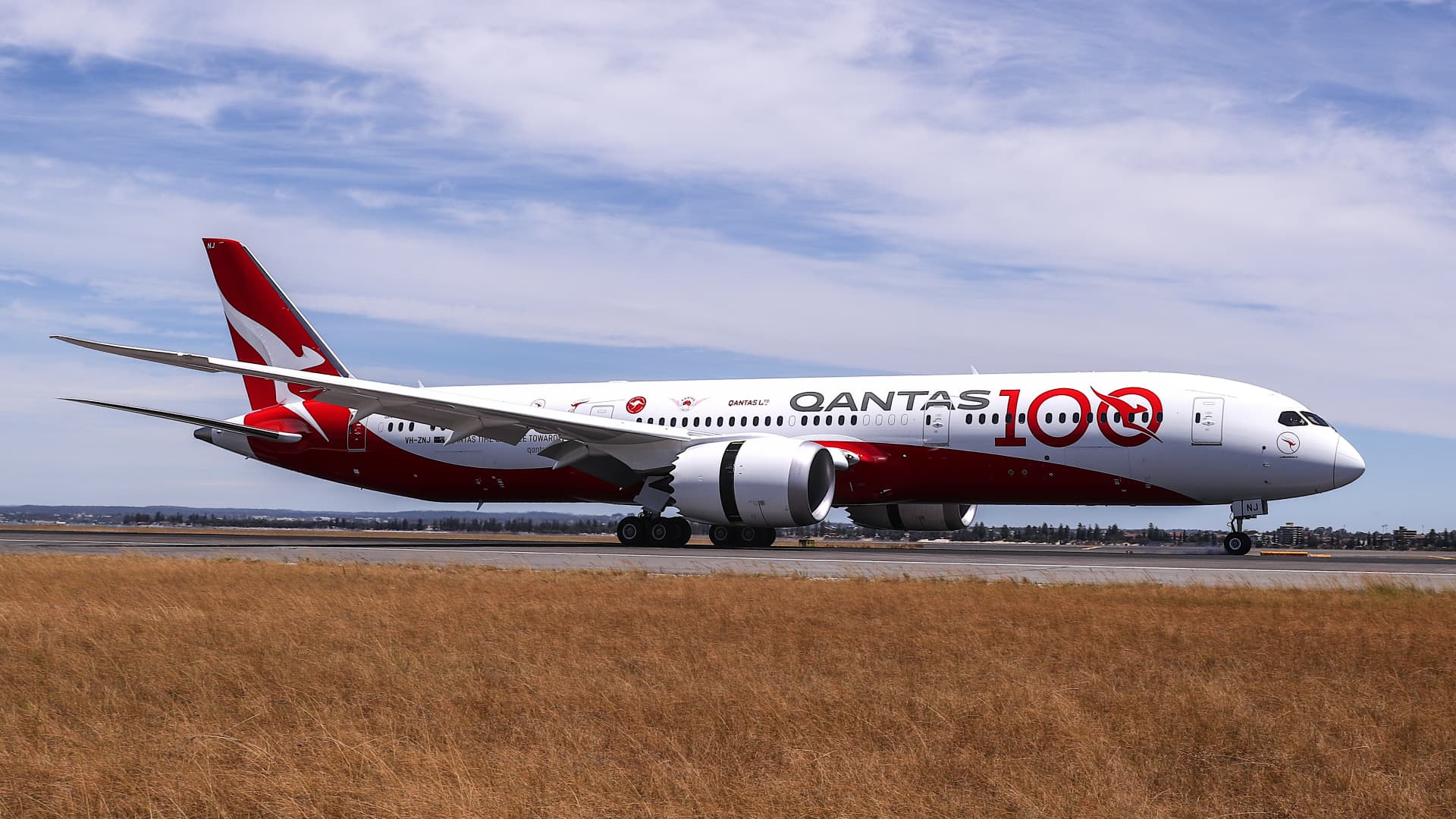

Qantas Airways is set to offer its first nonstop flights between New York and Sydney starting in August 2028. This groundbreaking route is part of the airline’s push into ultra-long-haul travel, facilitated by specially designed Airbus aircraft. The journey will span approximately 18 hours, making it one of the longest commercial flights in the world, catering to high demand for direct services that minimize layover inconveniences for travelers.
| Article Subheadings |
|---|
| 1) Launch of Nonstop Flights |
| 2) Competition in Long-Haul Travel |
| 3) Demand for Direct Flights |
| 4) Innovative Aircraft Features |
| 5) Strategies to Combat Jet Lag |
Launch of Nonstop Flights
Qantas Airways, a prominent Australian airline, will commence its first nonstop flights from New York to Sydney in August 2028. This strategic move signals the airline’s commitment to expand its ultra-long-haul flight options, providing travelers with a direct route that eliminates the need for time-consuming layovers. The expected flight time of around 18 hours positions this service among the longest commercial flights globally, catering to those seeking to traverse the distance between the two major cities as efficiently as possible. Qantas has named this expansive initiative “Project Sunrise” and is focused on enhancing the travel experience for passengers willing to engage in such lengthy journeys.
Competition in Long-Haul Travel
As Qantas prepares to launch this new route, it will not operate in isolation. The airline is entering a competitive market characterized by existing long-haul services. Currently, Singapore Airlines operates the longest nonstop flight from New York’s John F. Kennedy International Airport to Singapore, which can last up to 19 hours, depending on the wind and other factors. Additionally, Qantas itself plans to introduce flights between London Heathrow and Sydney, which will take approximately 20 hours, further solidifying its position in the long-distance travel sector. With these flights, Qantas aims not only to attract more travelers but also to reclaim its status in the competitive arena of ultra-long-haul airlines.
Demand for Direct Flights
Qantas CEO Vanessa Hudson reported on the increasing demand for nonstop flights, particularly highlighted by the success of their Perth to London route, which lasts over 17 hours. This growing trend reflects travelers’ preferences for direct services that minimize connection times, enabling a more streamlined travel experience. In an interview, Hudson emphasized that the airline has learned from expanding their offerings: “There is absolutely a customer who wants this and is prepared to pay a premium for it.” The insights gathered indicate a clear market appetite for long-haul flights that reduce overall travel time, reinforcing Qantas’s strategy to cater to this demand with its New York to Sydney service.
Innovative Aircraft Features
The aircraft designated for this route is the Airbus A350-1000 ULR, specifically designed for ultra-long-range flights. This aircraft is equipped with advanced features that include different cabin options—first class, business class, premium economy, and standard economy. Notably, the A350-1000 has enhanced fuel capacity, enabling it to cover the extensive distance between New York and Sydney without necessitating refueling stops. This focus on the type of aircraft used for long-haul routes is essential for maintaining a competitive edge in the airline industry, as operational efficiency and passenger comfort play crucial roles in the overall travel experience.
Strategies to Combat Jet Lag
In anticipation of the challenges posed by long-haul flights, Qantas has taken proactive measures to alleviate the symptoms of jet lag, which commonly affect travelers undertaking extensive journeys. Through Project Sunrise, the airline has collaborated with sleep scientists to develop strategies aimed at minimizing the disruptions that accompany significant time zone changes. These innovations include unique lighting schemes on board, designed to help passengers adjust more seamlessly to the destination’s time zone. Furthermore, Qantas is exploring various onboard services and amenities intended to enhance passenger comfort, ensuring that customers arrive at their destinations feeling refreshed instead of fatigued.
| No. | Key Points |
|---|---|
| 1 | Qantas Airways will begin nonstop flights from New York to Sydney in August 2028. |
| 2 | The flight will last approximately 18 hours, making it among the longest in the world. |
| 3 | The airline aims to tap into growing demand for direct long-haul flights. |
| 4 | The Airbus A350-1000 ULR will be used, featuring enhanced fuel capacity and various cabin classes. |
| 5 | Qantas is implementing strategies to reduce jet lag for passengers on long-haul routes. |
Summary
The introduction of nonstop flights between New York and Sydney marks a significant advancement for Qantas Airways in the realm of international air travel. By leveraging the capabilities of the Airbus A350-1000 ULR and implementing innovative strategies to enhance passenger comfort, Qantas is poised to meet the growing demand for direct long-distance travel. This development not only underscores the airline’s dedication to expanding its services but also illustrates a broader trend within the aviation industry aimed at improving the travel experience for consumers willing to invest in premium flight options.
Frequently Asked Questions
Question: Why is Qantas introducing nonstop flights between New York and Sydney?
Qantas is introducing nonstop flights to cater to the increasing demand for direct long-haul travel, allowing passengers to avoid layovers and reduce overall travel time.
Question: What aircraft will be used for this new route?
The flights will utilize the Airbus A350-1000 ULR, which is specifically designed for ultra-long-range operations and includes various cabin classes for passenger comfort.
Question: What measures is Qantas taking to address jet lag on long flights?
Qantas is collaborating with sleep scientists to implement strategies such as innovative lighting schemes to help passengers adjust to new time zones more effectively, aimed at reducing the impact of jet lag.
