

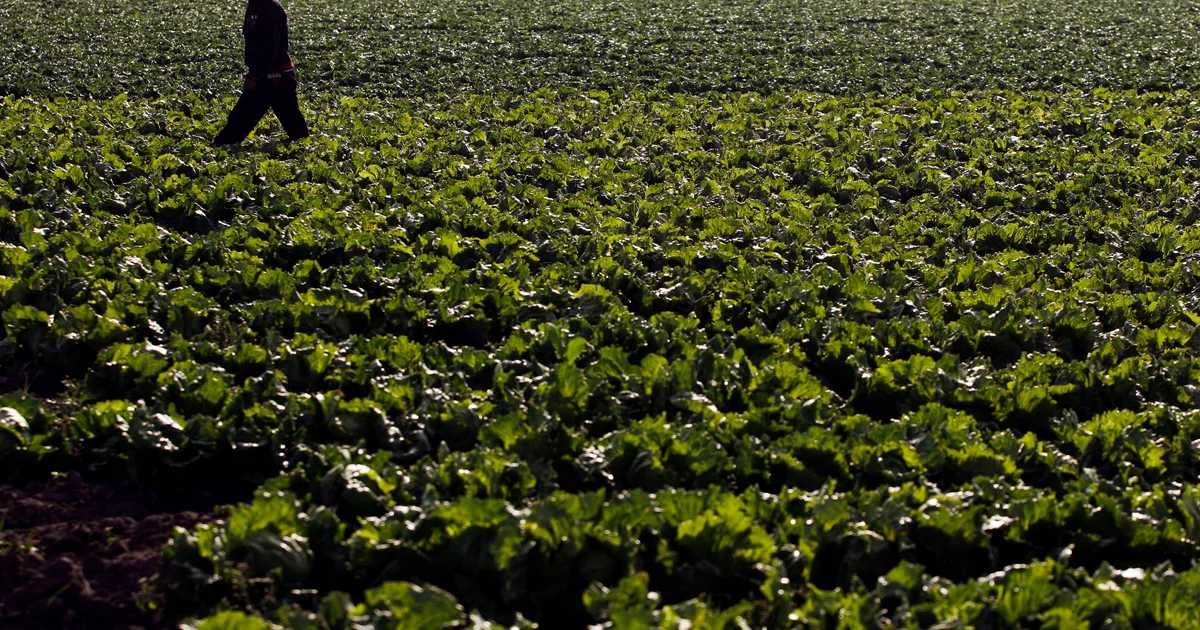

Recent inspections by the Food and Drug Administration (FDA) reveal significant gaps in foreign food safety oversight, particularly in light of an ongoing cyclosporiasis outbreak linked to a Mexican farm. Despite a federal law mandating nearly 20,000 inspections annually, the FDA has consistently fallen short of this target, completing under 1,000 inspections in 2025. With alarming trends of reduced inspections and inadequate funding and staffing, experts warn that the agency’s inability to meet inspection targets undermines food safety for American consumers.
| Article Subheadings |
|---|
| 1) Overview of FDA Inspections |
| 2) Legislative Background and Inspection Mandate |
| 3) Challenges Facing the FDA |
| 4) The Importance of Inspections |
| 5) Future Directions for Food Safety |
Overview of FDA Inspections
In 2025, the FDA conducted just under 1,000 foreign food safety inspections, a stark contrast to the nearly 20,000 mandated by a federal law designed to prevent unsafe food from entering the U.S. The agency has fallen short of congressional targets for a decade, raising concerns about the safety of imported food products. In 2024, inspections plummeted by 29%, marking the lowest count since 2011 and serving as a troubling indicator of the agency’s effectiveness in safeguarding food supplies.
This decline is particularly alarming given that a third of FDA inspections over the last decade resulted in the identification of violations related to foodborne hazards. The inspections are crucial not only for ensuring compliance with safety regulations but also for preventing widespread outbreaks. For example, the USDA is responsible for meat and poultry inspections, while the FDA oversees a broad range of food products including fruits, vegetables, and processed foods, making its inspections vital for public health.
Legislative Background and Inspection Mandate
The Food Safety Modernization Act (FSMA), enacted in response to increasing concerns over food safety, set a goal of conducting 19,200 foreign inspections per year by 2016. However, the FDA has argued that this target is unrealistic given its limited resources and has failed to propose an adjusted target to Congress. Though the agency claims that resources must be allocated based on risk, the disparity between the mandate and actual inspections continues to be a major issue.
With approximately 47,000 foreign manufacturers contributing to the vast majority of food imports into the U.S., the FDA’s efforts have been insufficient. An evaluation from the Government Accountability Office (GAO) indicated that the FDA inspected only 4.5% of these manufacturers since 2023. This raises serious questions about the oversight mechanism for ensuring food safety and puts consumers at risk of foodborne illnesses that could be easily avoided through effective inspections.
Challenges Facing the FDA
Staffing has presented a formidable challenge for the FDA in meeting its inspection obligations. Currently, the agency employs about 432 inspectors, which has not kept pace with attrition and the increasing demand for inspections. While Congress mandated the hiring of an additional 5,000 inspectors under FSMA, funding has not supported such growth. The operational challenges have been compounded by resource constraints, relying heavily on domestic inspectors for foreign inspections, further limiting their capacity.
Economic factors have also played a significant role. Inspections are cost-intensive, amounting to an estimated $38,700 per foreign inspection. Meeting the current congressional mandate would require around $743 million annually, which constitutes more than 10% of the FDA’s budget. This financial strain, coupled with layoffs in support staff during the previous administration, has resulted in front-line inspectors having to manage logistical tasks that divert their focus from inspections themselves.
The Importance of Inspections
Despite the challenges, inspections remain a critical aspect of food safety and consumer protection. Experts emphasize that routine inspections are a vital “first line of defense” against potential outbreaks. For instance, the recent cyclosporiasis outbreak can be traced back to inspections that had not occurred in several years, raising concerns about the safety protocols of farms like Taylor Farms de Mexico, which had not been inspected for over seven years before the outbreak.
Public health analysts argue that while food companies bear the primary responsibility for ensuring the safety of their products, the FDA’s role remains indispensable. Consumers often remain unaware of the safety and contamination status of food items upon purchase, thus reinforcing the necessity for consistent and thorough inspections by regulatory agencies. Meridith Seife, a lead author of an HHS Inspector General report, stressed that without routine inspections, the agency’s ability to mitigate risks goes blind, which could lead to larger public health crises.
Future Directions for Food Safety
Going forward, the FDA has announced plans to expand staffing at foreign posts to address gaps in food safety oversight and to meet the congressional mandate more effectively. However, experts urge that this initiative alone will not suffice to change the current trajectory without substantial adjustments in funding and legislative support. The FDA must reassess inspection goals and the funding required to meet these targets while addressing challenges related to staffing.
Further collaboration with international food safety agencies, such as those in Canada, New Zealand, and Australia, could also yield significant benefits. By accepting each other’s food safety and inspection results, the FDA can optimize its resources while ensuring that imported food remains safe for American consumers. Nevertheless, experts warn that fundamental changes are necessary to improve the inspection process and restore public confidence in food safety standards.
| No. | Key Points |
|---|---|
| 1 | The FDA conducted fewer than 1,000 foreign food safety inspections in 2025, far below the mandated target. |
| 2 | Federal laws require the FDA to perform nearly 20,000 inspections annually, a goal the agency has not met in over a decade. |
| 3 | Challenges such as staffing shortages and budget constraints hinder the FDA’s ability to conduct adequate inspections. |
| 4 | Inspections are critical for food safety and preventing outbreaks, as highlighted by the recent cyclosporiasis incident. |
| 5 | Experts emphasize the need for more resources and better management to improve food safety oversight. |
Summary
The FDA’s significant shortfall in foreign food safety inspections against federally mandated targets raises critical concerns about American consumers’ protection from foodborne illness. With increasing calls for legislative action and proper funding, the agency faces growing scrutiny regarding its oversight capabilities. Without immediate reforms and enhanced resources, the risks associated with imported food could escalate, necessitating decisive actions to safeguard public health in the future.
Frequently Asked Questions
Question: What is the significance of the FDA’s inspection shortfall?
The FDA’s failure to meet foreign inspection targets is concerning because it undermines food safety standards, increasing the risk of foodborne illnesses for consumers in the U.S.
Question: Why are there staffing challenges at the FDA?
Staffing challenges arise from budget constraints and high attrition rates, with the agency struggling to retain and hire adequate numbers of inspectors to meet safety inspection requirements.
Question: How does the FDA determine which foreign food facilities to inspect?
The FDA employs a risk-based model, assessing factors like a company’s history of compliance and the volume of imports to determine the priority of inspections.
