

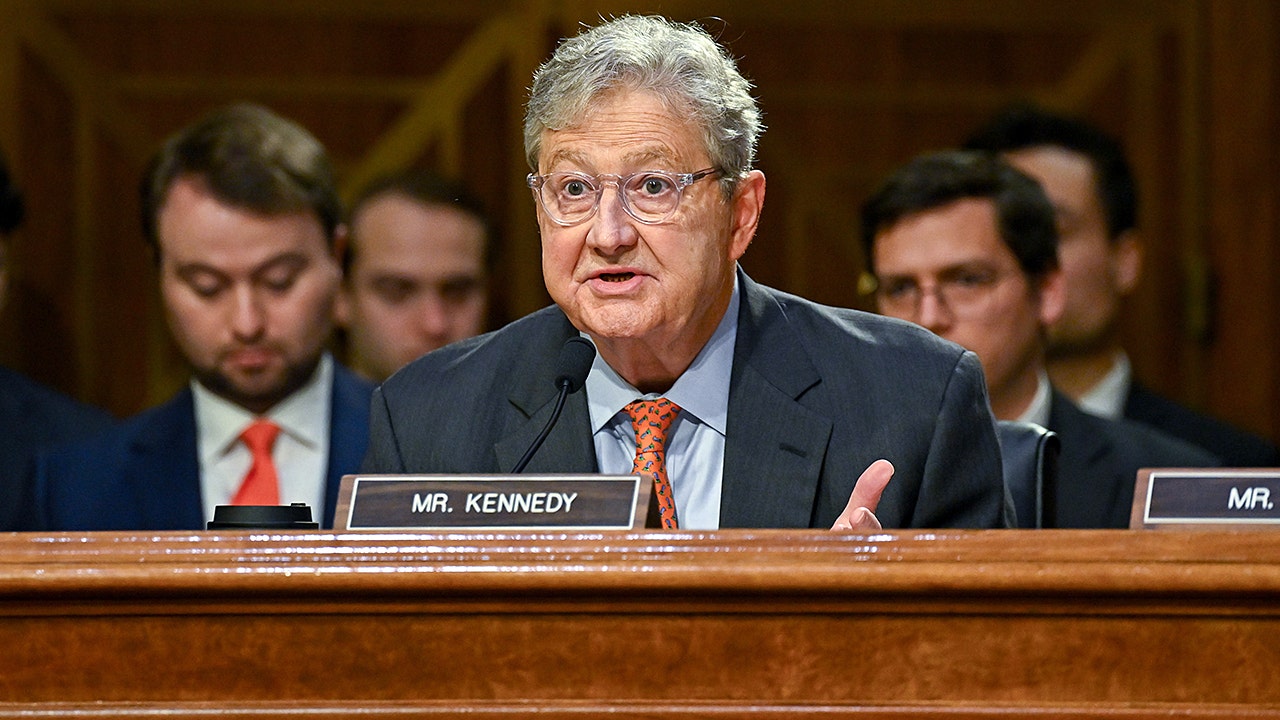

In a significant political move, Senator John Kennedy, a Republican from Louisiana, has proposed a new rule aimed at prohibiting the naming of public buildings after living officials. His remarks come in response to ongoing efforts by former President Donald Trump to rename prominent federal buildings in his own honor, including the famous Kennedy Center. Kennedy argues that using public funds for personal promotion undermines the integrity of public office and should be curtailed.
| Article Subheadings |
|---|
| 1) Overview of Kennedy’s Proposal |
| 2) Trump’s Renaming Efforts |
| 3) Legal Challenges to Trump’s Name |
| 4) Public Reactions and Implications |
| 5) The Future of Building Naming Policies |
Overview of Kennedy’s Proposal
In a recent appearance on CBS News’ “Face the Nation,” Senator John Kennedy articulated his viewpoint that currently serving public officials should not have buildings named after them. He contended that this policy would prevent the misuse of public funds as a personal advertising platform for politicians. With a tone of seriousness, Kennedy emphasized, “You can’t spend public money to promote yourself,” suggesting that it fosters a culture of self-promotion among public servants. This policy perspective emerges amid increasing discussions over ethics in public office, reflecting a growing concern regarding the integrity associated with political titles.
Trump’s Renaming Efforts
The backdrop to Kennedy’s proposal is a series of attempts by former President Donald Trump to have public buildings named in his honor. This includes specific efforts focused on the Kennedy Center itself, a major American cultural institution. Since regaining his position in the White House last year, Trump has repeatedly pushed for renaming initiatives, asserting a perceived right to have his name associated with such prominent structures. This has raised a significant debate over the propriety of such measures, especially given the public nature of the funds involved and the implications for how public spaces are governed.
Kennedy’s criticisms underscore a notable tension in American political discourse; the idea that personal ambition should not translate into public renaming practices has resonated with many observers. Trump’s visibility in media advertisements funded by the federal government adds to this contentious atmosphere, suggesting a blurring of lines between personal promotion and public service. Kennedy’s calls for a definitive rule against naming buildings after currently serving officials reflect a pushback against what he views as an inappropriate conflation of the two realms.
Legal Challenges to Trump’s Name
Efforts to name the Kennedy Center and other federal buildings after Trump have encountered substantial legal hurdles. Court rulings have indicated that the authority to rename federal institutions ultimately rests with Congress, thus limiting Trump’s personal initiatives. A recent development involved a federal judge ordering the removal of Trump’s name from the Kennedy Center, as there were concerns regarding the legality of the name change imposed during his term. This decision has highlighted the ongoing complexities surrounding public building naming rights and the potential conflicts arising from individual political desires.
The Kennedy Center board’s frantic attempts to retain Trump’s name amidst a court order showcase the narratives at play; it reflects a broader struggle over not only regional governance but also the ethical frameworks governing public entities. As cameras flashed capturing the controversial name affixation—now mandated for removal—it underscored the vital role of judicial oversight in determining the integrity of such decisions.
Public Reactions and Implications
Reactions from the public to Kennedy’s proposed rule and to Trump’s renaming endeavors have been mixed. Many citizens and political commentators welcomed Kennedy’s appeal, acknowledging the potential for corruption and self-interest to enter public service through such practices. On social media platforms, hashtags in favor of or against Kennedy’s proposal began trending shortly after his statements were broadcast, revealing a sharp division of opinions across political lines.
While some view Kennedy’s stance as a principled boundary against egregious displays of private self-promotion, others firmly believe that politicians have a right to seek historical recognition for their service. The debate encapsulates broader questions about legacy, public image, and ethical leadership in American politics. How society investigates these tensions may heavily reflect on future interactions between public service and personal branding, setting precedents for naming conventions across the country.
The Future of Building Naming Policies
As discussions surrounding Kennedy’s proposal gain traction, the future of building naming policies seems poised for reform. With public officials increasingly scrutinized over their actions and motivations, there is a palpable sense of urgency to establish clearer guidelines on how public spaces are honored. Should Kennedy’s rule gain support among lawmakers, it might inspire broader legislative changes designed to reinforce ethical governance in public office.
Moreover, as similar attempts arise, local and state governments might also reassess their policies regarding naming rights. The conversation could usher in a movement advocating for long-term delays on naming entities until after officials have left office, ensuring that evaluations of their service remain unaffected by personal aspirations for glorification or fame. This could lead to a more democratic and representative process in recognizing contributions to public life, while also detaching the notion of legacy from living political figures.
| No. | Key Points |
|---|---|
| 1 | Sen. John Kennedy proposes banning the naming of public buildings after living officials. |
| 2 | Trump’s efforts to rename federal buildings have met significant legal obstacles. |
| 3 | Public reactions to Kennedy’s proposals are divided across political lines. |
| 4 | The concept of using public funds for personal branding attracts criticism. |
| 5 | Future policies may arise that delay naming rights until officials complete their terms. |
Summary
The proposal by Senator John Kennedy to prohibit the naming of public buildings after living officials serves as a reflective commentary on the ethics of public service. His criticism of Donald Trump’s attempts to force his name onto prominent federal structures raises significant concerns about the integrity of public institutions. Engaging in this discussion opens up a much-needed dialogue regarding the appropriate boundaries of personal recognition in politics, potentially paving the way for reforms that prioritize accountability and ethical governance.
Frequently Asked Questions
Question: What is Senator Kennedy’s proposal about?
Senator Kennedy proposed banning the naming of public buildings after living officials to prevent the misuse of public funds for personal promotion.
Question: Why does Trump want buildings named after him?
Trump has expressed a desire to have federal buildings named after him as a form of personal identity and legacy, aimed at establishing his significance in American history.
Question: What legal challenges has Trump faced regarding renaming buildings?
Trump’s attempts to rename buildings have been blocked by federal judges who ruled that Congress holds the authority to change building names, negating his personal initiatives.
