

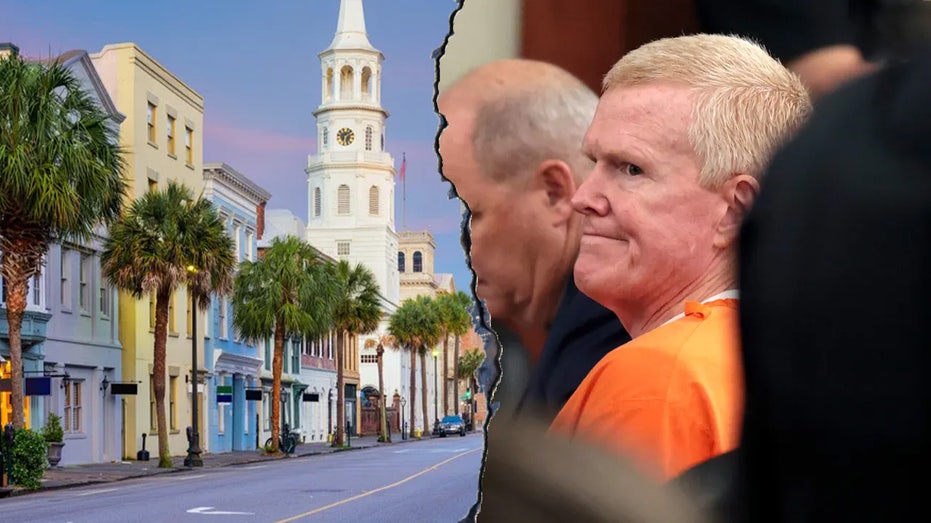

South Carolina prosecutors are urging a court to reject Alex Murdaugh’s request to move his planned retrial to Charleston County. In a filing submitted Wednesday, the state argued that Charleston would create serious logistical and financial difficulties for a proceeding of this scale. Murdaugh’s retrial is tentatively scheduled to begin in April 2027. The defense has cited extensive publicity, local ties and concerns about the integrity of the Colleton County courthouse.
The state said Charleston should not be treated as the only acceptable alternative venue and maintained that heavy news coverage alone does not automatically justify a transfer. Prosecutors identified Spartanburg, York and Florence as possible alternatives while opposing what they characterized as an inflexible demand for Charleston.
| 1) | Prosecutors challenge Charleston as the venue |
| 2) | Traffic, tourism and courtroom logistics drive the objection |
| 3) | The defense points to publicity and courthouse concerns |
| 4) | The state proposes other South Carolina counties |
| 5) | A pretrial hearing is expected before the retrial |
Prosecutors challenge Charleston as the venue
The state’s response was filed Wednesday as the court considers the defense request to relocate the case from Colleton County. Prosecutors described Charleston County as the most difficult county in South Carolina for managing a trial of this magnitude, despite its established industries, arts scene and tourism economy.
The dispute centers on whether Charleston is an appropriate location for a proceeding expected to attract jurors, witnesses, attorneys, media representatives and members of the public. The prosecution argues that a venue change should be based on practical and legal considerations rather than a requirement that Charleston be selected.
Traffic, tourism and courtroom logistics drive the objection
Prosecutors cited downtown Charleston’s existing traffic and parking problems, saying ordinary business-day conditions would become more difficult with the additional people connected to the trial. They also raised concerns about finding and paying for accommodations for participants and observers.
According to the filing, spring tourism and traffic associated with Masters week could cause hotel prices in the Charleston area to rise to more than double or triple the rates in comparable locations. The state also warned that spring storms and king tides can produce flooding that disrupts downtown operations. These conditions, prosecutors said, could make the trial more expensive and harder to administer.
The defense points to publicity and courthouse concerns
The defense originally sought a venue change because of the extensive attention surrounding the first trial. It has also cited deep-rooted family connections in the local area and alleged concerns about the integrity of the Colleton County courthouse following misconduct involving the county clerk of court.
The defense position is that moving the case is necessary to protect the fairness of the proceeding. Prosecutors disagree that Charleston is the only location capable of addressing those concerns, noting that the county immediately bordering Colleton County may not satisfy the purpose of distancing the trial from local influence and publicity.
The state proposes other South Carolina counties
Although prosecutors oppose making Charleston the mandatory destination, they said the state remains open to reasonable alternatives. Spartanburg, York and Florence were identified as counties that could potentially host the proceeding.
The alternatives reflect the state’s broader argument that venue selection should balance fairness, available facilities, travel demands and cost. Prosecutors also maintained that Murdaugh is not entitled to a transfer solely because the case has received substantial news coverage. The court will ultimately decide whether the defense has shown sufficient grounds for a change and, if so, where the case should be heard.
A pretrial hearing is expected before the retrial
Alex Murdaugh is expected to appear at a pretrial hearing at 10 a.m. Friday at the Lexington County Courthouse. The hearing is part of the continuing litigation ahead of the retrial, which is tentatively set for April 2027.
The proceedings will give the court an opportunity to address pending issues, including the venue dispute. Prosecuting attorney Creighton Waters has participated in earlier judicial hearings, while Judge Debra McCaslin is overseeing the current proceedings. No final decision on the requested Charleston venue was described in the state’s filing.
| Number | Key Point |
|---|---|
| 1 | Prosecutors oppose Charleston County as the required venue for the retrial. |
| 2 | The state cited traffic, parking, tourism, hotel costs and flood risks. |
| 3 | The defense has raised publicity, local ties and courthouse integrity concerns. |
| 4 | Spartanburg, York and Florence were offered as possible alternatives. |
| 5 | The retrial is tentatively scheduled for April 2027. |
Summary
The venue dispute places practical concerns alongside the defense’s arguments about impartiality and local influence. Prosecutors are willing to consider a transfer but oppose limiting the court to Charleston, citing the city’s congestion, seasonal costs and vulnerability to flooding. The court’s ruling will determine whether the retrial remains in Colleton County or moves to another South Carolina venue.
Frequently Asked Questions
Why does the defense want the retrial moved?
The defense has cited extensive publicity surrounding the first trial, local family ties and concerns about the integrity of the Colleton County courthouse after clerk of court misconduct allegations.
Why are prosecutors opposing Charleston?
Prosecutors say Charleston would present unusually difficult logistical and financial conditions because of downtown traffic, limited parking, seasonal tourism, elevated hotel prices, Masters week traffic and flooding risks.
What other venues did the state identify?
The state said it remains open to reasonable alternatives including Spartanburg, York and Florence.
When is the retrial expected to begin?
The retrial is tentatively scheduled for April 2027, subject to the court’s decisions on pending pretrial matters.
