

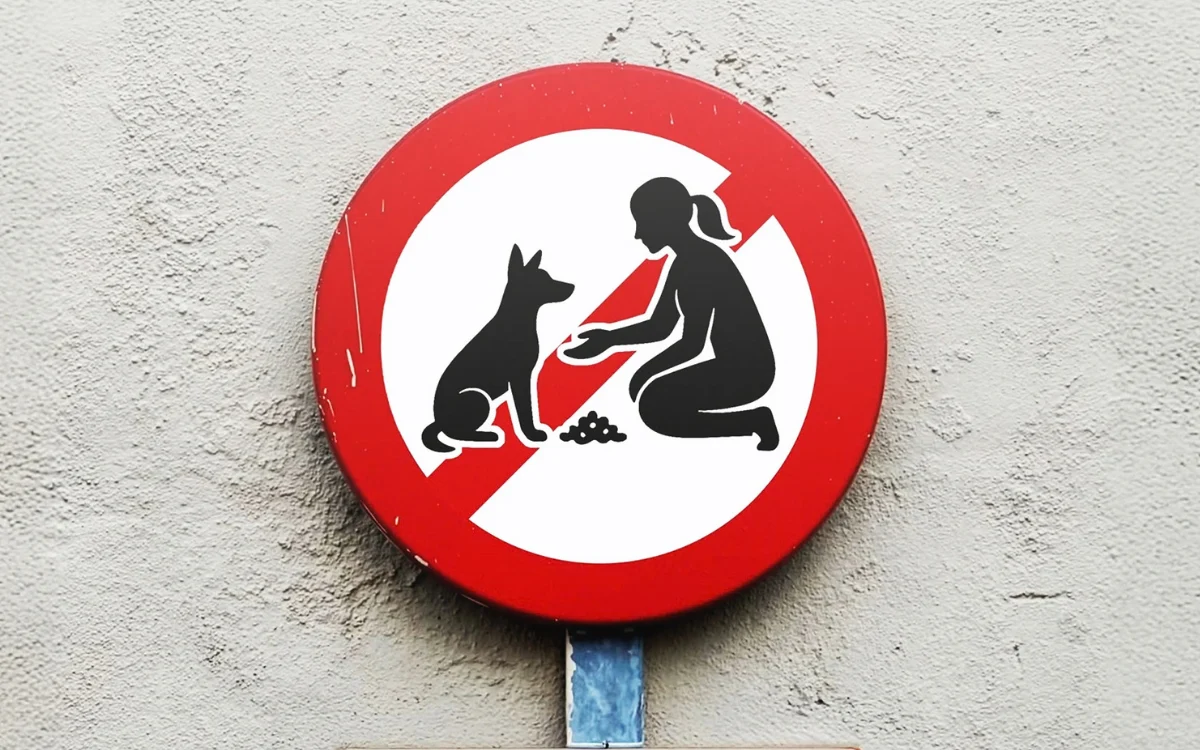

In a significant legal development, a court in Ankara has overturned a controversial ban enforced by the governor’s office that prohibited feeding street animals. The Ankara 23rd Administrative Court pronounced the ban unlawful following a lawsuit filed by the Animal Rights Federation (HAYTAP). This ruling has potential implications for animal welfare measures across Turkey, particularly as the nation grapples with its responsibilities under the revised Animal Protection Law.
| Article Subheadings |
|---|
| 1) Court Ruling Overturns Feeding Ban |
| 2) Regulatory Framework Suggested |
| 3) Balancing Animal Welfare and Public Safety |
| 4) Legislative Changes and Public Response |
| 5) Future Implications for Stray Animals |
Court Ruling Overturns Feeding Ban
On September 15, the Ankara 23rd Administrative Court rendered its decision to annul the blanket ban imposed by the Ankara Governor’s Office, which had prohibited the feeding of animals living on the streets. This case, initiated by the Animal Rights Federation (HAYTAP), argued that the prohibition not only lacked legal grounding but was also detrimental to animal welfare. The court’s ruling emphasized that the right to feed animals shouldn’t be summarily rescinded, particularly when no clear legal framework or alternative measures were put forth to monitor or replace such feeding activities.
The legal challenge arose after significant amendments were made in 2024 to the Animal Protection Law in Turkey, mandating municipalities to collect unowned stray animals and house them in shelters. This legislation sparked a series of restrictive measures across various provinces, leading to outright bans on feeding street animals, which attendants argued could exacerbate the already vulnerable state of these animals.
Regulatory Framework Suggested
In its ruling, the court proposed that instead of a blanket prohibition, there are viable regulatory measures that can be implemented. These measures include designating specific feeding locations, controlled feeding areas, and enforcing cleanliness and sanitation in these designated spots. The ruling highlighted that feeding could still occur, but under conditions that ensure public order and health are maintained.
The court stated that a more nuanced approach was needed, pointing out that a general ban lacks proportionality and practicality. Such a sweeping measure is not only ineffective but also potentially harmful to both community relationships and animal welfare. The court’s position on maintaining certain freedoms while introducing controls indicates a shift toward a more balanced agenda that considers both human and animal rights.
Balancing Animal Welfare and Public Safety
The ruling has underscored the importance of striking a fair balance between human safety and the welfare of street animals. The court stated that authorities should aim for a “reasonable and equitable” approach. HAYTAP welcomed the decision, emphasizing that regulation should replace bans and that civil society groups play a crucial role in safeguarding the interests of both animals and their human caretakers.
Members of HAYTAP stressed that this ruling sets a significant precedent, allowing them to challenge similar measures in other provinces, such as Afyon and Erzurum, where comparable bans were enacted. The federation indicated that it would vigorously pursue legal actions against these provincial regulations to ensure that animal welfare is upheld alongside human concerns.
Legislative Changes and Public Response
The backdrop to the court ruling is the controversial amendments to the Animal Protection Law adopted in 2024. These amendments obligate municipalities to detain stray dogs until they are adopted, a policy that many animal rights advocates have criticized as a “massacre law.” They argue that such legislation could lead to unnecessary suffering and even death among collected animals, raising ethical questions about the treatment of strays.
While the Interior Ministry reported that an overwhelming majority of stray animals have been collected, this statistic has drawn skepticism regarding its validity. Critics maintain that while the number of stray dogs has decreased, the ultimate fate of these animals remains unclear, especially as it appears that street cats have been largely unaffected by the municipal collection efforts thus far.
Future Implications for Stray Animals
Looking forward, the implications of this ruling could significantly influence animal welfare policies across the country. Advocacy groups like HAYTAP intend to continue their legal pursuits to challenge existing and potential restrictions on animal feeding and care. They have committed to using legal frameworks to ensure humane treatment of street animals, indicating that the struggle for animal rights in Turkey is far from over.
The court’s decision to strike down the feeding ban reflects a broader need for systematic reforms in how animal welfare is approached in municipalities across Turkey. Observers are keen to see how local authorities adjust their policies in light of this ruling, and whether public sentiment will increasingly support humane and balanced treatment of stray animals.
| No. | Key Points |
|---|---|
| 1 | Ankara court annulled the ban on feeding street animals. |
| 2 | HAYTAP filed the suit against the Governor’s Office. |
| 3 | Court suggested regulatory measures instead of outright bans. |
| 4 | The ruling aims to balance animal welfare with public safety. |
| 5 | Future policies on animal feeding and care will be influenced significantly. |
Summary
The recent court ruling to annul the feeding ban stands as a pivotal moment for animal rights in Turkey, emphasizing the importance of regulated support for animals over blanket prohibitions. As the legal landscape evolves, the actions of advocacy groups like HAYTAP will be crucial in ensuring humane treatment of stray animals. This trial serves as both a warning and a guideline for authorities, urging them to find sustainable solutions that respect both animal welfare and community safety.
Frequently Asked Questions
Question: What was the main issue with the feeding ban in Ankara?
The feeding ban was deemed unlawful and detrimental to animal welfare. The court found that such a blanket prohibition was incompatible with legal principles and failed to account for alternative regulatory measures.
Question: How did HAYTAP respond to the court ruling?
HAYTAP welcomed the ruling as a significant victory for animal welfare, indicating their intent to continue challenging similar bans in other provinces across Turkey.
Question: What are the implications of the 2024 amendments to the Animal Protection Law?
The amendments require municipalities to collect stray dogs and confine them to shelters, a move criticized by animal rights advocates as potentially harmful to the animals’ well-being.
