

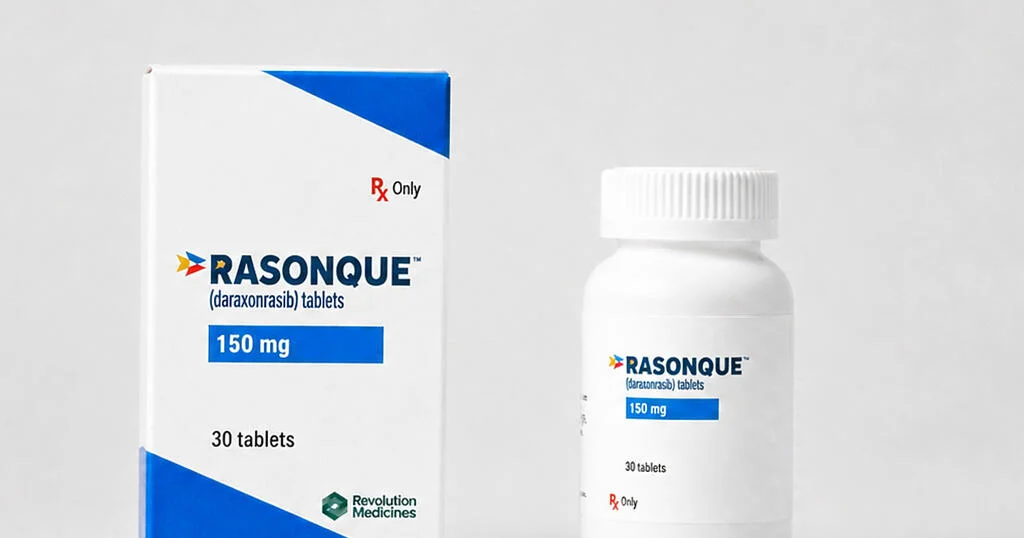

In a landmark achievement for cancer treatment, the Food and Drug Administration (FDA) has approved a new drug for advanced pancreatic cancer, a disease known for its high mortality rate and late detection. The oral medication, daraxonrasib, represents a significant breakthrough, targeting mutated proteins that contribute to tumor growth. With promising clinical trial results indicating doubled survival rates and tolerable side effects, this development offers hope for patients grappling with this aggressive cancer type.
| Article Subheadings |
|---|
| 1) Overview of the FDA Approval |
| 2) Details of the Clinical Trial |
| 3) Insights from Medical Experts |
| 4) Implications for Pancreatic Cancer Treatment |
| 5) Future Prospects for Drug Development |
Overview of the FDA Approval
On Wednesday, the FDA officially granted expedited approval for daraxonrasib, a pioneering oral drug that targets advanced pancreatic cancer. This type of cancer has historically been difficult to treat due to its late diagnosis and lack of effective treatment options. FDA officials expressed hope that this groundbreaking drug could change the landscape for patients facing this challenging illness.
Daraxonrasib is designed to inhibit the activity of a mutated protein involved in tumor growth, which is present in over 90% of pancreatic cancer cases. This mutation, known as RAS, has long resisted medical intervention, with scientists deeming it “undruggable” for the past four decades. The drug will be marketed under the brand name Rasonque by Revolution Medicines and will retail at approximately $39,800 for a one-month supply, a cost that raises questions about accessibility for many patients.
Details of the Clinical Trial
The approval of daraxonrasib follows promising results from a clinical trial that involved 500 participants diagnosed with metastatic pancreatic cancer. These patients had previously received chemotherapy treatment that was no longer effective. The trial involved random assignment of participants to receive either the new drug or standard chemotherapy regimens.
Results indicated that patients taking daraxonrasib experienced a promising increase in their median survival duration, averaging 13.2 months compared to just 6.7 months for those receiving traditional chemotherapy. Moreover, the drug exhibited a more favorable side effect profile, with reported issues including mild skin rashes and digestive discomfort, as opposed to the harsher effects commonly associated with chemotherapy.
Insights from Medical Experts
Medical professionals have expressed cautious optimism regarding the approval of daraxonrasib. Dr. Céline Gounder, a medical correspondent, noted that the late-stage diagnosis typical of pancreatic cancer has traditionally limited treatment options and outcomes. She emphasized the importance of targeting the RAS protein, stating,
“This is a pill that blocks a protein called RAS, and mutations in RAS drive around 90% of all pancreatic cancers.”
Dr. Andrew Coveler from the Fred Hutch Cancer Center highlighted the significance of this approval as one of the most anticipated in recent history, stating,
“This medicine is not a cure but a significant improvement.”
This sentiment underscores the hopes of many in the medical community that this treatment could significantly enhance patient quality of life.
Implications for Pancreatic Cancer Treatment
Pancreatic cancer remains one of the deadliest forms of cancer, with the American Cancer Society projecting approximately 67,000 new diagnoses and over 52,000 deaths from the disease in the U.S. in the current year. These figures reflect a dismal five-year survival rate of only 13%, highlighting the urgent need for effective treatment options.
Notably, Ben Sasse, a former U.S. senator who was diagnosed with stage-four pancreatic cancer last December, has publicly lauded the efficacy of daraxonrasib, referring to it as a “miracle drug.” He reported a significant reduction in pain and tumor volume following treatment, emphasizing the urgent need for such breakthroughs in the treatment of pancreatic cancer. His experience could serve as a motivational factor for ongoing research in this vital area of oncology.
Future Prospects for Drug Development
The FDA’s decision to approve daraxonrasib could have broader implications beyond pancreatic cancer treatment. This novel approach targeting the RAS gene family may pave the way for developing new drugs for other cancer types, as researchers explore similar mechanisms of action. Experts believe that this approval could inspire drug manufacturers to investigate similar strategies in treating various tumors.
Dr. Pashtoon Kasi from City of Hope Orange County noted the significance of the drug, stating,
“I think this has opened doors for many other companies.”
As molecular glue technology used in daraxonrasib has been effective in binding to multiple KRAS subtypes, it may lead to advancements in treatments for other malignancies.
| No. | Key Points |
|---|---|
| 1 | FDA has approved daraxonrasib, a new drug for advanced pancreatic cancer. |
| 2 | The drug targets the mutated RAS protein found in over 90% of pancreatic cancer cases. |
| 3 | Clinical trials showed that patients taking daraxonrasib had a median survival of 13.2 months. |
| 4 | Medical experts express cautious optimism about the drug’s potential impact. |
| 5 | This approval could inspire new approaches to treat other cancer types. |
Summary
The FDA’s approval of daraxonrasib marks a pivotal moment in the fight against pancreatic cancer, offering renewed hope to patients facing this challenging disease. With clinically validated improvements in survival rates and manageable side effects, this development may lead to more effective treatment pathways and inspire ongoing research into similar therapeutics for various cancers. As both patients and medical professionals reflect on this advancement, the focus now will shift towards implementing and expanding treatment options to further enhance outcomes for those affected by pancreatic cancer.
Frequently Asked Questions
Question: What is daraxonrasib?
Daraxonrasib is a newly approved oral medication designed to target mutations in the RAS protein, which is implicated in over 90% of pancreatic cancer cases, thereby providing a new treatment option for patients with advanced disease.
Question: How does daraxonrasib work?
The drug acts as a molecular glue that binds to multiple KRAS protein subtypes, blocking their function and thereby inhibiting tumor growth in pancreatic cancer patients.
Question: What has the response been from the medical community regarding this approval?
Medical experts have expressed cautious optimism, highlighting the potential of daraxonrasib to improve survival rates and the expectation that it may inspire further research into effective cancer treatments.
