


In a recent development surrounding the Trump administration’s immigration policy, internal U.S. government documents reveal that over a 10-day period, the administration deported more than 100 individuals from various nations, including Afghanistan, Cuba, and Nicaragua, to several African countries. These deportations are part of a broader “third country” deportation campaign that has intensified under the administration’s enforcement strategies. This report explores the controversial implications of these actions on both the deported individuals and the countries receiving them.
| Article Subheadings |
|---|
| 1) Overview of the Deportation Campaign |
| 2) Countries Involved in the Deportation Process |
| 3) Personal Impact on Deportees |
| 4) Reactions from Officials and Advocates |
| 5) Future Implications of the Policy |
Overview of the Deportation Campaign
The deportation efforts led by the Trump administration have increasingly targeted individuals from various countries and have employed an expanding network of agreements with “third countries.” Over a span of just ten days, internal government documentation has shown that three Immigration and Customs Enforcement (ICE) flights facilitated the expulsion of individuals to eight African nations, namely Burundi, Cameroon, the Central African Republic, Equatorial Guinea, Eswatini, Liberia, Rwanda, and Sierra Leone. This approach has sparked significant concern not only within the communities of those being deported but also among international human rights advocates.
These deportees include individuals from Afghanistan, Cuba, Nicaragua, and various nations in Africa, Iran, Nepal, Turkey, and Venezuela. Notably, the records indicate that none of the deportees were originally from the countries in which they were deposited, raising urgent humanitarian questions about the appropriateness and legality of such deportations. The documents underscore an aggressive strategy to enhance the deportation framework by establishing partnerships with countries that are willing to accept these individuals—often without regard to their ties or potential risks in those nations.
Countries Involved in the Deportation Process
The Trump administration has formed deportation agreements with a growing list of countries around the globe. Over 30 nations have consented to accept deported individuals from the U.S., including several in Latin America, such as Costa Rica, Panama, and Paraguay. Recently, a significant number of African nations have also engaged in these agreements, accommodating deportees, including the Central African Republic, Liberia, and Eswatini. Some such as Ghana and Sierra Leone have reportedly only accepted deportation of individuals originating from other parts of Africa.
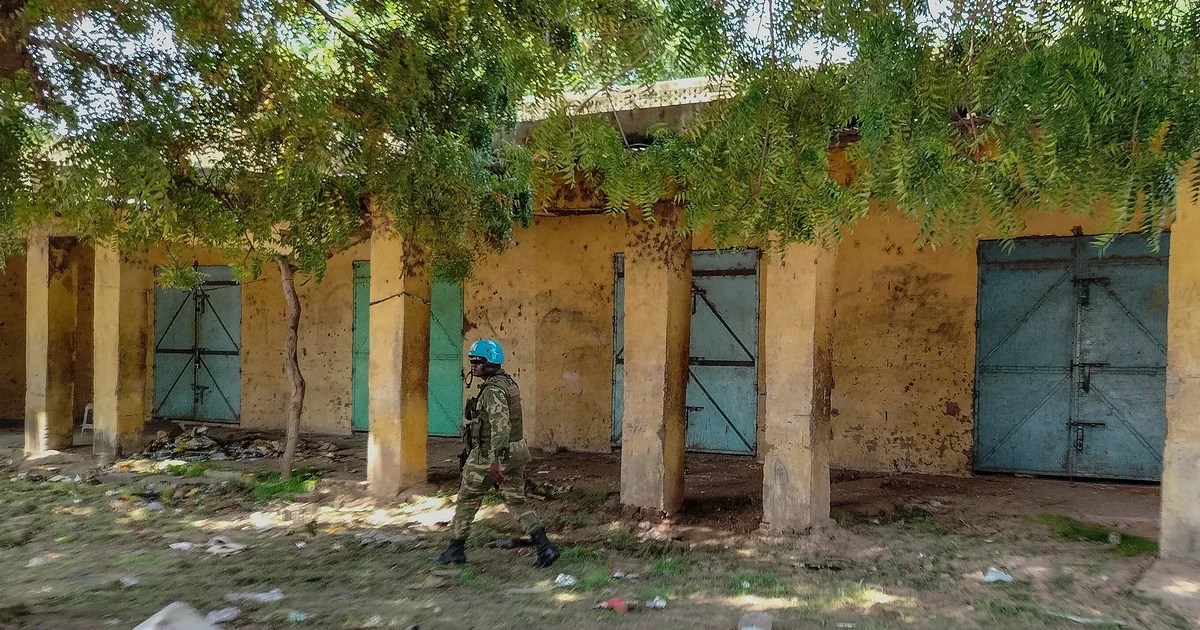
These third-country agreements have raised serious concerns due to the unstable political environments in many of these jurisdictions. Countries like the Central African Republic are plagued by continuous armed conflict and violence, which has prompted the U.S. State Department to issue warnings against travel to these regions due to security risks. The international response to these agreements remains largely clandestine, with many details about the negotiations hidden from public scrutiny.
Personal Impact on Deportees
The personal toll of these deportations becomes apparent through specific cases. One notable instance is that of an Afghan deportee, identified as Khalil. His situation reflects the broader implications of these policies. Rescued by U.S. forces from the Taliban, Khalil traveled to the U.S. seeking safety and legal status; however, he was eventually detained and faced deportation despite receiving provisional legal protection. This case exemplifies the precariousness of the rights of refugees under the current immigration policies.
Upon his identification and initial status of receiving “withholding of removal” in a U.S. immigration court, Khalil was denied asylum due to a Biden-era policy which requires asylum-seekers to have sought refuge in other countries before entering the U.S. This tragic example reveals the complex and often contradictory nature of current immigration law, where individuals who risk their lives to aid American interests abroad can find themselves returned to dangerous nations without proper consideration of the threat they face.
Reactions from Officials and Advocates
The reactions from officials highlight the contrasting views on these deportation practices. The Department of Homeland Security (DHS) emphasized that individuals facing deportation have the option to return voluntarily to their home countries with assistance provided by the government. “If an illegal alien chooses to file a claim in court refusing to go to their home country, we are required by law to find a safe and secure nation for them to go to,” noted a statement from DHS. This framing positions the deportation as a legal obligation while suggesting that the process yields a semblance of choice for those affected.
Human rights advocates, however, are alarmed by the implications of this policy for vulnerable populations. Concerns have been raised about the human rights records of the countries accepting these deportees. Advocates argue that these actions undermine the global refugee protection system and that this strategy is a de facto denial of asylum rights for those who may have substantive claims to protection.
Future Implications of the Policy
As the Trump administration continues to expand its deportation policy, the long-term consequences remain uncertain but troubling. With over 30 nations agreeing to accept deportees, and a significant focus on African nations, a pattern may emerge that allows the U.S. to sidestep its responsibilities to protect vulnerable populations. The increasing reliance on third-country deportations reflects a broader strategy to circumvent legal obligations under international refugee law, leading to fears of potential abuses and neglect.
The implications for future asylum seekers and refugees could be dire if the situation continues to shift towards more restrictive policies that lack transparency and accountability. Legal experts and human rights advocates will need to monitor the repercussions of these deportation agreements, particularly for those who may find themselves in imminent danger upon their return to unstable or hostile environments.
| No. | Key Points |
|---|---|
| 1 | The Trump administration’s deportation strategy includes sending individuals to third countries rather than their nations of origin. |
| 2 | Over 30 countries have accepted deportees from the U.S., many of whom have troubled histories regarding human rights and safety. |
| 3 | Individual cases, like that of Khalil, show the human cost and risks associated with these deportations. |
| 4 | Officials claim there is a system of choice for deportees, but many advocates argue this process puts lives at risk. |
| 5 | The future of asylum policies remains unclear, with potential increases in abuses if current trends continue. |
Summary
The deportation practices implemented by the Trump administration represent a significant shift in U.S. immigration policy, raising moral, ethical, and legal questions about the treatment of individuals fleeing persecution. The growing trend towards third-country deportation potentially threatens the integrity of the global refugee protection system. As these policies evolve, it is imperative for advocates and policymakers alike to ensure that the rights and safety of vulnerable populations remain a central concern.
Frequently Asked Questions
Question: What are third-country deportations?
Third-country deportations refer to the practice of deporting individuals not to their home countries, but to other nations that agree to accept them, often regardless of the individuals’ ties or safety in those countries.
Question: How many countries have agreements with the U.S. to accept deportees?
More than 30 countries worldwide have entered into agreements with the U.S. to accept deportees, including several in Africa and Latin America.
Question: What risks do deportees face in their third countries?
Deportees can face significant risks in third countries, including violence, persecution, and lack of access to legal protections or basic necessities, especially in nations with unstable government conditions.
