

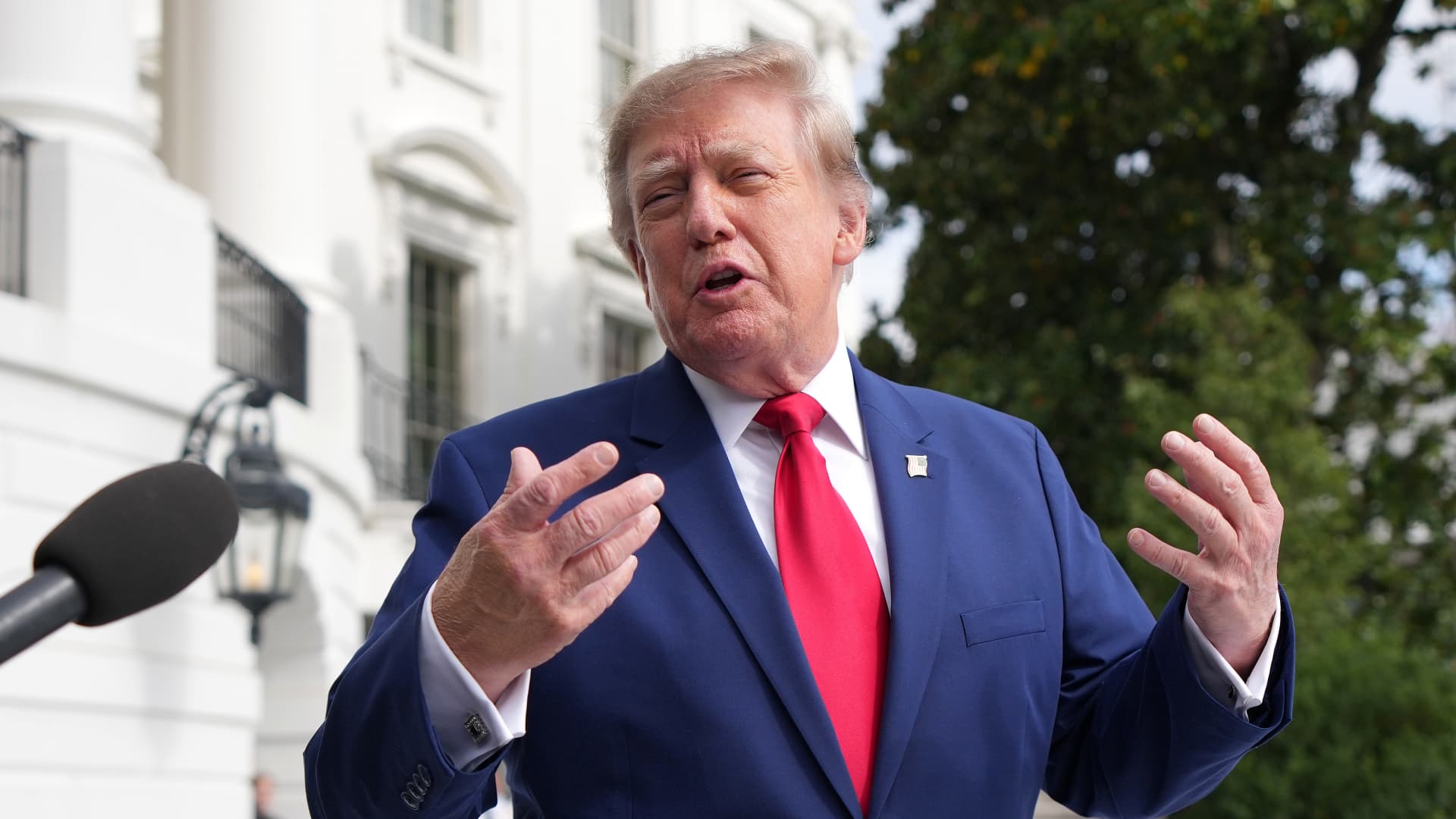

U.S. President Donald Trump addressed reporters on October 16, 2026, regarding the contentious restrictions imposed on Starlink satellite internet services crucial for Ukraine’s military operations. Ukrainian officials have alleged that SpaceX limited access to Starshield, a vital communication tool for their armed forces, without prior warning. This has ignited discussion about the responsibility for the restrictions, with both Trump and Elon Musk, CEO of SpaceX, denying direct involvement in the decision-making process.
| Article Subheadings |
|---|
| 1) Overview of the Starlink Restrictions |
| 2) Implications for Ukrainian Military Operations |
| 3) Breakdown of Responsibility and Responses |
| 4) International Reactions and Repercussions |
| 5) The Future of Starlink in Ukraine |
Overview of the Starlink Restrictions
The recent restrictions on Starlink satellite services represent a significant development in the ongoing conflict between Ukraine and Russia. Ukrainian officials reported that these limitations were imposed without any prior notification, leading to a decline in operational capabilities for their military. Starlink, which provides satellite internet access, has been pivotal for Ukraine’s forces, allowing for effective communication and coordination on the battlefield. The restrictions particularly affect the military-grade Starshield system, which is essential for operations involving drones and advanced military capabilities.
The allegations of restricted services surfaced when Ukrainian officials noted that the limitations had a severe impact on their ability to conduct key missions aimed at defending against intensified Russian attacks. With the reliability on Starlink for data gathering and communication growing, this sudden change has raised alarms not only in Ukraine but also among its allies who depend on this technology for military support.
Implications for Ukrainian Military Operations
The impact of the restrictions is far-reaching. Ukrainian forces have been relying on Starlink services extensively for various operations involving autonomous drones and other essential communications. Reports indicate that connectivity issues have impeded missions that necessitate high-speed data transmission, particularly for aerial vehicles traveling at speeds exceeding 160 kilometers per hour. The inability to communicate effectively complicates their military strategies, jeopardizing situational awareness and responsiveness during time-sensitive situations.
Furthermore, the loss of access to Starshield compromises not just operational efficacy but also the safety of civilians caught in conflict zones. By limiting the capabilities of drones that offer reconnaissance and real-time intelligence, the Ukrainian military faces challenges in protecting non-combatants from increasing Russian offensives. As the conflict escalates, the significance of having robust communication capabilities becomes even more pronounced, making the restrictions a critical concern for Ukraine and its allies.
Breakdown of Responsibility and Responses
In the wake of these discussions, the question of accountability has emerged, with both President Trump and Elon Musk denying direct involvement. Trump stated unequivocally that he did not order any restrictions, and Musk, in his own commentary, suggested that the systems themselves are under the control of the U.S. government. This leaves a convoluted trail of responsibility, clearly indicating a divide in communication between Pentagon advisors, military leadership, and tech providers.
As the narrative unfolds, there are conflicting reports regarding the origin of these restrictions. While some suggest that the directive came directly from the White House, others imply that Musk himself may have played a role in proposing the limitations. These layers of assertions highlight a broader issue of decision-making transparency between governmental and corporate entities, with the realities of battlefield operations caught in the middle.
International Reactions and Repercussions
International reactions to the Starlink restrictions have been swift and varied. Prominent figures, including Radoslaw Sikorski, Poland’s deputy prime minister, have criticized Musk’s involvement. Sikorski’s comments reflect a sentiment of being caught between a geopolitical struggle and corporate decisions that may affect military support. His public admonishment on social media raises concerns not only regarding the reliability of foreign aid but also regarding the potential for tech giants to interfere in international conflicts based on personal or political motivations.
Beyond criticisms, the restrictions may have tangible repercussions on Ukraine’s support from European allies. As nations like Poland have funded Starlink services for Ukraine, there is a growing unease about the reliability of such aid in light of recent events. The confidence in tech providers will be under scrutiny, emphasizing the need for more robust systems to ensure continued support without interruption.
The Future of Starlink in Ukraine
Looking forward, the future of Starlink services in Ukraine hangs in the balance. As military operations intensify, maintaining a reliable communication network will be paramount. The engagement of Musk as a tech advisor to the Pentagon connects the dots between government strategy and corporate interests, suggesting that future decisions may be influenced by broader military needs versus business concerns. With SpaceX set to release its quarterly results shortly, the company’s financial health and operational direction may also shape its commitment to maintaining services in Ukraine.
The ongoing situation urges stakeholders—government, military, and corporate—to recalibrate their communications and decision-making processes. Establishing clearer guidelines and ensuring swift responses to operational needs could help mitigate any future interruptions in service. As the geopolitical landscape shifts, the relationship between technology providers and military forces will undoubtedly become even more critical.
| No. | Key Points |
|---|---|
| 1 | The White House has been implicated in restricting Starlink services for Ukraine. |
| 2 | Ukrainian military operations have been significantly hindered due to these restrictions. |
| 3 | Elon Musk claims that Starshield services are controlled by the U.S. government. |
| 4 | International allies, including Poland, are scrutinizing Musk’s role in the situation. |
| 5 | The future of Starlink in Ukraine will depend on a recalibration of stakeholder communications. |
Summary
The controversy surrounding the restrictions on Starlink services underscores the complex interplay between technology, military operations, and international diplomacy. As Ukrainian forces grapple with diminished capabilities amid an ongoing conflict, the need for clear communication and accountability among all parties involved has never been more critical. In light of escalating tensions, the relationship between tech giants like SpaceX and military operations will require careful navigation to ensure continued support for Ukraine’s defense strategy.
Frequently Asked Questions
Question: What are Starlink and Starshield?
Starlink is a satellite internet service provided by SpaceX, while Starshield is a military-grade version designed specifically for military operations.
Question: How have the restrictions impacted Ukraine’s military operations?
The restrictions have significantly hindered Ukraine’s ability to carry out coordinated military missions, particularly those relying on high-speed drone communications.
Question: What role does Elon Musk play in the Starlink operations for Ukraine?
Elon Musk, as CEO of SpaceX, oversees the operations of Starlink; however, he also has ties to military advisory roles that complicate the decisions regarding service delivery and restrictions.
