

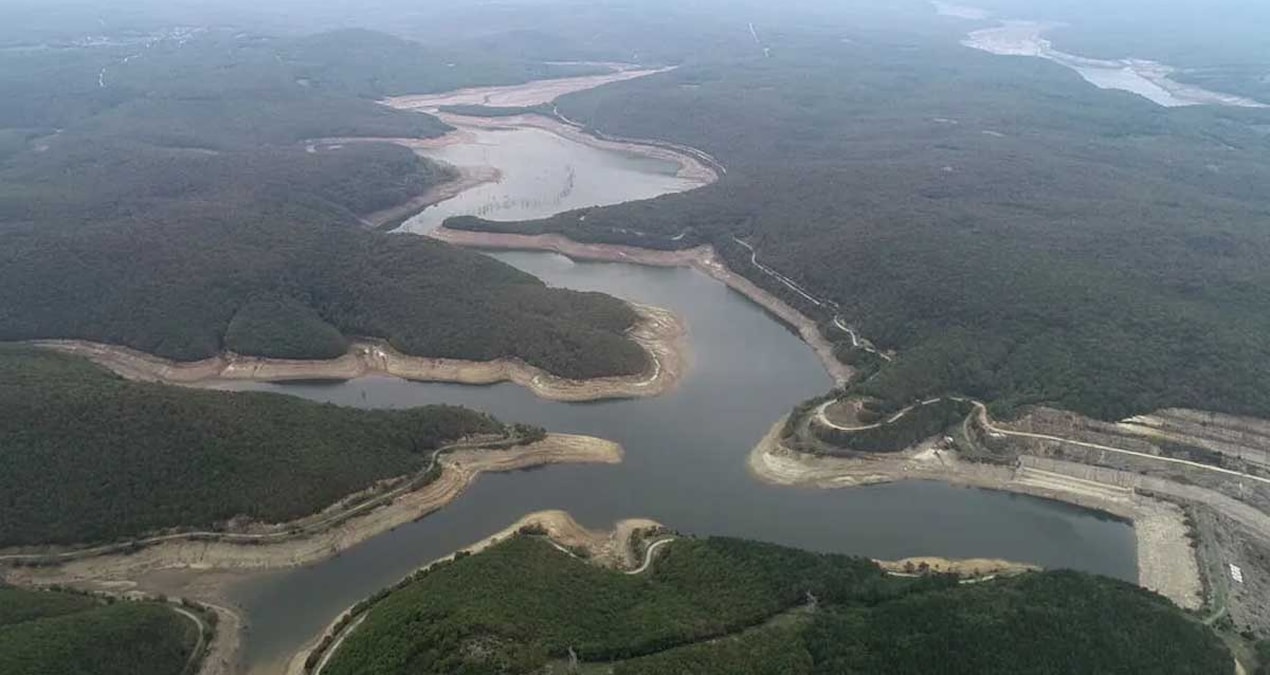

Recent heavy rainfall in Istanbul has significantly boosted the occupancy levels of local water supply dams, marking a rise of 14.37 percentage points within just four days. As reported by the Istanbul Water and Sewerage Administration (ISKI), the average occupancy rate surged to 52.43 percent from 38.06 percent, as rainfalls that began on October 13 continued into the following days. The precipitation has generated notable increases in water levels across various dams, with some reaching occupancy rates above 70 percent.
| Article Subheadings |
|---|
| 1) Impact of Recent Rainfall on Dam Levels |
| 2) Detailed Overview of Water Levels |
| 3) Historical Context of Water Supply |
| 4) Authorities’ Management Strategies |
| 5) Future Implications for Water Supply |
Impact of Recent Rainfall on Dam Levels
The recent torrential rains in Istanbul have triggered a remarkable uptick in the occupancy rates of water supply dams, which are crucial for the city’s water distribution system. Over the span of four days, the average occupancy rate rose from 38.06 percent to 52.43 percent, according to data released by ISKI. This rapid increase has provided a temporary relief from concerns over water shortages, especially in light of previous low levels that prompted worry among residents and officials alike.
The precipitation commenced on the evening of October 13, with its intensity peaking on October 14. This sequence of events has underscored the city’s dependence on natural water sources, revealing the vulnerability of urban infrastructure to varying weather patterns. Rainfall measurement has documented an impressive 876.61 kilograms of water per square meter falling on the dams throughout the year, amplifying the water levels at a critical juncture.
Detailed Overview of Water Levels
As of the latest report, occupancy levels across various dams are showing diverse statistics. For instance, the Istrancalar dam is enjoying a healthy occupancy rate of 70.48 percent. In contrast, Terkos and Sazlıdere dams reflect lower figures, at 36.67 percent and 30.95 percent, respectively. Alibey dam stands at 75.03 percent, while Büyükçekmece has only 30.18 percent of its capacity filled. These figures indicate not only the impact of recent rainfall but also historical trends of dam capacity utilization in the region.
Among the dams, Ömerli and Darlık have recorded occupancy levels of 66.62 percent and 75.75 percent, respectively, showcasing their resilience against water shortages. However, it is noteworthy that Pabuçdere and Kazandere remain perilously underperforming with occupancy rates at 3.58 percent and 8.08 percent. These disparities within the system call attention to the necessity for ongoing monitoring and strategic management to ensure equitable water distribution across Istanbul’s diverse neighborhoods.
Historical Context of Water Supply
ISKI has a storied history of managing Istanbul’s water supply needs, especially as the city continues to grow in population. The recorded dam occupancy rates illustrate significant fluctuations over recent years, which has drawn attention to the variables affecting water security. For instance, in years like 2016 and 2017, dam levels were happily reported at 41.35 percent and 52.66 percent respectively, but by 2022, they plummeted, with measures at just 21.29 percent, indicating a historical trend of concern for water management.
With the recent uptick in water levels, the current rate of 52.43 percent offers a glimpse of optimism. However, understanding the historical data allows officials to be proactive rather than reactive. Preparing for future dry years is essential to mitigate against any potential water crises in the densely populated metropolis, reinforcing the importance of long-term strategies for sustainable water management.
Authorities’ Management Strategies
In light of the evolving climate and the unpredictable nature of weather patterns, ISKI and relevant authorities are increasingly focused on innovative management strategies for water supply. These include implementing advanced monitoring technologies and predictive analytics to better forecast water availability and demand. The rise in occupancy levels will undoubtedly provide some much-needed respite, but it is coupled with the understanding that consistent management is essential to balance both low and high rainfall periods.
Of particular interest is the approach towards optimizing existing infrastructure to ensure efficiency in water distribution—both for residential areas and agricultural needs. Collaboration with environmental organizations and community stakeholders is also a critical component of long-term management, facilitating a collective effort to safeguard water resources amidst variable climatic conditions.
Future Implications for Water Supply
Looking ahead, the implications of fluctuating water levels in Istanbul’s dams could influence not just local water distribution strategies but also urban planning and sustainability initiatives. The recent rainfall, while a short-term solution, emphasizes the need for systematic investment in water conservation and infrastructure resilience. Planning for additional storage solutions or advanced treatment facilities may become necessary to handle both excessive rainfall and prolonged dry spells.
Moreover, public awareness campaigns may be essential in educating citizens about water conservation practices. The provision of adequate resources and education can empower communities to engage actively in protecting their water supply, thus enhancing cooperative management efforts. As water scarcity continues to challenge major urban centers worldwide, the situation in Istanbul serves as a critical case study in proactive adaptation and resilience-building for future unpredictability.
| No. | Key Points |
|---|---|
| 1 | Recent rains have increased the average dam occupancy rate in Istanbul from 38.06% to 52.43%. |
| 2 | Individual dam occupancy levels vary significantly, necessitating targeted management strategies. |
| 3 | ISKI reports historical fluctuations in water levels, underlining the need for sustainable management. |
| 4 | Authorities are implementing innovative management and monitoring strategies to optimize water distribution. |
| 5 | Future urban planning must focus on resilience against climate variability for sustainable water supply. |
Summary
The recent intense rainfall in Istanbul has provided temporary relief to its water supply situation, illustrating the city’s ongoing vulnerability to climate variability. This uptick in dam occupancy levels foregrounds significant issues surrounding sustainable water management. As authorities strategize to ensure the integrity and resilience of such vital resources, collaborative community efforts and continued infrastructure investment will be integral in safeguarding against future water crises.
Frequently Asked Questions
Question: How has recent rainfall affected Istanbul’s water supply?
The recent heavy rains have increased the average dam occupancy rate from 38.06% to 52.43%, significantly improving water supply levels across the city.
Question: What are the current occupancy rates for Istanbul’s dams?
Occupancy rates vary among the dams, with Istrancalar at 70.48%, Alibey at 75.03%, and others like Terkos and Sazlıdere showing rates of 36.67% and 30.95%, respectively.
Question: What steps are authorities taking to manage water supply?
Authorities are focusing on innovative management strategies, including advanced monitoring techniques and community engagement, to ensure efficient water distribution and address future demands.
