

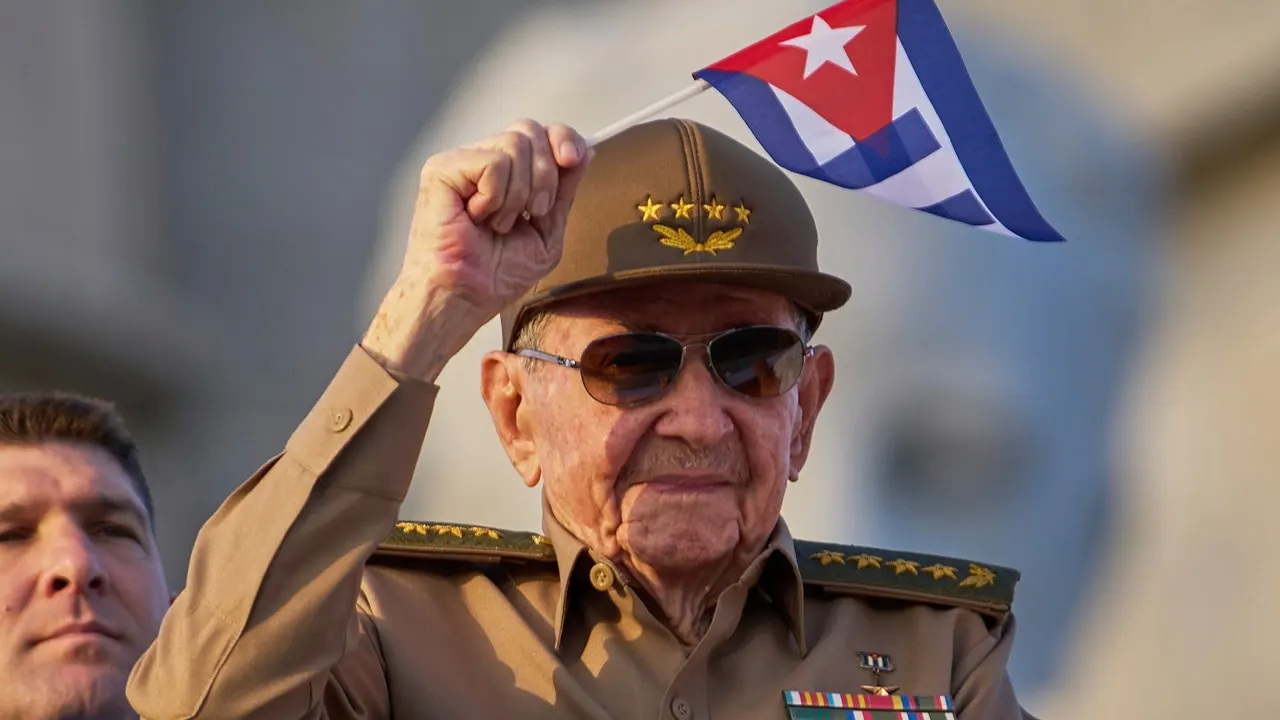

Former Cuban leader Raúl Castro is facing serious legal challenges in the United States following the issuance of a state arrest warrant by Florida authorities. The warrant alleges conspiracy to commit first-degree murder related to the 1996 shootdown of two unarmed civilian aircraft operated by the group Brothers to the Rescue, resulting in the deaths of four American pilots. This legal action, seen as a significant step toward accountability, has reinvigorated discussions surrounding Castro’s legacy and the Cuban government’s historical actions against dissidents.
| Article Subheadings |
|---|
| 1) Background of the Incident and Legal Context |
| 2) Details of the Arrest Warrant |
| 3) Implications for U.S.-Cuba Relations |
| 4) Reaction from Cuban Officials and the Community |
| 5) Next Steps and Potential Outcomes |
Background of the Incident and Legal Context
The Brothers to the Rescue incident dates back to February 24, 1996, when two unarmed aircraft belonging to this Miami-based organization were shot down by the Cuban military. The group was known for its humanitarian efforts to rescue Cuban migrants at sea and had increasingly taken on an anti-Castro stance during the early 1990s, conducting political activities like dropping pro-democracy leaflets over Cuba from their planes.
The shootdown resulted in the loss of four American lives: pilots Carlos Costa, Pablo Morales, Mario de la Peña, and Armando Alejandre Jr.. This tragic event escalated tensions between the United States and Cuba and prompted legal and political repercussions that have lingered for decades. While U.S. authorities have pursued justice for the victims, the Cuban government has consistently condemned the prosecution, asserting that the Brothers to the Rescue aircraft breached Cuban airspace and posed a threat to national sovereignty.
Details of the Arrest Warrant
The recently issued arrest warrant in Miami-Dade County categorizes Raúl Castro as a conspirator in the decision-making chain that led to the tragic shootdown. As per Florida Attorney General James Uthmeier, this no-bond charge underscores the seriousness of the allegations against the former leader. The language used in the warrant indicates that a judge found probable cause for the accusation of conspiracy to commit first-degree murder.
According to the warrant, specific evidence supposedly points to a structured plan executed by Castro’s regime, indicating that decisions regarding the shootdown came from the highest levels of command. The warrant states, “The investigation revealed evidence of a conspiracy to kill persons aboard BTTR aircraft,” which suggests that both Raúl Castro and his brother, the late Fidel Castro, were integral in sanctioning the attack. The warrant also highlights Castro’s recorded statements, in which he discussed military orders relating to defense measures against purported violations of Cuban airspace.
Implications for U.S.-Cuba Relations
The issuance of the arrest warrant may have significant implications for U.S.-Cuba diplomacy. The renewed focus on accountability for the 1996 shootdown resurrects longstanding grievances and could exacerbate existing tensions, complicating any diplomatic efforts made by the U.S. towards engagement with Havana. While some U.S. officials and advocates see this as a necessary step in confronting historical injustices, others are concerned that it may ignite already charged political sentiments on both sides of the strait.
Moving forward, this warrant could become a pivot point in U.S. policy concerning Cuba. Observers note that if the U.S. continues to prioritize military and human rights accountability in its dealings with Cuba, it may set a precedent for broader legal actions against individuals linked to the Castro regime and their historical actions. The complexities of navigating these sensitive issues will undoubtedly affect future relations between the two nations.
Reaction from Cuban Officials and the Community
Reactions to the warrant have been swift from both the Cuban government and the Miami-based Cuban-American community. Cuban officials have denounced the U.S. indictment as a continuation of an aggressive anti-Cuban policy driven by political motivations rather than genuine legal concerns. The Cuban government maintains that the actions taken against the Brothers to the Rescue were necessary measures to protect national sovereignty and that the organization violated international regulations.
Meanwhile, members of the Cuban-American community, particularly those who lost loved ones in the shootdown, have expressed feelings of vindication upon hearing the news of the warrant. Activist groups and families that have fought for justice since the incident view this legal action as a hopeful sign that accountability is achievable, even if it arrives years after the fact. They underscore the importance of recognizing the suffering imposed by the Cuban regime on its dissidents and emphasize the need for continued advocacy to hold accountable those responsible.
Next Steps and Potential Outcomes
The path forward for Raúl Castro in light of this arrest warrant remains uncertain. Should he be apprehended, Florida authorities have indicated that they will seek his extradition to face charges in the state. The arrest warrant further empowers local law enforcement to act in concert with federal agencies to track Castro’s movements, particularly if he attempts to travel outside Florida.
In practical terms, if Castro is arrested, the details of the legal proceedings will be closely monitored, as they may significantly impact both local and international perceptions of justice and accountability in the U.S.-Cuba relationship. Legal experts anticipate that any trial proceedings would delve deep into the historical context of the shootdown and the broader implications for U.S.-Cuban relations. Ultimately, the case could serve as a focal point for future discussions on actions taken by the Cuban government against political dissidents and the responsibilities of exiled leaders.
| No. | Key Points |
|---|---|
| 1 | Raúl Castro has been indicted on conspiracy charges related to the 1996 shootdown of civilian aircraft. |
| 2 | The warrant alleges a structured plan involving senior leaders of the Castro regime. |
| 3 | The incident significantly influenced U.S.-Cuba relations and has been a source of contention for decades. |
| 4 | Cuban officials claim the U.S. indictment is politically motivated and a rejection of Cuba’s sovereignty. |
| 5 | The case may shape future conversations about accountability for actions taken by Cuba against dissidents. |
Summary
In conclusion, the indictment of Raúl Castro marks a significant development in the search for justice relating to the 1996 Brothers to the Rescue incident. This legal action reflects ongoing efforts to hold historical figures accountable for their actions against political dissidents and raises critical questions about the future of U.S.-Cuba relations. The ramifications of this case are poised to reverberate within the Cuban-American community and may influence the legal landscape surrounding human rights violations. As the situation unfolds, it will be essential to monitor reactions from both governments and the impacted communities.
Frequently Asked Questions
Question: What was the Brothers to the Rescue incident?
The Brothers to the Rescue incident refers to the February 24, 1996, shootdown of two unarmed civilian aircraft by the Cuban military, resulting in the deaths of four American pilots. The organization was involved in search and rescue operations for Cuban migrants and had engaged in anti-Castro political activities.
Question: Why has Raúl Castro been indicted?
Raúl Castro has been indicted on conspiracy to commit first-degree murder related to the 1996 shootdown, indicating that he was part of the decision-making process behind the attack on the Brothers to the Rescue aircraft.
Question: How has the Cuban government reacted to the indictment?
Cuban officials have denounced the indictment as politically motivated and argue that their actions were legitimate defenses of national sovereignty against perceived violations by the Brothers to the Rescue organization.
