

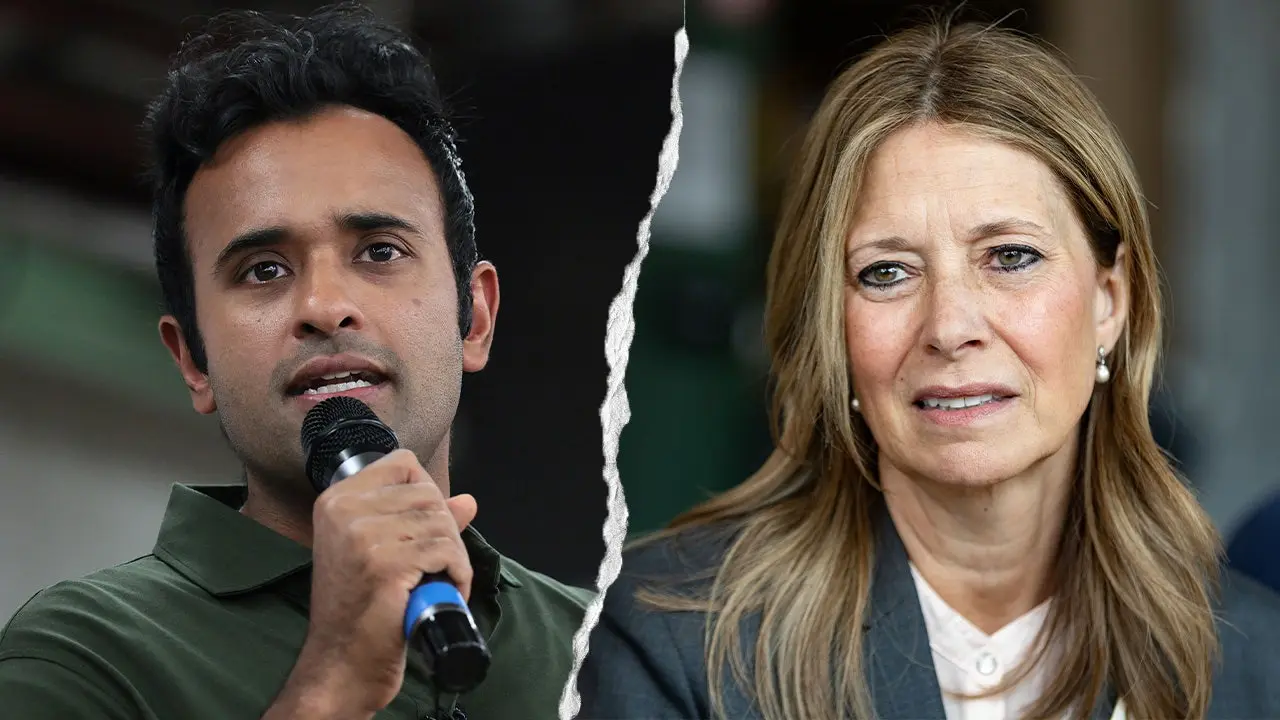

As the midterm elections approach, political advertisements have intensified, featuring increasingly aggressive and controversial content. Candidates are leveraging social media to amplify their messaging, resulting in a surge of concern over the divisive nature of modern campaigns. Prominent events, such as the resignation of Montana’s Democratic Party chair and differing views on key political issues, underscore the high stakes as factions within parties grow more pronounced.
| Article Subheadings |
|---|
| 1) The Rising Tensions Within Political Parties |
| 2) Legal Troubles for Key Democratic Figures |
| 3) Mudslinging in Local Elections |
| 4) The Role of Social Media in Political Campaigns |
| 5) Voter Engagement and Response to Campaign Strategies |
The Rising Tensions Within Political Parties
The resignation of the chairwoman of Montana’s Democratic Party, Shannon O’Brien, highlights growing tensions among party members. In an essay for MS NOW, she revealed that the party is facing unprecedented divisions not due to its core values, but because of the contentious race for the Senate seat. The outcome of this election is crucial as the victor is likely to influence the next appointment to the Supreme Court, amplifying the importance of each vote cast in this election cycle. O’Brien’s concerns shed light on the intra-party conflicts that threaten to undermine party unity, as members debate pivotal issues like abortion and economic policies.
Legal Troubles for Key Democratic Figures
In Virginia, Democratic state senator L. Louise Lucas has been indicted on serious federal charges including racketeering conspiracy and money laundering, tied to her co-ownership of a cannabis business. This legal battle has been a point of controversy, drawing national media attention and influencing public perception in an already charged political landscape. Despite the indictment, Lucas remains defiant, asserting,
“I grew up under Jim Crow. I’ve seen what happens when people in power try to silence those who stand up to them.”
Her statement reflects broader themes of resilience and accountability amid political scrutiny.
Mudslinging in Local Elections
The trend of negative campaigning is evident in races beyond just high-profile Senate seats. In Ohio’s gubernatorial contest, Vivek Ramaswamy has aired a contentious advertisement attacking his opponent, Amy Acton, by featuring an emotionally charged endorsement from Acton’s estranged mother. This advertisement, while eye-catching, has drawn significant backlash for its sensitivity and ethical implications, questioning whether such tactics are beneficial or detrimental to public discourse. Critics note that with an emotional backdrop involving Acton’s traumatic past, the ad serves to illuminate the lengths to which candidates will go to secure electoral victories regardless of moral undertones.
The Role of Social Media in Political Campaigns
The rise of social media has transformed the political advertising landscape, facilitating unprecedented levels of communication and interaction between candidates and voters. These platforms have enabled candidates to rapidly disseminate messages, increasing the reach of both promotional content and negative attacks. President Donald Trump has capitalized on this medium, framing the election as a personal battle that requires voters to consider every vote as a referendum not only on policies but on his administration as well. The increased use of social media is a double-edged sword; while it enhances engagement, it often leads to the spread of misinformation and amplified hostility, challenging the electorate to navigate a minefield of conflicting narratives.
Voter Engagement and Response to Campaign Strategies
As negative advertising escalates, a pertinent question arises—how will voters respond? Some may feel overwhelmed and disengaged by the barrage of mudslinging and hyperbole, leading to disenchantment with the electoral process. In races like the Texas gubernatorial contest, candidates often make bold claims without comprehensive substantiation, which can confuse voters who rely on factual information for their decisions. Fact-checking organizations have increasingly found discrepancies in advertisements, with candidates resorting to sensationalist narratives. The risk here is substantial—disillusioned voters may choose to abstain from voting altogether, undermining the democratic process.
| No. | Key Points |
|---|---|
| 1 | Political tensions are rising within parties, amplifying electoral stakes. |
| 2 | Legal issues affecting candidates can impact public opinion and electoral outcomes. |
| 3 | Negative advertisements are a tactic increasingly used in local elections. |
| 4 | Social media significantly shapes candidates’ communication strategies and voter perception. |
| 5 | Voter engagement may decline in response to overwhelming negative campaigning. |
Summary
The current political climate is characterized by rising tensions, aggressive campaigning, and significant legal challenges faced by key figures. As candidates prepare for upcoming elections, the prevalence of negative advertising and the impact of social media continue to redefine voter engagement. Each of these elements plays a critical role in shaping the political landscape, suggesting that the upcoming midterms could serve as a pivotal moment in U.S. politics.
Frequently Asked Questions
Question: Why are negative advertisements increasingly used in political campaigns?
Negative advertisements can capture voter attention more effectively than positive ones, often highlighting perceived threats and vulnerabilities in opponents. This strategy aims to sway undecided voters by creating doubt around the rival candidate.
Question: How does social media influence political campaigns?
Social media provides a platform for rapid dissemination of campaign messages, allowing candidates to engage directly with voters and bypass traditional media gatekeepers. However, it can also facilitate the spread of misinformation and polarized rhetoric.
Question: What impact do legal issues have on a candidate’s campaign?
Legal troubles can undermine a candidate’s credibility and lead to decreased public support. Depending on the severity of the charges, they can distract from campaign messages and sway voter perceptions negatively.
