


DOC NYC, the largest documentary film festival in America, returns to New York City for its 17th year, promising an exciting line-up of screenings and events. Kicking off on Wednesday, November 15, and running until November 19 in Manhattan, the festival will also provide online access until November 29. Featuring over 115 feature-length documentaries, many of which are premiering for the first time, DOC NYC highlights both critical social issues and artistic endeavors through a series of fascinating films and discussions.
| Article Subheadings |
|---|
| 1) Festival Overview and Duration |
| 2) Notable Films and Their Themes |
| 3) Social Issues Addressed in the Documentaries |
| 4) Profiles of Featured Personalities |
| 5) Background on Festival Venues and Accessibility |
Festival Overview and Duration
DOC NYC has established itself as a prominent platform for documentary filmmakers, showcasing some of the most urgent and thought-provoking works of the year. This year’s festival runs from November 15 to November 19 in New York City, with screenings held at select venues across Manhattan. Additionally, the festival offers online viewing options, allowing audiences worldwide to access selected films until November 29. By utilizing both physical and digital spaces, DOC NYC aims to engage a diverse audience, catering to both local film enthusiasts and international viewers.
Notable Films and Their Themes
This year’s festival features an impressive array of over 115 feature-length documentaries, many of which are making their world or U.S. premieres. The opening night film, “The Hummingbird Paints Fragrant Songs,” spotlights an Indigenous artist from the Peruvian Amazon who uses her art as a form of advocacy for her people and their environment. Notably, this documentary won the Best International Documentary award at the São Paulo International Film Festival, highlighting its critical acclaim and importance.
As the centerpiece of the festival, “Union Town,” directed by the renowned Barbara Kopple, delves into the narratives of workers across the U.S. fighting for better labor conditions. Kopple, a two-time Academy Award winner, brings her unflinching gaze on social justice to this film, which resonates deeply amid ongoing discussions about workers’ rights.
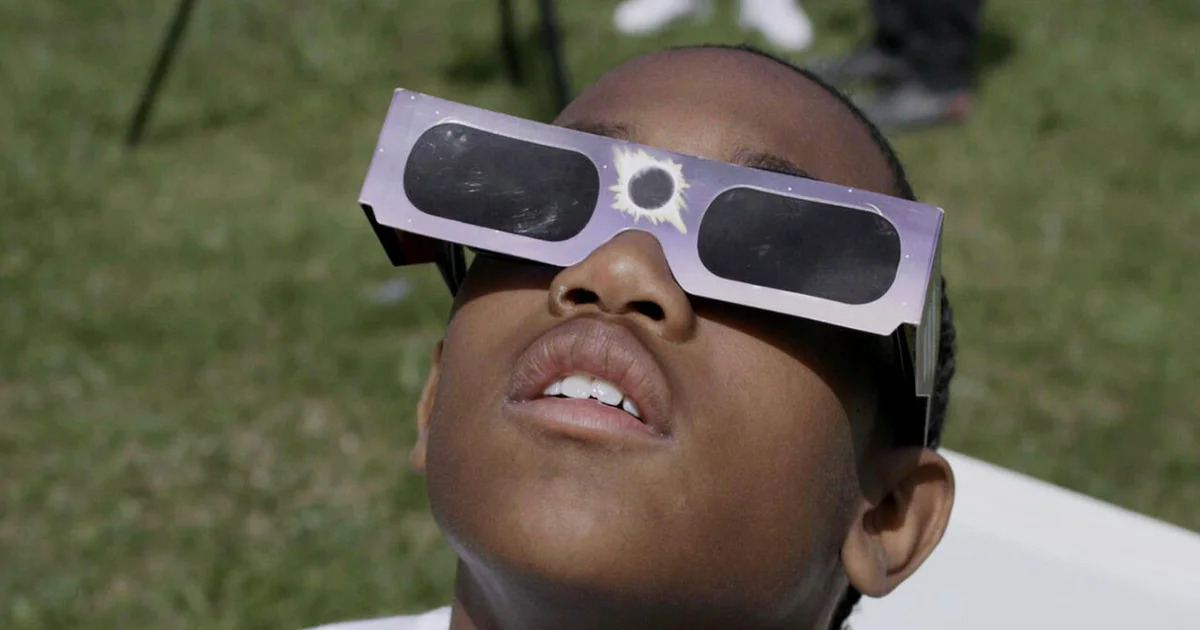
The festival is set to conclude with “Totality,” a cinematic exploration capturing the public’s experience during the anticipated 2024 solar eclipse. This film, documented by 21 different crews across the country, encapsulates a unique perspective on collective awe and scientific wonder, inviting viewers to reflect on their relationship with nature.
Social Issues Addressed in the Documentaries
Beyond the captivating stories, DOC NYC serves as a crucial platform for social commentary. Numerous films tackle pressing issues such as environmental degradation, social justice, and human rights. For instance, “Whiddy” recounts the impact of an oil terminal on a small Irish island, exploring the community’s responses to environmental catastrophe and industrial negligence. This documentary, supported by archival footage and insightful interviews, illustrates the far-reaching consequences of climate change and industrial development.
Similarly, the film “Zenón and the Rebel Boats” showcases the resistance of Puerto Rican fishermen against the U.S. Navy’s occupation of Vieques, highlighting themes of colonialism and activism. This courageous stand against larger forces echoes a recurring theme throughout the festival of individuals striving for dignity and community amidst adversity.
In the health domain, “The Slightest Touch” presents a touching narrative as Emma Fogarty, who has epidermolysis bullosa, teams up with actor Colin Farrell to complete the Dublin Marathon, symbolizing resilience and friendship. These narratives, intertwined with personal struggles, serve to humanize complex social issues, presenting them in ways that resonate with viewers on an emotional level.
Profiles of Featured Personalities
DOC NYC also highlights notable personalities through its diverse film selections. The festival engages audiences with stories that profile established artists and activists, providing insights into their creative processes and personal battles. For instance, the film “…And Damn, He Could Play: The Marcus Belgrave Story” chronicles the life of the influential jazz trumpeter whose career spanned over sixty years, emphasizing his profound impact on the music scene and his role as a mentor to young talent.
Additionally, “Let It Be, Let It Bleed: The Unlikely Rock n’ Roll Journey of Ethan Russell” shines a light on the singular experiences of a photographer who managed to capture iconic moments with legends like The Beatles and The Rolling Stones. Russell’s unique perspective provides a nostalgic view of rock history that appeals to both music aficionados and new audiences alike.
Such documentaries allow viewers to connect with these personalities on a deeper level, prompting discussions on their contributions to culture and society while revealing the personal sacrifices that come with public life.
Background on Festival Venues and Accessibility
DOC NYC creates an inclusive environment for attendees by hosting screenings at multiple venues such as the IFC Center, SVA Theatre, and Village East by Angelika. These locations are strategically chosen to allow easy access for diverse audiences, including those from different neighborhoods and backgrounds. By maintaining an online presence, the festival further ensures accessibility, enabling viewing options for those who may be unable to attend in person.
Ticketing options, including day passes, encourage participation across various demographics, fostering a communal space for film lovers to explore new perspectives and share experiences. The provision for online screenings also emphasizes the festival’s commitment to reaching audiences beyond geographical constraints, broadening its impact.
| No. | Key Points |
|---|---|
| 1 | DOC NYC returns for its 17th year, with screenings in Manhattan and online access. |
| 2 | The festival features over 115 documentaries, including several premieres. |
| 3 | Highlighted films address pressing social issues, including environmental concerns and labor rights. |
| 4 | The festival integrates personalities in the arts and activism, shedding light on their stories. |
| 5 | Accessibility efforts include multiple venues and online viewing options for a broader audience reach. |
Summary
In conclusion, DOC NYC not only serves as a prestigious platform for documentary filmmakers but also engages audiences in vital discussions surrounding societal issues, arts, and the human experience. By showcasing a medley of films that celebrate both individual stories and collective movements, DOC NYC reinforces the notion that documentary filmmaking can profoundly impact perceptions, foster empathy, and inspire action. As it continues to grow and adapt in its 17th edition, the festival proves to be a crucial event in the landscape of documentary cinema.
Frequently Asked Questions
Question: What types of films are featured at DOC NYC?
DOC NYC presents a wide range of feature-length documentaries that cover various themes, including social justice, environmental issues, art, and culture, offering both U.S. and world premieres.
Question: How can people attend DOC NYC screenings?
Attendees can participate in DOC NYC by purchasing tickets for in-person screenings at designated venues in Manhattan or accessing selected films online, making it accessible to a broader audience.
Question: Are there any workshops or discussions during the festival?
Yes, the DOC NYC Pro Conference includes panel discussions and workshops that allow attendees to gain insights into the nonfiction filmmaking process and distribution challenges from industry professionals.
