

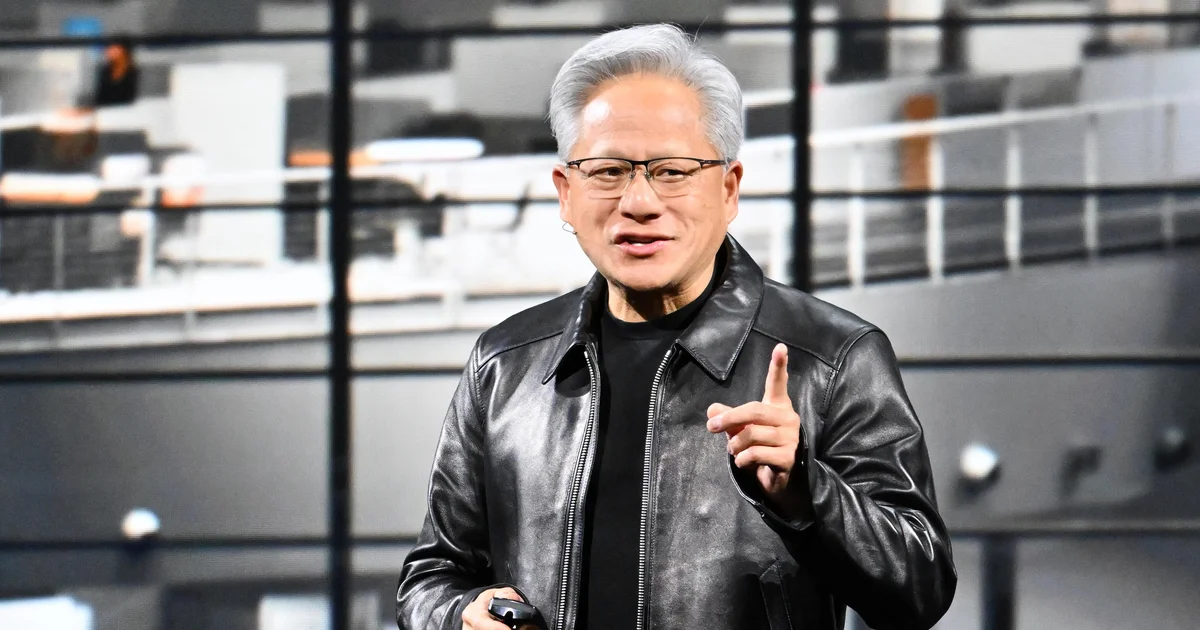

Nvidia, a leading chipmaker, is currently navigating a significant crisis involving its co-founder and CEO, Jensen Huang. The company faces serious scrutiny as Huang is embroiled in investigations regarding allegations of a personal affair with a female executive linked to a Chinese intelligence agency. This scandal has led to a staggering loss of 10% of Nvidia’s stock value, amounting to approximately $450 billion in just a few days, raising questions about the leadership’s future and the company’s direction amid increasing calls for corporate governance reform.
| Article Subheadings |
|---|
| 1) The Dilemma Facing Nvidia’s Leadership |
| 2) Shareholder Reactions to the Scandal |
| 3) Allegations Against Huang and their Implications |
| 4) The Importance of Succession Planning |
| 5) The Future of Nvidia and its Leadership |
The Dilemma Facing Nvidia’s Leadership
Nvidia’s board of directors is confronting an unprecedented scandal involving its revered co-founder, Jensen Huang. Over the past three decades, Huang has been integral to Nvidia’s identity and growth, steering it into becoming one of the most valuable tech companies globally. The unfolding drama surrounding his alleged extramarital affair with a former executive of a key Nvidia partner, purportedly linked to Chinese intelligence, poses a serious threat to his tenure and, by extension, to Nvidia’s market standing.
This turmoil has prompted intense scrutiny over Huang’s ethical conduct and its violation of corporate governance rules. With Huang at the helm, Nvidia’s stock has not only plummeted but has also exposed the heavy reliance on a single figure within a public corporation—a precarious situation compared to other tech giants that also lean heavily on their founder’s vision and leadership.
Shareholder Reactions to the Scandal
The reaction from Nvidia’s shareholders has been drastic, as the company’s share price has witnessed a dramatic decline of approximately 10% within just two trading days, translating to an estimated loss of $450 billion in market value. Such a steep drop highlights not only investor concern over Huang’s potential dismissal but also the inherent instability caused by the high dependency on one individual within the corporate structure.
Corporate governance expert, Shiva Rajgopal, points out that this situation mirrors challenges faced by other tech leaders, questioning what happens when a pivotal leader like Huang exits. The financial ecosystem is affected significantly when leadership transitions occur unexpectedly, and in Nvidia’s case, investors are left wondering about the company’s future valuation if its figurehead departs.
Allegations Against Huang and their Implications
Huang’s alleged relationship with Alice Huang, who has ties to the Singapore-based data center firm Megaspeed, raises substantial concerns regarding conflicts of interest. Nvidia’s code of conduct clearly outlines that personal relationships can create ethical dilemmas. The internal guidelines suggest that any actions that could not be publicly defended should be avoided altogether—a principle Huang himself acknowledged after admitting to being unfaithful to his wife in a company-wide message.
Experts assert that Huang’s conduct raises significant governance issues. Jay Aldebert, a governance consultant, emphasized that the situation can be interpreted as a violation of internal policies. Despite these implications, some speculate that the board may hesitate to dismiss Huang due to his critical role within the company and the ongoing advancements it leads in artificial intelligence and tech.
The Importance of Succession Planning
The cloud of uncertainty surrounding Huang’s leadership has shed light on the dire necessity for a succession plan within Nvidia. Currently, Huang’s control of the company extends to more than 60 direct reports, placing him at the nerve center of the organization’s decision-making processes. Such a highly centralized structure can pose considerable risks, especially if Huang is removed or resigns, leaving the company vulnerable to leadership gaps.
Experts such as David Yoffie from Harvard Business School highlight the precarious position Nvidia’s board finds itself in. The absence of a concrete successor could lead to detrimental outcomes for a company that is so heavily synonymous with Huang’s vision. The dialogue around potential candidates has begun to surface, considering figures like co-founder Chris Malachowsky and Chief Financial Officer Colette Kress as potential replacements, but no clear path has emerged as yet.
The Future of Nvidia and its Leadership
As Nvidia grapples with its internal challenges, leading industry analysts urge the company to establish a more transparent corporate culture and allow different leadership to showcase their capabilities. There is a call for increased representation of other leaders within Nvidia so investors can rebuild trust in the company and assure stakeholders of its stability and future direction without solely depending on Huang. Bob O’Donnell, an industry analyst, stated the significance of diversification of leadership communication during these uncertain times.
While Huang’s position currently remains secure, these recent events have ignited discussions about the balance between personal conduct and professional responsibility, especially in organizations deeply intertwined with the figure of their founder. The discussions around corporate governance and ethical standards in large tech firms are likely to gain momentum as Nvidia navigates these complex waters.
| No. | Key Points |
|---|---|
| 1 | Nvidia’s CEO, Jensen Huang, faces scrutiny over personal conduct linked to a potential conflict of interest. |
| 2 | Shareholders reacted negatively, witnessing a 10% drop in Nvidia’s stock value amid the ongoing investigations. |
| 3 | Nvidia’s code of conduct highlights ethical challenges stemming from Huang’s alleged affair with a linked executive. |
| 4 | The lack of a clear succession plan poses risks if Huang’s leadership is disrupted, HR experts warn. |
| 5 | The crisis raises broader questions about governance and ethical management in large tech firms. |
Summary
The current crisis surrounding Jensen Huang underscores the fragile nature of leadership in high-stakes environments like Nvidia where personal conduct can directly impact corporate health. The board’s challenge extends beyond simply managing a scandal to ensuring the company continues to thrive with ethical governance. As Nvidia moves forward, the urgency for a comprehensive succession plan and transparent corporate culture has never been more paramount, bringing to light the complex interaction of personal ethics and corporate governance.
Frequently Asked Questions
Question: What allegations are being investigated against Jensen Huang?
Jensen Huang is facing investigations into his alleged affair with a female executive linked to a Chinese intelligence agency, raising concerns about potential conflicts of interest.
Question: How have shareholders reacted to the news of Huang’s scandal?
Following the allegations, Nvidia’s stock plummeted by approximately 10%, erasing about $450 billion in market value, as shareholders expressed concerns over the implications for the company’s leadership.
Question: What governance issues have emerged from Huang’s situation?
Huang’s alleged conduct raises significant questions about Nvidia’s corporate governance, particularly regarding adherence to the company’s ethical standards and the necessity for the board to effectively handle such conflicts.
