

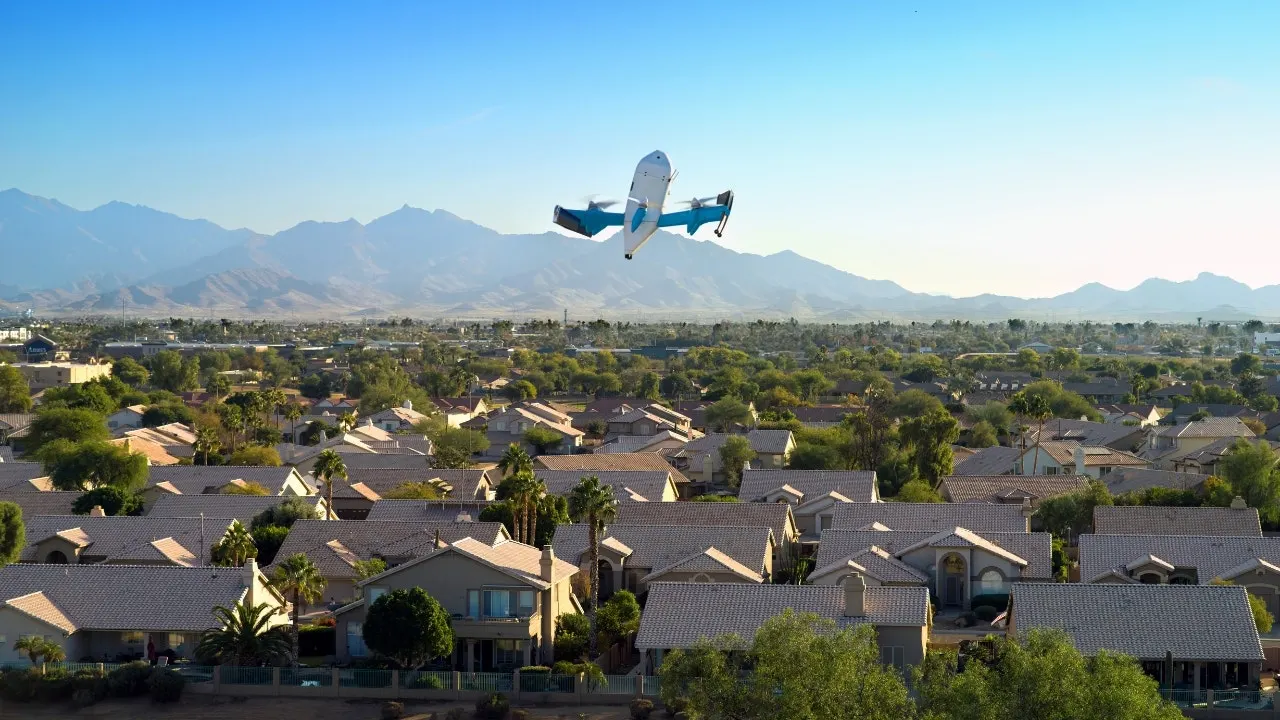

Amazon is set to dramatically expand its Prime Air drone delivery service, aiming to reach nearly 500 cities and towns across the United States by the end of 2026. This move could enable eligible consumers to receive their Amazon orders in as little as 30 minutes, revolutionizing the way deliveries are made and significantly reducing wait times for online shoppers. Currently operating in only 11 locations, this ambitious expansion highlights the growing trend of drone technology in logistics and delivery.
| Article Subheadings |
|---|
| 1) Current Status of Prime Air Drone Delivery |
| 2) Delivery Speed and Limitations |
| 3) Pricing Structure for Drone Deliveries |
| 4) Safety and Privacy Concerns |
| 5) Implications and Future of Drone Deliveries |
Current Status of Prime Air Drone Delivery
As it currently stands, Amazon’s Prime Air drone delivery system is operational in 11 locations covering ten metropolitan areas across the United States. The cities currently benefiting from this service include Phoenix, Tampa, Kansas City, Baton Rouge, Detroit, Omaha, Houston, Dallas, San Antonio, and Waco. Notably, Amazon has plans to expand to additional metro areas like Chicago, Syracuse, Cleveland, Atlanta, and Boise in the near future. This rapid expansion aims to ensure that Prime Air can reach approximately 30 million customers, reflecting the company’s commitment to streamlining the delivery process.
Despite this ambitious goal, homeowners in these areas may not see the drone delivery option immediately when shopping online. Delivery coverage can vary significantly depending on specific ZIP codes and addresses, and customers will be alerted to availability through the online checkout process. For those eager to utilize this service, it’s crucial to note that there is no need for a separate app—everything can be managed through the existing Amazon platform, simplifying the user experience.
Delivery Speed and Limitations
Amazon has promised that deliveries through Prime Air can be made in as little as 30 minutes. However, it is important to set realistic expectations; currently, most deliveries take about 60 minutes. This delivery model can effectively save time for customers needing immediate access to essential items, such as electronics or groceries. Amazon has stated that the drones can carry packages weighing up to 5 pounds, which covers more than 60 percent of their customers’ most frequently purchased items.
However, certain limitations exist. Drones will only deliver products that fit within a large shoebox, meaning larger items will remain unavailable for drone dispatch. Additionally, the efficiency of the delivery is contingent on various factors, including weather conditions and the surrounding environment. Drones require space for a safe landing and must navigate obstacles such as trees, power lines, and even swimming pools, posing challenges for deliveries in densely populated areas.
Pricing Structure for Drone Deliveries
When it comes to costs associated with drone delivery, Amazon has set a tiered pricing structure depending on a customer’s membership status. For Amazon Prime members, there is no delivery fee as long as the total order amounts to $50 or more. For smaller orders, Prime members incur a charge of $2.99. In contrast, customers who do not have a Prime membership will pay a flat rate of $4.99 for eligible drone deliveries.
This structure may entice customers to consider utilizing drone delivery, particularly during emergencies or time-sensitive situations. However, it raises an interesting question: as drone deliveries become commonplace, will consumers grow accustomed to instant gratification, or will they still consider it a luxury to expedite deliveries? The emergence of drone services may shift consumer expectations regarding wait times for deliveries and reshape shopping behavior.
Safety and Privacy Concerns
Safety and privacy represent two of the most significant concerns accompanying the rollout of drone delivery services. To address these issues, Amazon has achieved certification from the Federal Aviation Administration (FAA) under Part 135, the federal framework governing commercial drone operations. This certification enables Amazon to deliver packages beyond the operator’s visual line of sight, increasing the operational range of Prime Air deliveries.
Additionally, each drone is equipped with a Detect-and-Avoid system, continually scanning for any obstacles in the airspace during flight. The onboard cameras and sensors allow the drones to navigate safely, but concerns regarding privacy remain. Amazon reassures users that the drones neither track individuals nor record their movements. The drone processes camera data for navigation internally, negating the need for live surveillance by any individual.
Noise pollution is another concern that has led to community backlash against drone deliveries in various regions. Amazon claims that its drones produce less noise than idling delivery trucks, relying on comparisons to household noises like a low-running window fan. Nevertheless, as Prime Air seeks to expand, public sentiment regarding noise and the presence of drones will undeniably shape the success of this initiative.
Implications and Future of Drone Deliveries
Amazon’s ambitious goal of making drone deliveries commonplace across nearly 500 cities signifies a turning point in logistics and consumer expectations. Historically, Jeff Bezos first introduced the concept of 30-minute drone delivery over a decade ago, but continuous enhancements in drone technology and navigation systems have allowed them to reach a feasible point. Amazon aims to deliver half a billion packages annually through this service by the end of the decade.
Despite the potential benefits, Amazon faces competition from other major players in the market, including Walmart and DoorDash, both of which have already initiated plans to enhance their drone delivery capabilities. As consumers become more accustomed to drone deliveries, the notion of efficient and rapid service may soon become the standard expectation rather than the exception. There are pivotal opportunities for drone delivery services to integrate sustainably into the existing urban infrastructure.
Key Points
| No. | Key Points |
|---|---|
| 1 | Amazon plans to expand Prime Air drone delivery to nearly 500 U.S. cities by the end of 2026. |
| 2 | Drones can deliver packages weighing up to 5 pounds with most orders arriving within 60 minutes. |
| 3 | Pricing for drone delivery varies based on whether a customer is a Prime member. |
| 4 | Amazon holds FAA Part 135 certification, ensuring the safe operation of drone deliveries. |
| 5 | The success of drone deliveries hinges on public acceptance, safety, and price competitiveness. |
Summary
The expansion of Amazon’s Prime Air drone delivery service stands to change the landscape of e-commerce and consumer expectations significantly. With the promise of expedited delivery times and convenience, the service may profoundly impact shopping behaviors and delivery norms. However, it will require careful navigation of safety protocols, customer acceptance, and competitive pricing strategies to achieve long-term success.
Frequently Asked Questions
Question: What items can be delivered via Amazon’s drone service?
Amazon’s drones can carry packages that weigh up to 5 pounds. This typically encompasses a wide array of items including electronics, groceries, and small household products, provided they meet the size restrictions.
Question: How does Amazon ensure the safety of drone deliveries?
Amazon’s drones are equipped with a Detect-and-Avoid system that allows them to scan surrounding airspace for obstacles and make real-time decisions to avoid collisions during flight.
Question: What impacts will drone deliveries have on local communities?
While Amazon’s drone deliveries promise convenience, they may also lead to concerns over noise, privacy, and the integration of aerial vehicles into busy urban environments. Public sentiment will be crucial in determining how well these services are accepted.
