

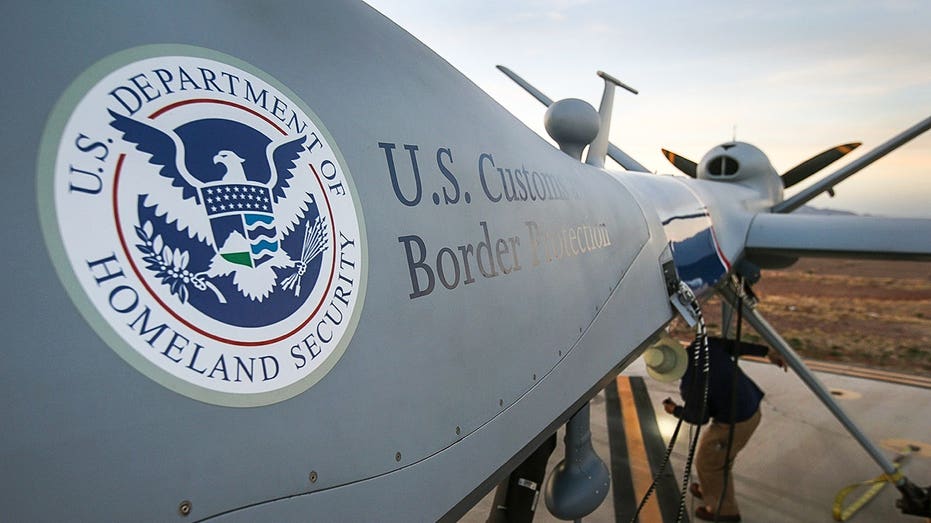

U.S. Customs and Border Protection has withdrawn from a 2022 Department of Homeland Security policy that allowed officials to solicit, accept and use private gifts for migrants held in federal custody. CBP Commissioner Rodney Scott said the authority was no longer necessary because encounters and apprehensions had fallen significantly. The decision took effect immediately and reflects the Trump administration’s tougher immigration enforcement approach.
| 1) | CBP withdraws from the DHS gift authority |
| 2) | The 2022 directive and its intended purpose |
| 3) | Why the policy was ended under the current administration |
| 4) | What the change means for care in CBP facilities |
| 5) | The separate status of ICE under the directive |
CBP withdraws from the DHS gift authority
CBP withdrew its participation in Department of Homeland Security Delegation 07107, Revision 1, through an internal memorandum signed by Commissioner Rodney Scott. The change became effective immediately and applies to CBP, the federal agency responsible for border enforcement and the processing of people encountered at the border.
The agency confirmed that it recently identified the directive and decided to rescind its participation. The order had permitted the CBP commissioner and the director of U.S. Immigration and Customs Enforcement to seek, receive and use gifts connected to the care of people held in their custody.
“This delegation order is no longer needed or appropriate.”
The 2022 directive and its intended purpose
The original delegation was signed on May 3, 2022, by then-Deputy Homeland Security Secretary John K. Tien. It gave senior officials at CBP and ICE authority to solicit specific donations for the care of migrants held at Border Patrol facilities and ICE field offices.
According to Scott’s memorandum, CBP sought the authority because of the elevated number of people being encountered, processed and held in its facilities at that time. The mechanism allowed private contributions to supplement care-related resources while individuals remained in federal custody.
Why the policy was ended under the current administration
Scott said the policy no longer matched conditions at the border or the administration’s enforcement priorities. He cited a significant decline in encounters and apprehensions, arguing that CBP no longer required private donations or gifts for distribution to migrants in custody.
The commissioner also said the arrangement did not align with the Trump administration’s strengthened enforcement posture and related presidential actions. The withdrawal therefore addresses both operational needs and a broader policy shift at the federal border agency.
“With the significant decrease in encounters and apprehensions, CBP no longer requires private donations or gifts for distribution to aliens in custody.”
What the change means for care in CBP facilities
CBP said ending its participation does not eliminate its responsibility to provide care to people in its custody. Instead, the agency will rely on its regular federal appropriations to fund those services and supplies.
Scott wrote that CBP would continue providing care through normal appropriations. The memorandum does not identify a specific reduction in services, staffing or facility operations, and it does not state that previously accepted gifts will be returned or discontinued beyond the agency’s withdrawal from the delegation.
The separate status of ICE under the directive
The withdrawal applies specifically to CBP. Scott’s memorandum does not say that ICE has also been removed from the DHS delegation, leaving the status of the policy at that agency unresolved in the available information.
ICE is a separate DHS component responsible for immigration enforcement and detention operations away from the border. Because the memo addresses only CBP, any decision by ICE to retain or end its authority would require separate action or clarification from that agency or the department.
| Number | Key Point |
|---|---|
| 1 | CBP immediately withdrew from DHS Delegation 07107, Revision 1. |
| 2 | The 2022 policy authorized private gifts for care-related needs involving people in federal custody. |
| 3 | CBP cited lower encounters and apprehensions as a reason for ending its participation. |
| 4 | The agency said care will continue through regular federal appropriations. |
| 5 | The memorandum does not state whether ICE has withdrawn from the same authority. |
Summary
CBP has ended its participation in a Biden-era DHS policy allowing private donations for migrants in federal custody. The agency attributed the move to reduced border activity and the Trump administration’s strengthened enforcement posture. CBP said normal appropriations will continue to support care, while the policy’s status at ICE remains unclear.
Frequently Asked Questions
What policy did CBP end?
CBP withdrew from a 2022 DHS delegation that authorized officials to solicit, accept and use private gifts related to the care of migrants in federal custody.
Why did CBP withdraw from the policy?
Commissioner Rodney Scott cited a significant decrease in encounters and apprehensions and said the policy no longer fit the administration’s enforcement approach.
Will people in CBP custody continue receiving care?
Yes. CBP said it will continue providing care through its normal federal appropriations rather than relying on private donations or gifts.
Did ICE also end its participation?
The available memorandum addresses CBP only and does not state that ICE has been removed from the DHS policy.
