

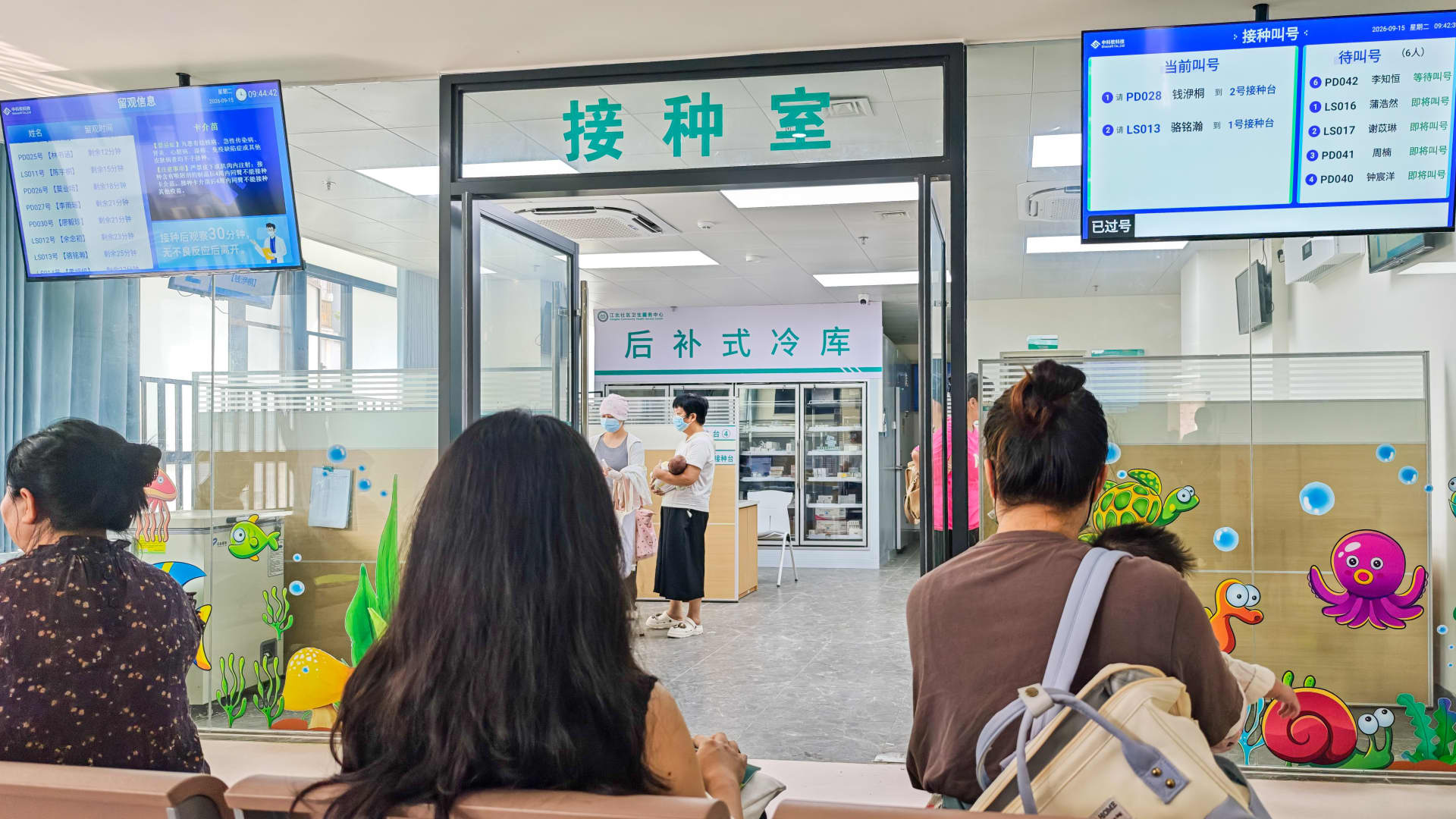

A recent report from the International Monetary Fund (IMF) highlights the significant impact of high healthcare costs on consumer behavior in China. As residents, both in urban and rural areas, grapple with healthcare expenditures, many are choosing to save rather than spend their disposable income. The findings reveal stark disparities in healthcare-related spending and disposable income between China and other major economies, especially the United States, prompting calls for increased government spending on health and social security to stimulate consumption.
| Article Subheadings |
|---|
| 1) Impact of High Healthcare Costs on Savings |
| 2) Comparison of Healthcare Spending: Urban vs. Rural |
| 3) Disparities in Disposable Income |
| 4) Recommendations for Increased Government Spending |
| 5) Effects of Declining House Prices on Consumption |
Impact of High Healthcare Costs on Savings
The rising costs of healthcare are influencing economic behavior across China, compelling many to adopt a more conservative financial approach. According to the new IMF report titled “Toward a New Economic Growth Model for China,” the burden of healthcare expenses is prompting both children and adults to prioritize savings over spending. In rural China, healthcare costs absorb approximately 8.7% of disposable income, making it the second-highest globally after the United States, where this figure is nearly 9.9%. This significant financial strain reflects a broader trend in which individuals and families are increasingly hesitant to make discretionary purchases, fearing the necessity of healthcare expenses.
As the report underscores, this behavior is rooted in a landscape of high healthcare costs that is accentuated by relatively low levels of social safety net support. With many individuals prioritizing their savings, the anticipated consumer spending that could contribute to economic growth is hampered.
“China’s social spending is low compared with international peers,”
the report notes, indicating that enhancements to social security and health spending could unlock greater consumption levels. Thus, addressing healthcare affordability could catalyze a shift in economic activity that favors spending.
Comparison of Healthcare Spending: Urban vs. Rural
The dichotomy between urban and rural healthcare spending is stark, as revealed by the IMF’s analysis. Urban populations in China allocate around 5.4% of their disposable income to healthcare, which is slightly more than Canada. Meanwhile, rural residents—whose financial conditions are usually less favorable—bear a higher percentage of their disposable income on health-related expenses. This discrepancy illuminates the challenges faced by those in less developed regions of the country, where healthcare accessibility and quality may significantly differ.
Despite the lower percentage of disposable income spent on healthcare in urban areas, a fundamental disparity exists in the overall access to healthcare services and quality of life. Urban residents tend to benefit from better healthcare facilities, services, and government intervention, while those in rural regions must navigate a system that often limits their options. Yizhi Xu, an economist from the IMF’s Asia and Pacific Department, alongside Fan Zhang, points out that targeted government measures aimed at increasing healthcare investment in rural areas could significantly ameliorate this situation.
Disparities in Disposable Income
Further complicating the healthcare spending landscape is the disparity in disposable incomes between urban and rural populations. Recent figures revealed that urban residents reportedly had a per capita disposable income of 56,502 yuan, while rural residents averaged only about 24,456 yuan. This disparity highlights the reality that urban China’s wealth far outstrips that of rural areas, contributing to growing discrepancies in health and wellbeing across the nation.
The implications of such economic divides are vast; lower disposable incomes in rural areas often correlate with reduced healthcare options and poorer health outcomes. In contrast, those in urban centers can better navigate healthcare costs and access premium services. This imbalance not only diminishes the overall economic potential of rural households but also sustains a cycle of financial hardship that limits their ability to invest in their health and welfare.
Recommendations for Increased Government Spending
The IMF report strongly advocates for augmented government spending on healthcare and social security, particularly in rural China. Enhancing funding in these critical areas could substantially alleviate the financial burden of healthcare expenses on lower-income households. By providing essential support to rural residents, the government could potentially reduce the savings rates currently observed in these communities.
As noted by the IMF analysts, rural residents who work in urban settings exhibit a savings rate of around 14%, contrasted with the significantly lower 6% for their urban counterparts with “hukou” residency rights. The latter group has access to more extensive social welfare benefits. This indicates the potential positive effect of targeted spending, which might encourage consumption and generate economic activity in rural communities that have yet to recover from years of poverty. An investment in health and social security could prove beneficial not only socially but also economically as it enhances consumer confidence and spending.
Effects of Declining House Prices on Consumption
Moreover, the report links the current economic climate to declining house prices, which further pressures consumer spending. As housing prices have fluctuated downwards in recent years, many homeowners are feeling uncertain about their financial stability. This insecurity contributes to higher savings rates as families brace for potential economic hardships.
“Declining house prices in recent years continue to weigh on consumption and contribute to elevated household savings,”
the authors assert, highlighting how a multifaceted approach is necessary to nurture an environment conducive to spending.
In conclusion, the compounded effects of high healthcare costs, economic disparity, and fluctuating housing markets create a complex landscape for consumer behavior in China. Addressing these factors through cohesive policy interventions will be crucial for revitalizing consumption patterns and promoting economic stability moving forward.
| No. | Key Points |
|---|---|
| 1 | High healthcare costs are compelling consumers in China to prioritize savings over spending. |
| 2 | Rural residents allocate a higher percentage of their disposable income to healthcare than urban populations. |
| 3 | Significant disparities in disposable income exist, with urban households reporting significantly higher earnings. |
| 4 | The IMF advocates for increased government spending on health and social security to stimulate consumption in rural areas. |
| 5 | Declining house prices contribute to heightened consumer savings and concern about economic stability. |
Summary
In summary, the challenges posed by high healthcare costs and economic disparities between urban and rural China require urgent attention. The findings from the IMF provide a roadmap for policymakers—highlighting the need for enhanced government spending on healthcare and social security to rejuvenate consumption and promote economic growth. As China navigates these issues, implementing targeted strategies to address both health access and economic inequality will be vital for fostering sustainable development and societal wellbeing.
Frequently Asked Questions
Question: What are the healthcare spending statistics in rural China?
Rural China spends approximately 8.7% of its disposable income on healthcare, which is the second highest globally, behind the United States.
Question: How do disposable incomes compare between urban and rural residents in China?
Urban residents have a significantly higher disposable income, averaging around 56,502 yuan per capita, compared to only about 24,456 yuan for rural residents.
Question: Why is the IMF calling for increased government spending in China?
The IMF advocates for increased government spending on healthcare and social security to alleviate financial burdens on low-income households, particularly in rural areas, thereby fostering greater consumer expenditure and stimulating economic growth.
