

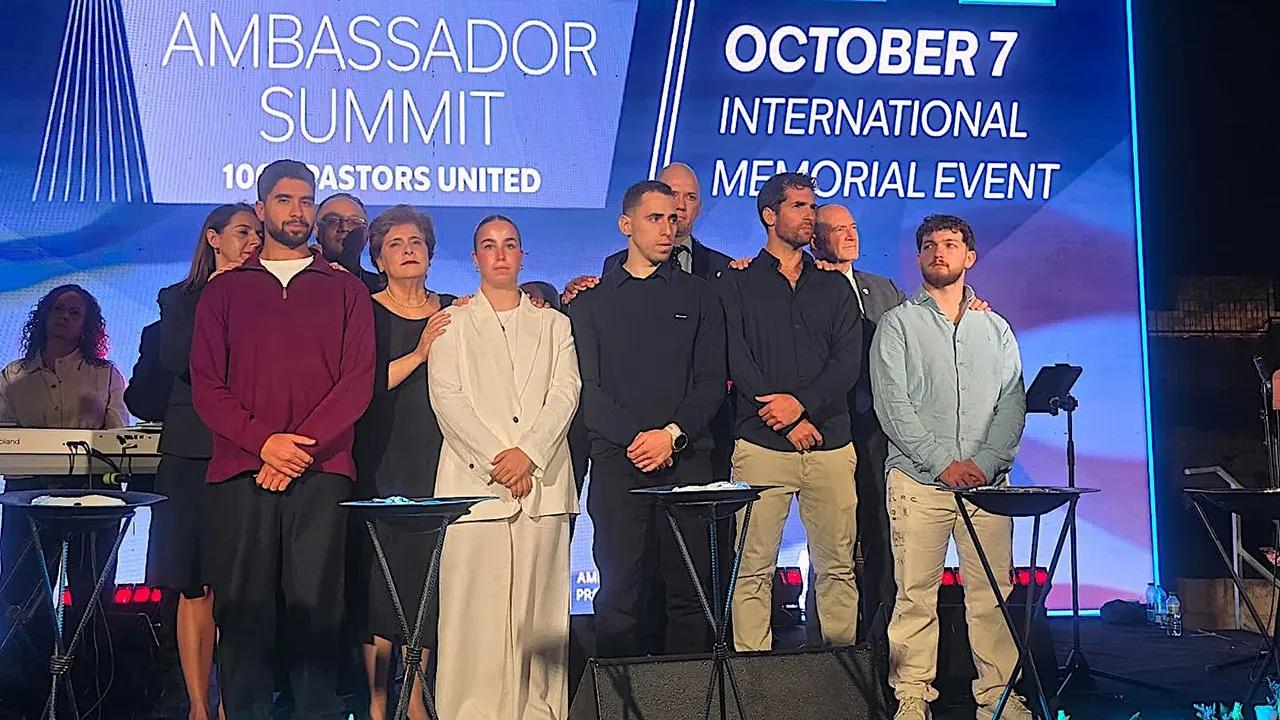

On October 7, 2023, Israel faced a tragedy that left an indelible mark on the nation and the world. As part of the Friends of Zion Ambassador Summit, leaders from the Christian community gathered in Jerusalem to honor the memory of those lost during this horrific event. The summit recognized the importance of solidarity and support from global allies, emphasizing that the Jewish people are not alone in their grief and struggles, especially in the backdrop of escalating antisemitism. This gathering also sought to celebrate shared values and heritage, drawing attention to the unity between Jewish and Christian communities.
| Article Subheadings |
|---|
| 1) Gathering of Strength and Support |
| 2) Voices of the Survivors |
| 3) The Role of Christian Zionists |
| 4) A Call Against Antisemitism |
| 5) Strengthening Bonds Through History |
Gathering of Strength and Support
On a significant day commemorating a national tragedy, Christian community leaders from across the globe convened in Jerusalem for the annual Friends of Zion Ambassador Summit. This international memorial, held on the anniversary of the Hamas-led attack, saw an assembly of diverse participants, including governmental representatives, religious leaders, and members of bereaved families. The summit, which took place on October 7, 2026, served to honor the over 1,200 lives that were lost on that fateful day, as well as the countless others affected by the ensuing chaos, including over 70,000 people displaced from their homes.
The gathering highlighted a vital message: the importance of standing together in solidarity. Dr. Mike Evans, founder of the Friends of Zion Heritage Center, emphasized the emotional impact of the day, suggesting that the memory of those lost is not only a remembrance of life lost but an acknowledgment of the collective pain of a nation. He noted, “People talk a lot about the more than 1,200 people killed that day, but not enough about the more than 70,000 who lost their homes and loved ones.” Such reflections encapsulated the essence of the event, marking it as not just a memorial, but a rallying call for support and unity.
Voices of the Survivors
During the summit, survivors and former hostages shared their harrowing experiences and the ongoing trauma they face. Noteworthy attendees included Agam Berger, Sagui Dekel-Chen, Bar Kupershtein, and Evyatar David, each representing a voice that echoes the resilience and struggle of those affected by the events of October 7. Their testimonies served as a poignant reminder of the personal toll that attacks take on individuals and families.
Bar Kupershtein, whose grandfather is a Holocaust survivor, described the sense of loss and the necessity of remembrance. He expressed the desire for communal healing and the importance of not merely being present but ensuring ongoing support for those who continue to suffer from the ramifications of their traumatic experiences. The gathering provided a platform for these voices to be heard, allowing participants to witness the humanity behind the statistics and to engage in heartfelt discussions on recovery and resilience.
The Role of Christian Zionists
The Friends of Zion Ambassador Summit also spotlighted the integral role played by Christian Zionists who stand in solidarity with Israel. Speakers at the event, including actor and influencer Nathaniel Buzolic, asserted that supporting Israel is not merely a political stance but a moral imperative. Buzolic articulated the emotional connection between Christians and Israelis, emphasizing how this alliance transcends politics. “The vast majority of Zionists in the world are not Jewish; they are Bible-believing Christians,” he remarked, shedding light on a partnership that uplholds shared visions of faith and unity.
The conference gathered over 1,000 participants from 122 countries, illustrating the global interest and theological impetus behind the support for Israel. This gathering sought not only to memorialize but also to engage young Christians who may have been influenced by modern political narratives that lean against Israel. The summit acted as a vital avenue for fostering awareness and encouraging the next generation to embrace a balanced perspective on historical and contemporary issues.
A Call Against Antisemitism
In recent years, antisemitism has resurged globally, prompting serious concern among both Jewish and Christian communities. The summit highlighted alarming statistics that indicate antisemitic violence has reached its highest levels since 1994. This statistic was not merely stated for shock value but served as a call to action. Leaders at the event urged participants to combat hatred in all its forms and to advocate for a society that values mutual respect and coexistence.
“When other minorities or groups suffer, there tends to be some acknowledgment of that suffering, but when it comes to Jewish suffering… there is often silence,”
Buzolic stated, pointing out the disparity in recognition and visibility of suffering communities. The summit served as a firm moment of solidarity, affirming that the fight against antisemitism is a shared responsibility that requires collective action from all corners of society.
Strengthening Bonds Through History
The connections between Christian leaders and the Jewish community were emphasized through various initiatives woven into the summit’s agenda. Notably, participants engaged in visits to significant sites reflecting shared historical and biblical themes. Earlier in the day, many gathered at Yad Vashem, Israel’s Holocaust remembrance center, to honor the victims of past atrocities, reinforcing the idea that remembrance plays a crucial role in preventing future tragedies.
Israel’s Special Envoy to the Christian World, George Deek, echoed sentiments of mutual support, explaining how the arrival of Christian leaders serves as a testament that Israel does not stand alone. “This visit is a testament to the strength of the bond between Israel and Christian communities despite attempts to drive a wedge between them,” he stated, underlining the enduring ties grounded in shared faith and collective memories. Deek emphasized that the struggles faced by Jewish individuals ultimately impact Christians too, as their histories and futures are intertwined. “The future of the Jews in Israel and the future of Christians are connected because we have a shared history,” he concluded, inviting a broader conversation on collaboration in challenging times.
| No. | Key Points |
|---|---|
| 1 | An international summit in Jerusalem commemorated the victims of the October 7, 2023, tragedy. |
| 2 | Survivors shared their personal stories of loss and trauma during the memorial event. |
| 3 | Christian Zionists expressed their solidarity and support for Israel’s right to exist peacefully. |
| 4 | Rising antisemitism was a central topic, with calls for collective action to counteract it. |
| 5 | The gathering illustrated historical ties between Jews and Christians, advocating for continued mutual support. |
Summary
The Friends of Zion Ambassador Summit in Jerusalem stands as a testament to the power of community, remembrance, and resilience. Leaders from diverse backgrounds convened not only to commemorate a tragic anniversary but also to emphasize the importance of solidarity against rising tides of antisemitism and the significance of enduring bonds between Christians and Jews. The stories shared and the commitments made during this event serve as a reminder of shared values and a collective responsibility to ensure such tragedies are not forgotten, fostering continued support for Israel and its people.
Frequently Asked Questions
Question: What is the Friends of Zion Ambassador Summit?
The Friends of Zion Ambassador Summit is an international gathering aimed at supporting Israel and commemorating significant historical events related to Jewish suffering and resilience. It brings together leaders from the Christian community and various other organizations.
Question: How does the summit address rising antisemitism?
The summit focuses on raising awareness about rising antisemitism and promotes collective action among attendees to combat hatred in all forms, advocating for a society rooted in mutual respect and recognition of suffering.
Question: Why is the relationship between Christian and Jewish communities significant?
The relationship is significant due to shared historical, cultural, and biblical connections. Leaders argue that the futures of both communities are intertwined, necessitating joint efforts to support each other against adversity and promote coexistence.
