

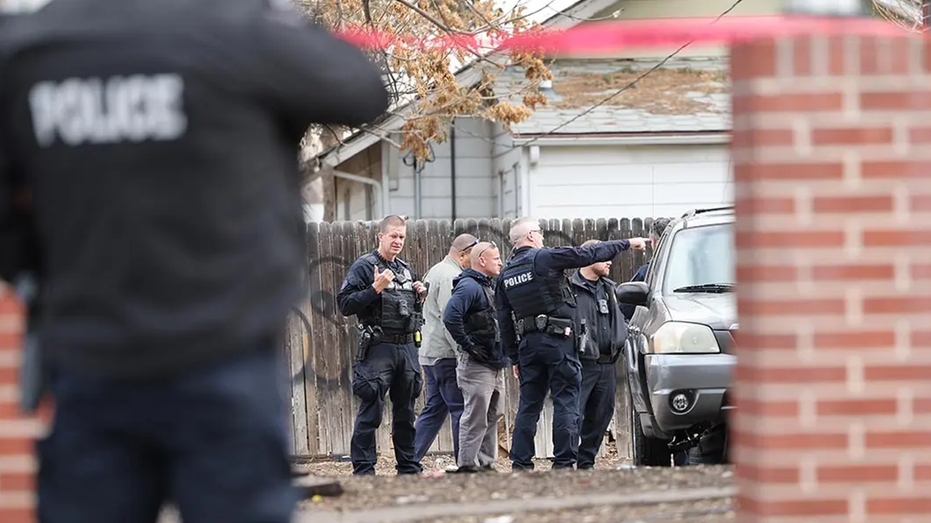

Human traffickers can exploit children’s needs for food, housing, money or affection, a Colorado police sergeant warned after a dedicated unit completed its first year. The Aurora Police Department’s Human Trafficking Unit opened 53 investigations, arrested 28 suspects and recovered 29 survivors, including 15 minors. The unit focuses on sex trafficking involving people age 21 and younger and works with social service agencies, nonprofits and victim advocates. Sgt. Joseph Sullivan said the cases show trafficking can occur in any community and may not resemble the abductions depicted in films.
| Article Subheadings | |
|---|---|
| 1) | A first-year record of investigations and recoveries |
| 2) | How traffickers exploit vulnerability |
| 3) | Why dedicated investigators and partners matter |
| 4) | Warning signs and barriers to reporting |
| 5) | The unit’s priorities for its second year |
A first-year record of investigations and recoveries
Aurora, a city of more than 400,000 people outside Denver, created its Human Trafficking Unit in September 2025. The team consists of three detectives and a supervising sergeant, with a mandate to investigate sex trafficking involving people 21 and younger. During its first year, the unit opened 53 investigations, arrested 28 suspects and recovered 29 survivors, 15 of them minors.
One case involved a 16-year-old girl who was brought to Aurora by her boyfriend and then abandoned. According to Sullivan, she was sexually exploited around an apartment complex in exchange for shelter, drugs or food. She later asked investigators to find the people responsible, but Sullivan said she died from an overdose several months afterward.
“It is happening in our backyard, not just in those other places,” Sullivan said.
How traffickers exploit vulnerability
Sullivan said trafficking often begins when an exploiter identifies an unmet need rather than through a dramatic kidnapping. Housing, food, money, drugs and emotional affection can all become tools of control. The U.S. Department of Homeland Security defines human trafficking as using force, fraud or coercion to obtain labor or a commercial sex act.
The sergeant described victims from different economic and family circumstances. In one example, a high school student from a wealthier background became vulnerable after her mother experienced a disabling medical crisis and her father was absent. The girl developed a drug addiction and was then exploited, Sullivan said.
“There really is no boundary on where we see victims,” Sullivan said.
Why dedicated investigators and partners matter
Trafficking investigations can require extended contact, evidence gathering and careful efforts to build trust with survivors who may not immediately identify themselves as victims or feel ready to testify. Sullivan said a specialized unit reduces detectives’ broader caseloads and gives these cases the time they require.
Aurora police work with human services officials, nonprofit organizations and victim advocates. A local organization, From Silence to Saved, supports victims during investigations, court proceedings and the period afterward. The department also relies on local, state and federal cooperation, including investigative resources from the Colorado Cyber Guardian Task Force.
Investigations Bureau Commander Marc Paolino said the unit places survivors at the center of cases while pursuing those who exploit them. Deputy Chief Mark Hildebrand identified Marshae Wheelock, 24, of Aurora, as an example of an alleged repeat offender the unit was created to investigate. Police linked Wheelock to multiple cases involving the alleged exploitation of children over several years.
Warning signs and barriers to reporting
Parents and caregivers can watch for unexplained cash, new clothing, paid-for manicures or other possessions, as well as a child disappearing for a weekend and returning with items they did not previously have. Sullivan encouraged families to remain involved in children’s online activities, ask questions and use educational resources from child-protection organizations.
Some cases remain stalled because survivors are not ready to speak with police, lack information or do not recognize that they have been exploited. Sullivan said victims can seek help from advocacy organizations even if they do not want to participate immediately in a criminal investigation. The unit also investigates online crimes separately, although trafficking cases can overlap with internet exploitation and sextortion.
The unit’s priorities for its second year
As the unit enters its second year, detectives intend to continue identifying victims and building cases against alleged traffickers. A February undercover operation resulted in the recovery of a 16-year-old girl and the identification of three suspects accused of sexually exploiting her for financial gain.
Sullivan said public tips can help investigators reach vulnerable people sooner and that the department does not reject tips based on how they are submitted. He also stressed that support should address the needs traffickers used to gain control, including safe housing, food, treatment and emotional assistance.
“Using a group of people to help identify those needs and provide those needs is kind of the goal and the key to us being successful,” Sullivan said.
| Number | Key Point |
|---|---|
| 1 | The unit opened 53 investigations in its first year. |
| 2 | Police arrested 28 suspects and recovered 29 survivors, including 15 minors. |
| 3 | Traffickers may exploit needs involving housing, food, money, drugs or affection. |
| 4 | Survivor support and cooperation across agencies are central to investigations. |
Summary
Aurora’s first-year results demonstrate the scale and complexity of human trafficking investigations involving young people. Police say effective enforcement depends not only on arrests, but also on sustained contact with survivors and practical support that removes the vulnerabilities traffickers exploit. Community awareness and timely tips remain important as the unit continues its work.
Frequently Asked Questions
What did the Aurora Human Trafficking Unit accomplish in its first year?
The unit opened 53 investigations, arrested 28 suspects and recovered 29 survivors, including 15 minors.
How do traffickers target vulnerable children?
According to police, traffickers may identify needs such as housing, food, money, drugs or affection and use promises or access to those necessities to gain control.
What warning signs should families watch for?
Potential warning signs include unexplained cash, new clothes, paid-for manicures, unexplained absences or a child returning with possessions they did not previously have.
Can someone seek help without immediately working with police?
Yes. Sullivan said advocacy organizations can provide support even when a survivor is not ready to participate in a criminal investigation.
