

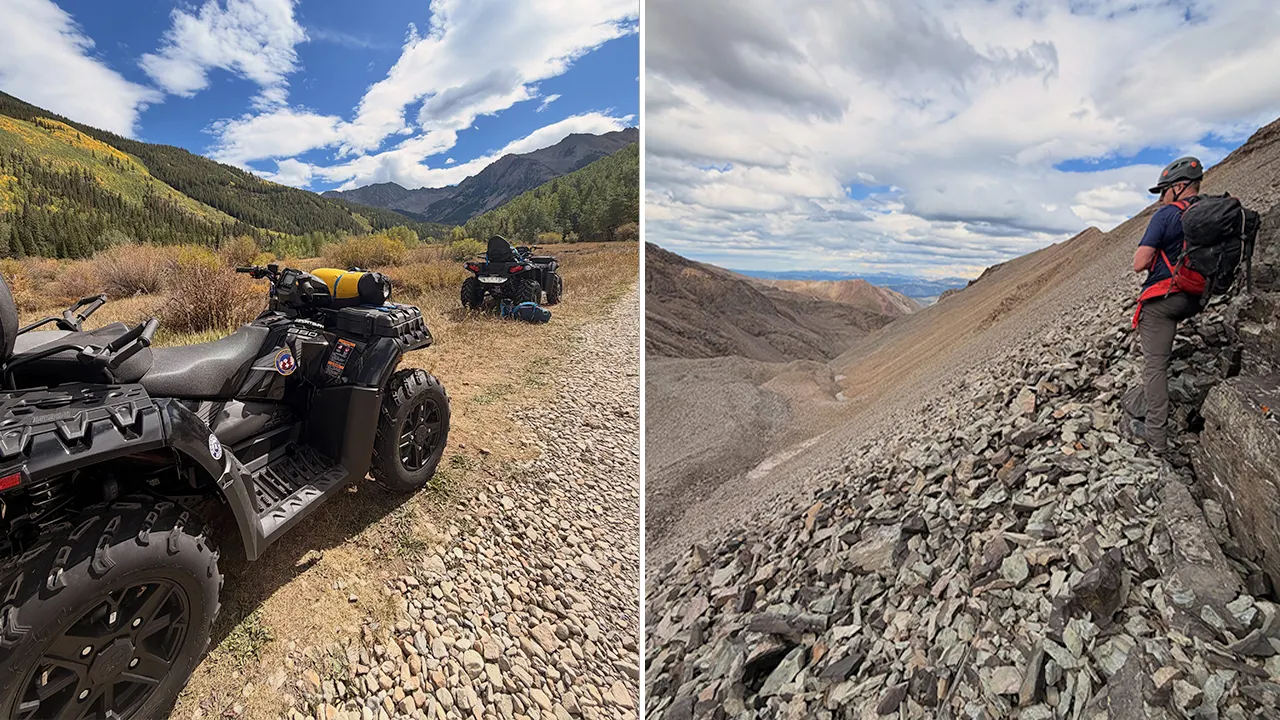

A tragic incident occurred on Castle Peak, located south of Aspen, Colorado, where a climber suffered fatal injuries after an unfortunate fall. The accident, witnessed by nearby hikers, led to a rapid response from rescue teams, but despite their efforts, the climber could not be saved. This incident highlights not only the dangers associated with high-altitude climbing but also the swift and compassionate responses by emergency services in remote and challenging conditions.
| Article Subheadings |
|---|
| 1) Incident Overview |
| 2) Witness Accounts and Observations |
| 3) The Rescue Operation |
| 4) Community Response and Compassion |
| 5) Safety Measures for Climbers |
Incident Overview
On Sunday, the serenity of Castle Peak was shattered when a climber fell from a height, leading to a fatal incident that has left many in shock. Castle Peak, part of the Elk Mountains, stands at a daunting elevation of 14,272 feet, presenting considerable challenges even to seasoned climbers. Authorities confirmed that the Gunnison County Sheriff’s Office received reports of the fallen climber late in the afternoon, prompting an immediate response from Mountain Rescue Aspen.
Rescue teams arrived at the scene by 4 p.m., but the tragic assessment was made that the climber had sustained injuries that were not survivable. The swift response from emergency services reflects the dangers climbers face and the realities of accidents that can occur in such remote and rugged terrains. The climber’s identity has not been publicly disclosed, as authorities work to notify next of kin.
Witness Accounts and Observations
The disturbing event was witnessed by several hikers nearby, including Rebecca Rees, who detailed the experience in a heartfelt statement. In her account, she described the low visibility and harsh conditions that may have contributed to the climber’s fall. “Unfortunately, we witnessed the event. It has been an extremely sad and terrible afternoon for all involved. He did not survive,” she reflected.
Additionally, a bystander known as Robert reportedly rushed to the climber’s side following the fall, demonstrating immense courage. His instinct to aid the injured climber showcases the human spirit’s inclination to help in dire circumstances, despite risks to one’s own safety. Rees emphasized that even in those final moments, the climber was not alone, highlighting the comradeship shared among outdoor enthusiasts.
The Rescue Operation
The rescue effort was marked by urgency and dedication, as teams assembled quickly to tackle the challenges posed by the high-elevation setting. Officials stated that responders utilized both helicopter and ground teams to navigate the rough terrain. The use of off-highway vehicles was paramount for accessing the remote locations up the mountain.
Mountain Rescue Aspen confirmed that the rescue helicopter was able to reach the site in under two hours, a commendable feat given that it was a holiday weekend and operations were hampered by considerable altitude. Upon locating the climber, the helicopter returned to Aspen to retrieve additional personnel to facilitate the recovery. The collective effort of the rescue group highlighted the importance of preparedness and capability in high-pressure, life-and-death situations.
The climber was ultimately recovered shortly after 8 p.m., a grim conclusion to an otherwise adventurous day on the mountain. The actions taken by the rescue teams have been recognized for their professionalism and bravery, considering the difficult circumstances.
Community Response and Compassion
In the aftermath of this tragedy, community members and fellow climbers have expressed their condolences and sadness. Addressing the efforts of the rescue team, Rees noted, “The response of search and rescue, the sheriff, and the coroner all made us feel like every single person matters. This young man had a story, and we all care.” Such sentiments underline a close-knit community, profoundly connected by shared experiences in the outdoors.
The recovery of the climber’s body brought together 21 rescue members who coordinated seamlessly in challenging conditions. The collective feelings of loss, respect, and empathy resonate throughout the local climbing community, as others reflect on the gravity of such incidents and remember their own moments of danger on the mountain.
Safety Measures for Climbers
This tragic incident raises critical awareness regarding safety measures for climbers traversing high-altitude terrains. Authorities and safety experts continually emphasize essential best practices for climbers. Climbers are advised to always inform someone of their climbing plans, check weather reports before and during climbs, and use appropriate gear irrespective of the climbing conditions.
“Preparation and awareness are vital for safety,”
stated a local climbing instructor, reiterating the need for caution on challenging routes.
Moreover, the significance of climbing with a partner or group cannot be overstated. Many accidents can potentially be mitigated with timely assistance from fellow climbers. As the climbing season progresses and more adventurers head to peaks like Castle, the emphasis to prioritize safety is more critical than ever. Organizations advocating for climbing safety also stress ongoing education related to new equipment and techniques, ensuring climbers are better prepared for any unforeseen circumstances.
| No. | Key Points |
|---|---|
| 1 | A climber fell from Castle Peak, leading to fatal injuries despite rescue efforts. |
| 2 | Witnesses, including nearby hikers, observed the climber’s tragic fall. |
| 3 | Rescue teams were able to respond within two hours, utilizing both air and ground resources. |
| 4 | Community members expressed gratitude for the prompt and compassionate responses of the rescue teams. |
| 5 | The incident highlights the significance of safety measures and awareness among climbers in high-altitude environments. |
Summary
The recent fall at Castle Peak underscores the inherent dangers associated with high-altitude climbing, particularly as outdoor enthusiasts seek adventure in the rugged terrains of Colorado. It serves as a reminder of the swift and courageous responses from rescue teams who navigate considerable challenges to assist those in distress. The community’s compassionate outreach following the tragedy reflects the strong bonds formed through shared experiences in the outdoors and emphasizes the need for continued education and adherence to safety protocols among climbers.
Frequently Asked Questions
Question: What were the circumstances surrounding the climber’s fall?
The climber fell while scaling Castle Peak, a high-elevation peak in the Elk Mountains, prompting an immediate response from rescue teams.
Question: What efforts were made during the rescue operation?
Rescue teams utilized both helicopters and ground vehicles to reach the site quickly and coordinated efforts to recover the fallen climber.
Question: How can climbers ensure their safety while climbing?
Climbers are encouraged to follow safety protocols, such as informing others of their plans, wearing appropriate gear, checking the weather, and climbing with a partner.
