

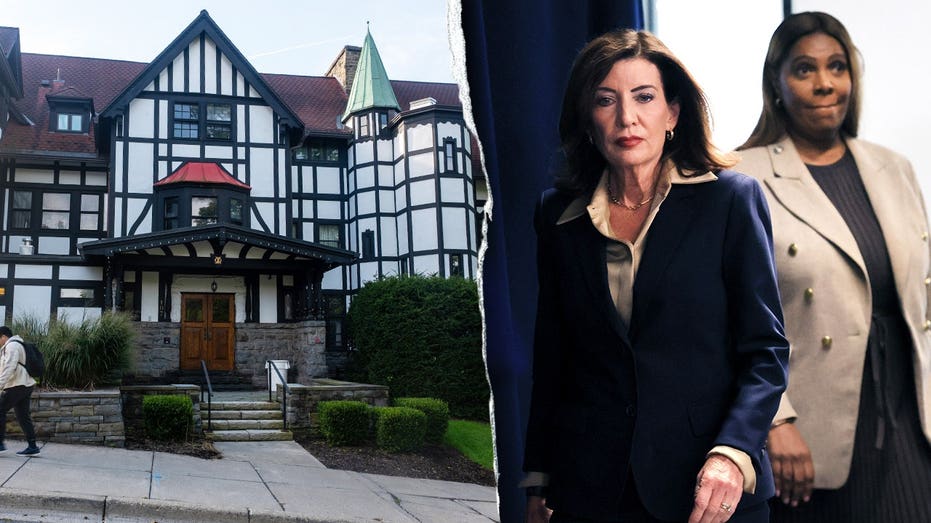

Seven former Chi Phi fraternity members face a civil lawsuit alleging that a Cornell University student was drugged and sexually assaulted during an October 2024 gathering. The men deny wrongdoing. Some say the sexual activity was consensual, while others deny participating. No criminal charges have been filed. The allegations have prompted a renewed criminal investigation, an independent review of Cornell’s response and wider debate over consent, intoxication and campus accountability.
The case concerns conflicting accounts of events at the fraternity house and the accuser’s reports afterward. Questions also arose about whether local prosecutors received the complete transcript of her interview with Cornell police.
| No. | Article subheading |
|---|---|
| 1 | The allegations at the fraternity house |
| 2 | The accuser’s changing account |
| 3 | Questions about the initial prosecutorial decision |
| 4 | The renewed investigation and institutional reviews |
| 5 | Cornell findings and campus concerns |
The allegations at the fraternity house
The events occurred on Oct. 19, 2024. The accuser, identified in court papers as Jane Doe, was a 20-year-old Cornell undergraduate. According to her lawsuit, she drank at her Tri Delta sorority house, attended events at two Ithaca bars and walked alone to the Chi Phi house at about 11 p.m.
Doe alleges that she consumed roughly 10 standard drinks over three hours and appeared visibly intoxicated. She says a fraternity member gave her another beer, proposed sex and pressured her to take ketamine, marijuana and high-proof alcohol. The lawsuit alleges that other fraternity members entered the room and that sexual encounters continued until about 5:45 a.m., when she lost consciousness. Snapchat messages cited in the complaint allegedly encouraged members to go upstairs and referred to Doe in degrading terms.
The accuser’s changing account
Records from Cornell’s Title IX proceedings and contemporaneous communications describe different parts of the night in different ways. The morning afterward, Doe reportedly told roommates that she had taken ketamine and had sex with multiple men. One roommate said Doe did not initially call the event rape, while another recalled that she appeared shocked.
Doe later sought medical care for a urinary tract infection and sexually transmitted disease testing. After an anonymous online post referred to a sophomore being gang raped, her account became more explicit. She wrote that most of the sexual activity had not been consensual and requested a rape kit. She also distinguished an initial encounter she described as comfortable from later activity she characterized as coercive and incapacitating.
Questions about the initial prosecutorial decision
Matthew Van Houten, the Tompkins County district attorney, initially declined to pursue charges after reviewing a sworn statement from Doe’s November 2024 interviews with Cornell police. He said the statement described her initial participation and later drug use as voluntary and consensual, without alleging that she had been drugged against her will or gang raped.
Van Houten said prosecutors and investigators assumed the statement was truthful but concluded that the facts presented did not establish a crime under New York law. Reports later indicated that prosecutors might not have received the full interview transcript. Van Houten said the transcript contained information he had not seen and changed the landscape of the case.
The renewed investigation and institutional reviews
Doe filed a 101-page lawsuit in New York Supreme Court nearly two years after the alleged incident. The civil complaint names the seven former fraternity members and also sues Cornell, Chi Phi and other organizations, alleging failures before, during and after the encounter.
New York Gov. Kathy Hochul appointed the state attorney general’s office as special prosecutor. Attorney General Letitia James said her office was conducting an active criminal investigation guided by the facts and law. Van Houten also reopened the matter and said he planned to present it to a Tompkins County grand jury. Cornell agreed to retain outside counsel for an independent review of its handling, separate from the criminal investigation.
Cornell findings and campus concerns
Cornell President Michael Kotlikoff said two students were expelled, two were suspended for at least two semesters, one had graduated before discipline could be imposed and two were found not responsible for sexual misconduct. Cornell emphasized that its Title IX process is separate from the criminal justice system and uses different procedures and standards. The university rejected claims that it imposed only minor consequences and said no student received essays as the sole punishment.
The case also drew attention to campus climate. More than 35% of female undergraduates who responded to a 2025 university survey reported nonconsensual sexual contact involving force, threats or incapacitation, compared with 23% in 2023. Cornell noted that 926 of the 6,000 invited students responded, representing about 15% participation.
| No. | Key point |
|---|---|
| 1 | Seven former fraternity members face civil allegations, but no criminal charges have been filed. |
| 2 | The accuser’s descriptions changed over time while she continued to report distress. |
| 3 | The New York attorney general is leading an active criminal investigation. |
| 4 | Cornell faces an independent review of its handling of the allegations. |
Summary
The Cornell case remains unresolved. Civil, criminal and university processes are examining consent, intoxication, the completeness of information provided to prosecutors and the adequacy of institutional responses. Further investigation and grand jury proceedings will determine whether new evidence supports criminal charges.
Frequently Asked Questions
Who is accused in the case?
Seven former Chi Phi members are defendants in a civil lawsuit alleging drugging and sexual assault. They deny wrongdoing, and no criminal charges have been filed.
What is the status of the criminal investigation?
The New York attorney general’s office is conducting an active investigation after being appointed special prosecutor. The county district attorney also intends to present the matter to a grand jury.
How did Cornell respond?
Cornell imposed expulsions and suspensions through its disciplinary process and agreed to an independent external review of its handling of the allegations.
