

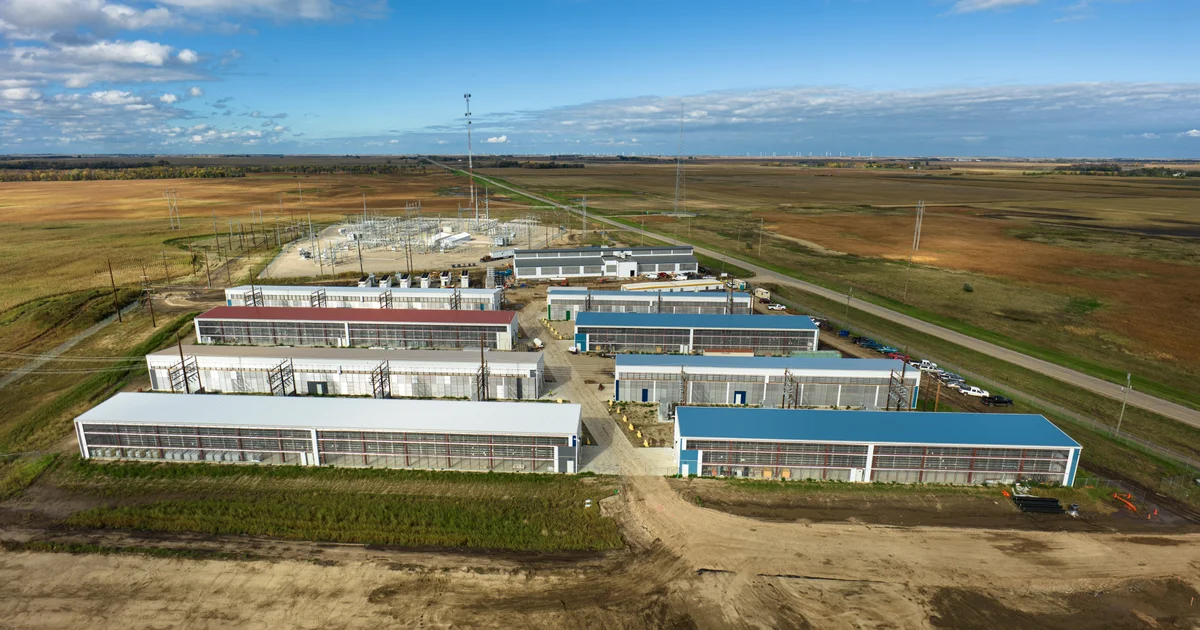

The rapid growth of data centers across the United States has become a focal point of concern as these expansive facilities drive the artificial intelligence (AI) boom. Once primarily located in urban or developed areas, many of these massive data centers are now being constructed on farmland and natural landscapes. Community backlash against their environmental and infrastructural impacts is growing, with increasing public interest and opposition influencing local governance and future development regulations.
| Article Subheadings |
|---|
| 1) The Expansion of Data Centers in America |
| 2) The Role of Hyperscale Data Centers |
| 3) Community Backlash and Public Opposition |
| 4) Legislative Responses to Data Center Development |
| 5) Incentives Offered by Developers |
The Expansion of Data Centers in America
Data centers have evolved significantly over the past few decades, but the recent surge in their construction coincides with the rising demand for AI technologies. Currently, more than 1,300 data centers operate throughout the United States, with an additional 2,231 projects either planned or under development, according to market intelligence firm Cleanview. As these facilities proliferate, many are being situated in areas that were previously farmland or untouched ecosystems. This trend is visually represented in satellite imagery, revealing a stark transformation of the American landscape.
The strategic positioning of these centers is primarily economic; land that was once agricultural often presents lower costs for development. This leads developers to convert natural landscapes into expansive facilities capable of managing vast amounts of data and supporting the demands of modern technology. However, this rapid development is raising eyebrows about environmental sustainability and the potential long-term impact on local ecosystems and communities.
The Role of Hyperscale Data Centers
Hyperscale data centers differ from traditional centers due to their scale and resource consumption. Defined as facilities consuming at least 100 megawatts of power at peak capacity, these centers are critical for servicing the needs of artificial intelligence and cloud computing. According to Cleanview, there are approximately 100 hyperscale centers currently in operation across the U.S. The energy-intensive nature of these facilities requires not only considerable infrastructure but also raises questions about the sustainability of energy sources.
The push for hyperscale centers has led some companies to develop their own power generation capabilities. With existing power grids often unable to meet the voracious energy demands, many tech giants explore off-grid solutions. Utilizing technologies such as repurposed jet engines for power production, these companies create independent energy solutions to avoid delays and mitigate criticism regarding their impact on local power supplies.
Community Backlash and Public Opposition
With the rapid rise of data centers and their powerful infrastructural footprint, communities have begun to voice strong concerns. Public backlash against these developments often centers on fears regarding local water resources, power supply strains, and the broader implications for regional economies. Notably, grassroots movements have emerged to push back against several proposed projects. According to reports, during the second quarter of 2026 alone, activists managed to disrupt 45 data center developments across 27 states, amounting to a staggering $68 billion in planned investments.
Increasing fears and organized opposition have become a noticeable trend. Many advocacy groups are taking action not just to block projects in their communities but are also raising awareness across state lines. Many campaigns have seen heightened online activity, with petitions gaining significant traction. This mobilization is often complemented by local community meetings focused on understanding the implications of new data centers, showcasing the growing public demand for transparency in such large-scale projects.
Legislative Responses to Data Center Development
As community tensions rise regarding the implications of data center developments, various states have initiated legislative measures to address these concerns. More than thirty states have introduced or passed laws aimed at examining and regulating the impact that these facilities have on utility costs and local economies. This trend reflects a growing recognition that data centers can fundamentally affect the public utility landscape, leading to increased costs for residents.
In some instances, communities have gone as far as imposing moratoriums on data center development proactively. Such preemptive actions indicate a significant level of unease extending beyond immediate project plans, hinting at localities’ desire to maintain autonomy over land use and infrastructure decisions. Local governments have begun to grasp their pivotal role in safeguarding community interests against prospective developers, making legislative action a cornerstone of the ongoing debate surrounding data center proliferation.
Incentives Offered by Developers
In response to pushback from communities, many developers have begun to offer incentives to local residents in order to foster goodwill and attain project approvals. Reports highlight that some developers have proposed direct cash payments to households in affected neighborhoods, along with other community benefits. These incentives are part of broader efforts to reshape local perception, aiming to facilitate smoother development processes amid heightened scrutiny.
While these incentives may have immediate appeal, they also raise questions about long-term impacts and whether such measures truly benefit the community or merely assuage concerns for project approval. The tension remains as negotiations unfold between community interests and the economic drivers propelling data center development. As these discussions progress, it is essential for stakeholders to ensure that community needs are not superseded by the lure of short-term gains.
| No. | Key Points |
|---|---|
| 1 | The landscape of America is changing due to the rapid proliferation of data centers, many of which occupy previously undeveloped land. |
| 2 | Hyperscale data centers, which require massive energy resources, are increasingly reliant on off-grid power solutions to meet their demands. |
| 3 | Community activism is on the rise as neighborhoods express concerns about the ecological and infrastructural consequences of data centers. |
| 4 | Legislatures in multiple states are responding to public concerns with regulations impacting utility costs and land use. |
| 5 | Developers are attempting to mitigate community resistance by providing incentives, raising complex ethical questions about long-term community impacts. |
Summary
The rise of data centers in the United States marks a significant evolution in infrastructure to accommodate growing demands for AI technology. With many of these centers being situated in previously undeveloped areas, there is a critical need for balanced oversight to ensure community needs are considered alongside economic momentum. The ongoing dialogue between residents, developers, and lawmakers will shape the future of data centers, underscoring the complexity of managing technological expansion amid environmental and societal needs.
Frequently Asked Questions
Question: Why are data centers being built on farmland and natural land?
Data centers are increasingly built on farmland and natural land due to lower land costs and a critical need for expansive spaces to accommodate their infrastructure. Economic factors often drive the decision to develop in these areas as cities become saturated.
Question: What are the environmental impacts of hyperscale data centers?
Hyperscale data centers raise concerns about their significant energy consumption, potential water usage for cooling, and the conversion of natural landscapes. These factors can disrupt local ecosystems and threaten regional environmental sustainability.
Question: How are communities responding to the influx of data centers?
Communities are responding with organized activism, raising awareness about the impacts of data centers. Many have engaged in petitions, public meetings, and some local governments have enacted moratoriums or introduced regulations to safeguard local interests.
