

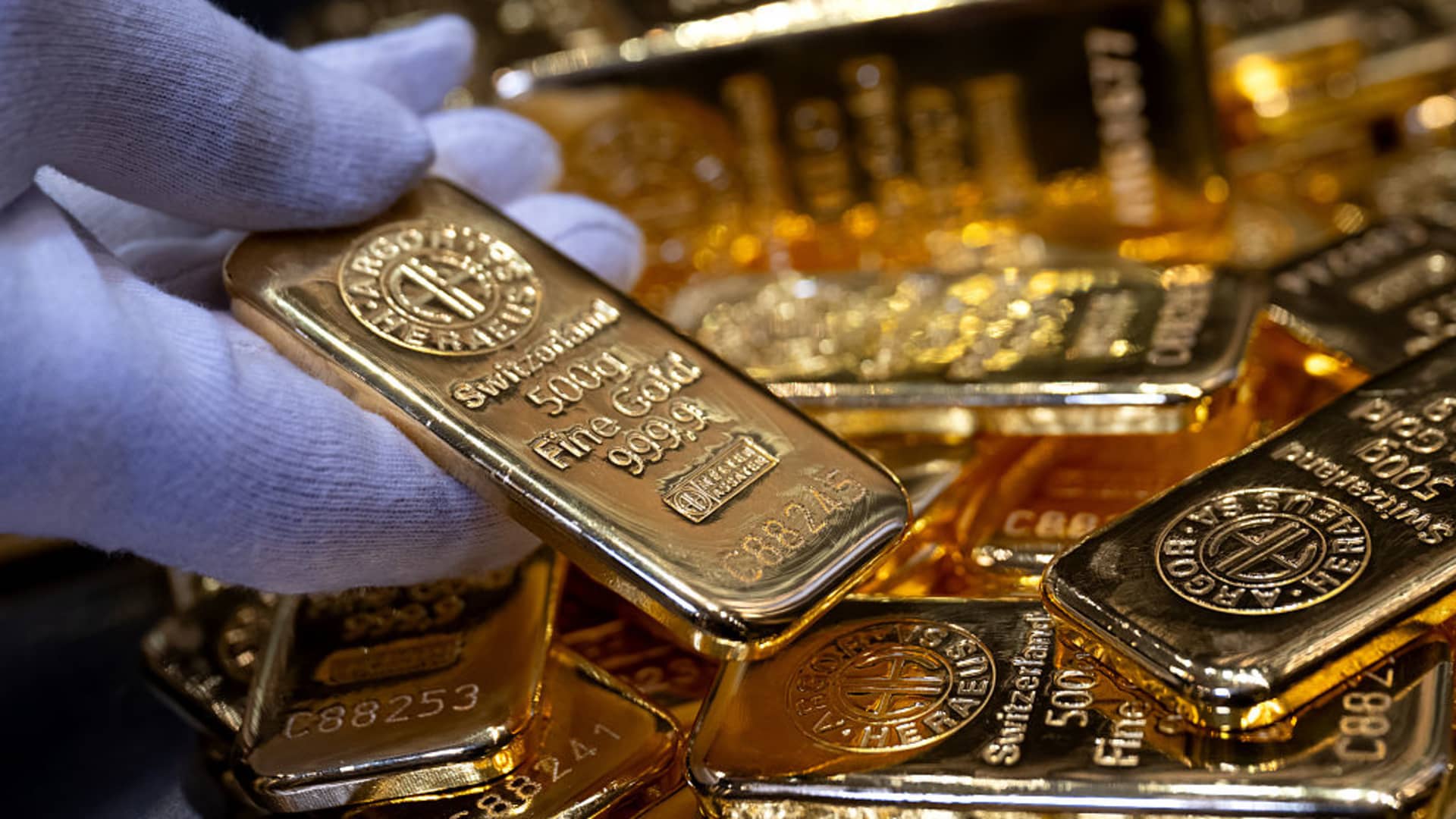

Recent analysis from financial experts has highlighted the ongoing potential of gold as a valuable asset, despite its recent decline in price. According to strategists at Morgan Stanley, factors such as resilient physical demand and concerns over government finances are supporting the precious metal’s long-term value proposition. This article delves into the various elements influencing the gold market, including significant central bank purchases and macroeconomic factors affecting investor sentiment.
| Article Subheadings |
|---|
| 1) Physical Demand from Central Banks |
| 2) Macroeconomic Challenges and Gold Prices |
| 3) Geopolitical Tensions and Oil Prices |
| 4) Analyst Perspectives on Future Gold Prices |
| 5) Conclusion: The Case for Gold |
Physical Demand from Central Banks
One of the critical factors underpinning gold prices is the robust physical demand from central banks. In recent months, central banks have significantly increased their gold purchases, with reports indicating that they bought a net total of 23 metric tons in July alone, according to the World Gold Council. Central banks in China and Poland were particularly noteworthy, acquiring 20 metric tons and 8 metric tons, respectively, during this time. This trend has led to an overall surge in gold imports by China, which experts are tracking closely as they are on course to achieve their highest levels of imports since 2017.
China’s appetite for gold is notably strong. Observers have indicated that the nation’s total gold imports surpassed 1,000 metric tons in the first eight months of the year, reflecting both private and institutional demand. This persistent buying interest from such influential economic players could provide substantial support to gold prices, especially as global economic conditions remain uncertain. In this context, the demand from central banks plays a formidable role in the market, enhancing gold’s appeal as a safe-haven asset.
Macroeconomic Challenges and Gold Prices
The current market landscape is fraught with macroeconomic challenges that may influence the gold market. Increased bond yields have raised concerns among investors regarding the attractiveness of non-yield-bearing assets like gold. These rising yields have effectively placed downward pressure on gold prices, as investors weigh their options against interest-bearing alternatives. Despite this, analysts, including Amy Gower of Morgan Stanley, suggest that growing expectations surrounding Federal Reserve rate hikes could lead to shifts in market dynamics that may favor gold.
Gower pointed out the potential for fresh interventions in the long-dated bond market, which could result in yields decreasing. If such a scenario unfolds, it can rejuvenate interest in gold, leading investors to reconsider their asset allocation amidst fluctuating interest rates. Additionally, easing inflation expectations could also mitigate upward pressure on rates and bond yields, positioning gold more favorably in both retail and institutional portfolios.
Geopolitical Tensions and Oil Prices
Beyond economic factors, geopolitical tensions continue to play a significant role in shaping market sentiments. Reports of separate talks between U.S. and Iranian officials highlight the ongoing conflicts in the Middle East that have broader ramifications. A swift de-escalation of these tensions may not only lower oil prices but could also create a ripple effect across various asset classes, including precious metals like gold. If oil prices decline, as expected with any positive resolutions in the geopolitical landscape, it may alleviate pressure on inflation and create a more stable environment for gold investments.
Analysts emphasize that this relationship between oil prices and gold is crucial, particularly during times of international scrutiny and negotiation. Understanding the intricate link between oil prices and precious metal valuations is essential for investors positioning themselves in a complex market landscape. The potential easing of inflation led by declining oil prices may create further room for gold price increases as traders begin to factor in alternative economic scenarios.
Analyst Perspectives on Future Gold Prices
As the market approaches the final quarter of 2026, various analysts are weighing in on the outlook for gold. Gower maintains a positive perspective, favoring gold’s long-term sustainability and projected performance. Despite the inherent volatility associated with gold investments, she believes there are numerous reasons to remain bullish on the precious metal moving forward. Gower explicitly identified a price floor of $4,000 as being quite strong, indicating confidence that gold has the potential to bounce back in light of the various supportive factors.
The acknowledgment of volatility in the asset highlights the importance of being prepared for significant fluctuations in market conditions. Investors and analysts alike remain focused on the interplay of economic data releases and Federal Reserve meetings, which will be critical in shaping future expectations and investment strategies. The confluence of various factors—demand dynamics, macroeconomic pressures, and geopolitical uncertainties—will provide a complex backdrop as gold navigates through the coming months.
Conclusion: The Case for Gold
In summary, the longer-term case for holding gold appears robust, bolstered by strong physical demand from central banks, macroeconomic challenges prompting reevaluation of investment strategies, and potential geopolitical resolution that could influence oil prices. As such, while short-term fluctuations may lead to price slides, the underlying factors supporting gold’s value remain intact. Investors will need to remain vigilant and responsive to the evolving landscape as they consider the role of gold within their overall financial strategies.
| No. | Key Points |
|---|---|
| 1 | Central banks have notably increased gold purchases. |
| 2 | Rising bond yields pose challenges for gold but may shift with Fed interventions. |
| 3 | Geopolitical tensions could influence oil and gold prices. |
| 4 | Analysts maintain a positive long-term outlook for gold. |
| 5 | Gold remains a strategic asset amidst economic uncertainties. |
Summary
The continuing dynamics of the gold market illustrate a complicated interplay of demand, economic pressures, and geopolitical factors. As central banks bolster their gold reserves and analysts project future price floors, the essential role of gold as a safe-haven asset in tumultuous times is underscored. Despite facing challenges from rising bond yields and geopolitical tensions, the overall prospects for gold remain favorable as it adapts to shifting market conditions.
Frequently Asked Questions
Question: Why are central banks increasing their gold purchases?
Central banks are increasing their gold purchases as a means of diversifying their reserves and providing a hedge against economic uncertainty. With rising inflation and geopolitical tensions, gold is seen as a safe-haven asset.
Question: How do rising bond yields affect the price of gold?
Rising bond yields make interest-bearing assets more attractive compared to non-interest-bearing assets like gold, often leading to a decline in gold prices as investors shift their finances in search of better returns.
Question: What factors could lead to a rise in gold prices in the future?
Possible factors for a rise in gold prices include a decrease in bond yields, easing of inflation pressures, increased central bank purchases, and geopolitical stability that impacts commodity prices.
