

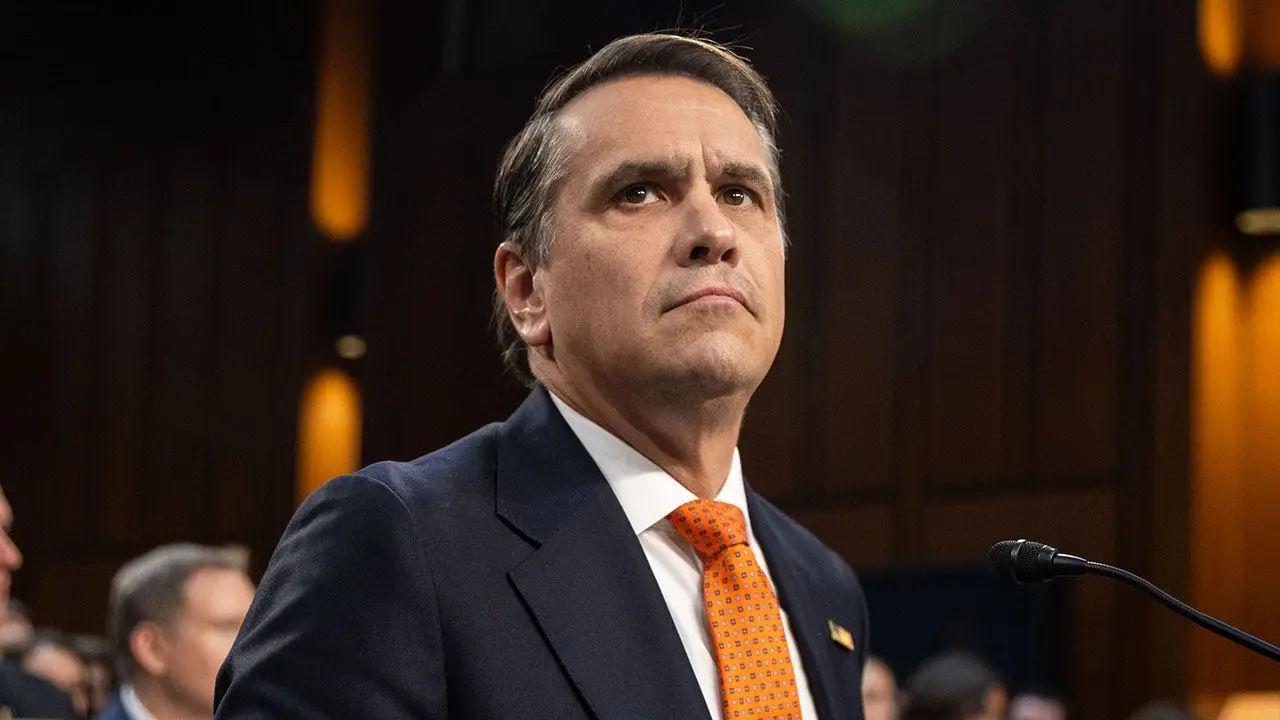

In recent developments surrounding immigration policy, Colorado Governor Jared Polis has defended the state’s actions regarding in-state tuition for undocumented students amid a lawsuit from the Department of Justice (DOJ). Governor Polis emphasized the right of states to establish their own residency definitions for tuition purposes, asserting that more than 6,000 illegal immigrants currently benefit from this policy. This incident has spotlighted broader national discussions regarding immigration enforcement and financial repercussions associated with welfare funding for states that do not comply with federal reporting requirements regarding illegal migrants.
| Article Subheadings |
|---|
| 1) Background of the Colorado Tuition Policy |
| 2) The DOJ’s Response and Legal Actions |
| 3) Wider Implications for State Policies |
| 4) Political Reactions and Public Sentiment |
| 5) Conclusion and Future Considerations |
Background of the Colorado Tuition Policy
The state of Colorado has long been at the forefront of educational reforms, particularly regarding policies that affect immigrant students. The current tuition policy permits illegal immigrants to access in-state tuition, which can significantly reduce the financial burden of higher education. This initiative has enabled over 6,000 undocumented students to attend Colorado institutions at a lower cost than out-of-state tuition. The genesis of this policy stems from an effort to support those who have grown up in Colorado and consider the state their home, even though they lack legal immigration status. Advocates argue that providing access to education is not only a moral imperative but also a wise investment in the state’s future workforce.
The DOJ’s Response and Legal Actions
The Department of Justice has issued a legal opinion calling for states to report individuals known to be unlawfully present in the U.S. as a condition of receiving federal welfare funds. This recent directive specifies that states participating in welfare programs, like Temporary Assistance for Needy Families (TANF), could face significant financial penalties if they fail to report illegal migrants to federal authorities. The DOJ’s stance marks a departure from a previous interpretation which limited these reporting requirements to only certain state agencies that administer welfare programs. According to Deputy Assistant Attorney General Joshua Craddock, “Failure to comply may lead to serious consequences, including loss of program funding.” This development indicates a stricter enforcement of federal immigration laws, which the current administration has been prioritizing since it resumed power.
Wider Implications for State Policies
The implications of the DOJ’s new directives extend beyond Colorado, affecting all states participating in the mentioned welfare programs. States potentially face the loss of billions in federal funding if they do not adhere to the reporting requirements, significantly impacting state budgets. There is already pushback from several states, particularly those led by Democrats, who view these federal mandates as overreach. Lawsuits have been filed in several jurisdictions challenging the legality of the DOJ’s requirements, arguing that such actions infringe on states’ rights to manage their welfare programs as they see fit. Critics of the DOJ’s position contend that the financial threat only serves to deter states from providing critical support to vulnerable populations, ultimately causing harm to communities rather than resolving migration issues.
Political Reactions and Public Sentiment
Governor Jared Polis has been vocal in defending Colorado’s right to foster inclusive educational policies, emphasizing the benefits that providing education can have on both individual and state levels. His remarks have attracted attention amid ongoing discussions about the rise of socialism and antisemitism within the Democratic Party, which he also addressed during interviews. Public sentiment appears to be polarized as well, with proponents of stricter immigration laws advocating for the DOJ’s actions, whereas civil rights organizations are mobilizing to protect the rights of undocumented residents. This dynamic has the potential to shape upcoming elections as immigration remains a central and contentious issue on the national political landscape. The rejection of the DOJ’s position could galvanize further protests and legal battles, reflecting the deep divisions within American society regarding immigration and welfare policies.
Conclusion and Future Considerations
As the conflict between the state of Colorado and the DOJ unfolds, its outcomes could set important precedents for how states approach immigration and educational policies in the future. The potential for legal challenges remains high, and varying state responses may contribute to a patchwork of immigration enforcement across the U.S. The long-term consequences of these changes may not only affect undocumented immigrants but also reshape the dynamics of welfare funding and crime rates, which are often cited in arguments for stricter immigration enforcement. Observers are keenly watching how this situation evolves, knowing that it may influence future policies in states beyond Colorado, especially those facing similar circumstances.
| No. | Key Points |
|---|---|
| 1 | The Colorado tuition policy allows undocumented students to access in-state rates, impacting over 6,000 individuals. |
| 2 | The DOJ’s recent stance may result in significant financial penalties for states not reporting illegal immigrants. |
| 3 | Democratic states are mounting legal challenges against the DOJ, arguing against federal overreach. |
| 4 | Public sentiment is divided around these issues, with strong advocacy for both immigrant rights and stricter enforcement. |
| 5 | Outcomes of this dispute could have lasting effects on welfare funding and immigration policies across the United States. |
Summary
The ongoing confrontations between states like Colorado and the federal government over issues such as education and immigration policy are indicative of larger national debates. As states assert their rights to define and provide for their residents, particularly those without legal status, the response from the federal government could catalyze significant changes in welfare funding and enforcement strategies across the country. The ramifications of these conflicts promise to shape the future landscape of immigration law, education policy, and the allocation of federal resources.
Frequently Asked Questions
Question: What is the Colorado tuition policy for undocumented students?
The Colorado tuition policy allows undocumented students to pay in-state tuition rates at public colleges and universities, which significantly reduces their educational costs.
Question: What are the consequences for states that do not comply with the DOJ’s reporting requirements?
States risk losing significant federal funding, which could impact their welfare programs and overall budgets if they fail to report illegal migrants as mandated by the DOJ.
Question: How have Democratic states reacted to the DOJ’s new directives?
Democratic states are challenging the DOJ’s directives through legal action, arguing that they represent federal overreach and infringe on states’ rights to administer their own welfare programs.
