

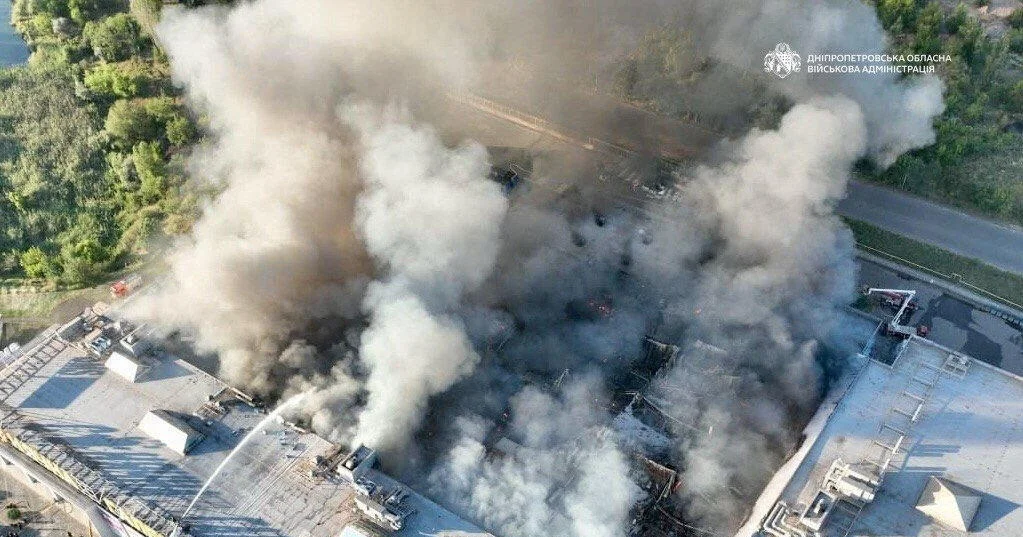

A series of devastating drone strikes carried out by Russian forces targeted multiple locations in Ukraine on Friday, resulting in significant civilian casualties. The most catastrophic attack occurred at a shopping mall in Kryvyi Rih, President Volodymyr Zelenskyy’s hometown, where 15 people lost their lives, and over 130 were injured. This incident forms part of a broader pattern of intensifying military aggression, with multiple regions experiencing deadly assaults that left at least 21 people dead in total across Ukraine.
| Article Subheadings |
|---|
| 1) Deadly Drone Strikes in Kryvyi Rih |
| 2) Broader Context of Attacks Across Ukraine |
| 3) Ukraine’s Response and Military Developments |
| 4) The Impact on Civilian Life and Infrastructure |
| 5) Future Prospects and International Reactions |
Deadly Drone Strikes in Kryvyi Rih
On Friday, Russian drones made a direct attack on a bustling shopping mall located in the city of Kryvyi Rih, leading to immense tragedy with the death toll reaching 15 and at least 130 others injured, including 23 children. The regional military administration, led by Oleksandr Hanzha, confirmed these figures, noting the catastrophic impact on the local community. Kryvyi Rih has previously experienced severe assaults during the ongoing conflict, with a notably deadly incident in April 2025, where 20 civilians, including nine children, lost their lives.
President Zelenskyy condemned the attack as a premeditated atrocity, describing the assault as a “double-tap strike,” in which an initial drone wave was followed by additional strikes targeting rescue efforts. He took to social media to liken the attackers to “monsters,” vowing that Ukraine would respond decisively to this aggression. Such statements reflect the heightened emotions among leaders and residents alike as the nation grapples with the brutal realities of warfare.
Broader Context of Attacks Across Ukraine
In addition to the catastrophe in Kryvyi Rih, other regions also faced violence during the same day. In Ukraine’s southern Mykolaiv region, an evening drone strike resulted in the deaths of four individuals, three of whom were children, while earlier strikes in the Kharkiv region claimed the lives of two elderly women. This string of attacks, resulting in a total of 21 fatalities across the country, showcases the relentless nature of the conflict as it escalates.
Emergency services have reported ongoing challenges in addressing these assaults, particularly given the frequency and intensity of Russian strikes in recent weeks. Analysts note that such tactics aim to undermine not only physical infrastructure but also the morale of the Ukrainian populace. Following another series of assaults that targeted Kyiv just 24 hours prior—claiming 16 lives—the trend of heightened violence seems poised to continue.
Ukraine’s Response and Military Developments
In response to the escalating threats, Ukraine’s air force reported successfully intercepting 107 out of the 135 drones launched by Russia in overnight operations. This defense of Ukrainian airspace, however, highlights the chronic need for more advanced weaponry, particularly U.S.-made Patriot missile systems, which Ukraine relies on to counter overwhelming strikes from Russian forces. The inability to provide adequate air defense systems leaves towns and civilians insecure and vulnerable to such unexpected assaults.
In parallel, Ukraine has actively engaged in retaliating against the aggressor by launching drone strikes on military and industrial targets within Russian territory. Notably, a recent attack targeted an oil refinery in Perm, as well as a military airfield in Volgograd. This reciprocal action reflects Ukraine’s strategy to escalate offensive operations at key points within Russia to drain resources and pressure the Kremlin. As analysts observe, the ongoing back-and-forth attacks underscore a stalemate at the front lines, with neither side gaining substantial ground.
The Impact on Civilian Life and Infrastructure
These attacks have had profound ramifications on civilian life in Ukraine. Infrastructure, particularly in urban centers, continues to bear the brunt of military engagements, disrupting everyday life and access to essential services. Hospitals, schools, and marketplaces are left vulnerable to repeated shelling and drone strikes, instilling fear among the population. The psychological toll on residents, who often find themselves in constant alert, is profound, as they navigate their lives amidst the reality of warfare.
As documented, the United Nations has reported a significant number of civilian casualties from recent conflicts. Kyiv, among the hardest-hit cities, witnessed at least 54 civilian deaths and 202 injuries in the month of July alone. The attacks are not merely military endeavors; they are components of a broader strategy to instill fear and disrupt social stability, contributing to significant humanitarian issues in the region.
Future Prospects and International Reactions
Looking ahead, the military landscape in Ukraine remains dire. Experts suggest that continued Russian assaults are likely as both sides continue to maneuver for strategic advantages. The conflict’s stalemate raises questions about potential diplomatic resolutions, particularly as pressures mount internationally for Russia to reconsider its tactics and engage in negotiations for peace.
International responses have varied, yet there is a prevailing call for increased military support for Ukraine. Nations have discussed potentially supplying additional defense systems, hoping to bolster Ukraine’s capability to fend off such strikes. The situation remains fluid, with geopolitical dynamics influencing decisions, as allies seek to balance engagement with deterrence against further escalation.
| No. | Key Points |
|---|---|
| 1 | Russian drone strikes on Ukraine’s Kryvyi Rih shopping mall led to 15 fatalities and over 130 injuries. |
| 2 | Attacks in Mykolaiv and Kharkiv added to a total of 21 civilian deaths across Ukraine on the same day. |
| 3 | Ukraine’s air defenses intercepted over 100 Russian drones, but the need for advanced military systems remains critical. |
| 4 | Continued drone attacks are expected as both sides engage in retaliatory strikes within each other’s territories. |
| 5 | The humanitarian impacts and civilian life disruptions highlight the urgent need for international military aid to Ukraine. |
Summary
The recent surge in drone attacks illustrates the ongoing humanitarian crisis resulting from the conflict between Russia and Ukraine. As civilian casualties mount and infrastructure is devastated, the need for robust international support becomes clear. The implications of these developments stretch beyond immediate military concerns, as they shape the very fabric of daily life for millions of Ukrainians enduring a prolonged and deadly conflict.
Frequently Asked Questions
Question: How has the recent wave of drone attacks affected civilians in Ukraine?
The recent wave of drone attacks has led to significant civilian casualties and injuries, with critical infrastructure also being impacted, disrupting essential services and instilling fear among the population. More than 130 people were reported injured in one of the most severe attacks in Kryvyi Rih, underscoring the dangers faced by civilians.
Question: What is the Ukrainian government’s response to these drone strikes?
The Ukrainian government has vowed to respond decisively to the ongoing drone strikes, emphasizing the need for enhanced defensive measures and international military support. Efforts include retaliatory strikes against strategic targets within Russia to disrupt military operations.
Question: What international support is being considered to aid Ukraine?
International support discussions have included increased military assistance, particularly in the form of advanced air defense systems like the U.S. Patriot missile systems, aimed at bolstering Ukraine’s capabilities to counter the drone threats effectively.
