

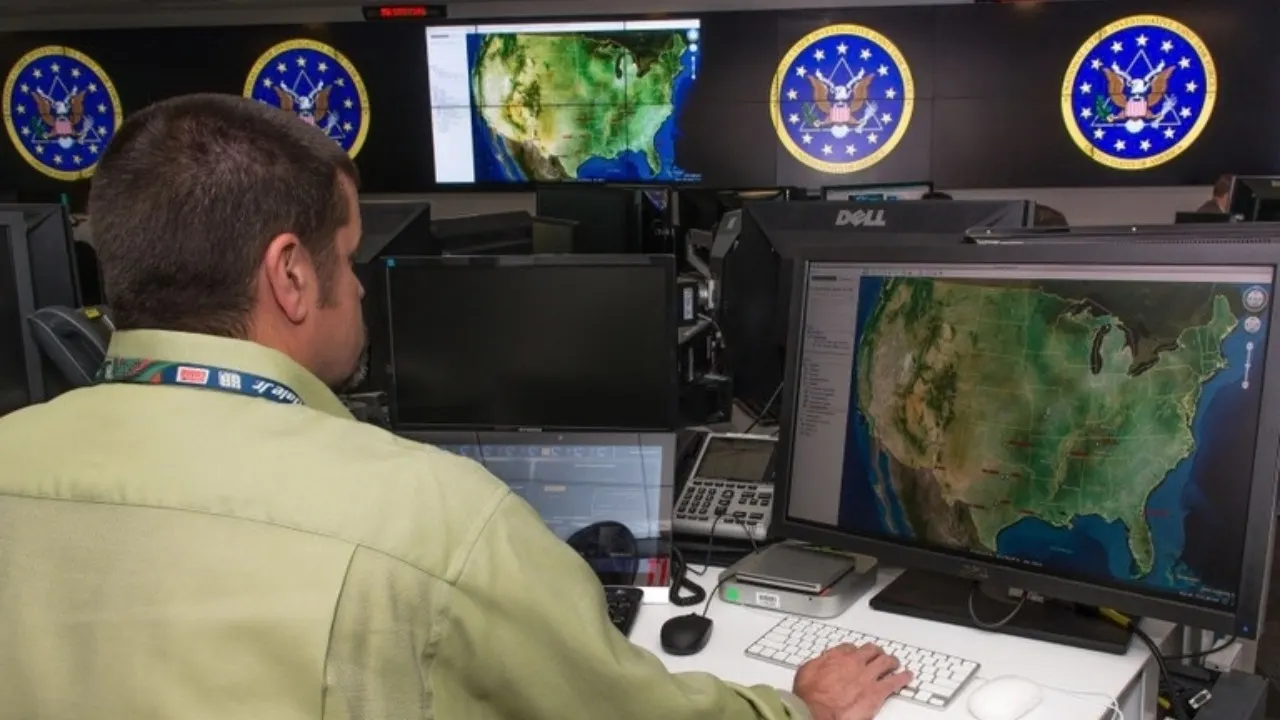

A significant data breach involving the FBI has emerged following claims from the cybercriminal group ShinyHunters that they compromised the FBIJobs.gov portal. The breach reportedly included sensitive information of both current and former FBI employees, as well as job applicants. While the FBI is investigating the breach and has made some arrests associated with ShinyHunters, the extent of the data compromised and the point of entry remain unclear, raising serious concerns for those affected and highlighting broader implications for security across various organizations.
| Article Subheadings |
|---|
| 1) Overview of the FBIJobs.gov Data Breach |
| 2) FBI’s Response to the Incident |
| 3) Implications of the Compromised Data |
| 4) Cybercriminal Intentions: What ShinyHunters Claims |
| 5) Protecting Yourself After the Breach |
Overview of the FBIJobs.gov Data Breach
The recent data breach at the FBIJobs.gov website represents a significant compromise of sensitive information, claimed by the cybercriminal group ShinyHunters. This breach involves records from both current and former FBI personnel, as well as applicants for roles within the agency. ShinyHunters claims they made off with between 2 to 3 terabytes of data that not only includes personal information but also details about specific sensitive assignments and investigations linked to employees. The nature of the information stolen raises alarms, going beyond mere contact details and touching on aspects vital to operational security within the FBI.
The fallout from this incident is profound as it introduces risks that can affect not just those directly associated with the bureau but potentially everyone who has entrusted their personal information to organizations that collect sensitive data. In a world where data is crucial for many organizations, breaches like this underscore the vulnerabilities inherent in data management systems used across various sectors.
FBI’s Response to the Incident
In response to the alleged breach, the FBI issued a statement acknowledging the claims made by ShinyHunters and clarified that the source of the breach is still under investigation. As of September 23, the FBI stated that investigators are pursuing leads to determine whether the breach occurred within the FBI’s own systems or through third-party services that support FBIJobs.gov. The agency emphasized its commitment to addressing the issue swiftly, asserting that it is “actively and aggressively investigating” the incident.
On September 15, the FBI helped orchestrate an arrest of one of the alleged leaders of the ShinyHunters group in the Netherlands, showing a proactive approach to combating cybercrime. This arrest may not solve the challenges posed by the breach, but it highlights law enforcement’s ongoing efforts to hold cybercriminals accountable. Meanwhile, the FBI’s Special Agent Applicant Portal was shut down as a precautionary step during the investigation.
Implications of the Compromised Data
The leaked information included not only names and addresses but also Social Security numbers, emergency contacts, and information pertaining to sensitive job assignments within the bureau, such as involvement in counterespionage work and surveillance operations. According to reports, entries in the leaked data even made references to ongoing investigations involving Russian and Chinese intelligence operations, elevating the risk level significantly.
What makes this breach particularly alarming is the potential for identity theft and other malicious activities. The personal data could facilitate targeted phishing attempts, where attackers could impersonate trusted contacts to trick individuals into revealing more sensitive information or funds. This breach exemplifies the broader risk to privacy that extends not only to FBI employees but also to the general public, as the fundamental question of data security looms over every organization that manages sensitive information.
Cybercriminal Intentions: What ShinyHunters Claims
ShinyHunters claims that the motivation behind this cyberattack was revenge driven by prior warnings issued by the FBI about their activities. Allegedly, the group chose the FBI as a target to retaliate against the agency’s efforts to expose them. They assert that their intention was not merely financial gain but rather to send a message regarding their capabilities and the consequences of governmental scrutiny.
While the FBI’s prior advisories about ShinyHunters framed the group as extortionists, ShinyHunters has refuted these claims, arguing that their actions were a form of protest against unfounded allegations. They have presented the substantial amount of data stolen as proof of their access and capabilities, suggesting that their motives extend beyond mere criminal activity into the realm of cyber warfare. However, the FBI continues its investigation to verify these claims and assess the full scope of the threat posed.
Protecting Yourself After the Breach
For individuals who may have shared personal information with the FBI or related government agencies, there are several steps to mitigate potential risks following the breach. First and foremost, it is essential to carefully validate any incoming communications, especially those posing as requests for information or application updates. Cybercriminals often use detailed knowledge from data breaches to enhance the believability of their phishing attempts.
Additionally, it is advisable to inform family members or emergency contacts about the breach, especially if their details may also be included in the leaked information. This precaution can help safeguard against targeted harassment or attempts to extract sensitive information from those close to affected individuals. Implementing credit freezes and monitoring your financial accounts are proactive measures against potential identity theft, ensuring any unusual activity is promptly addressed.
Finally, for added security, individuals should consider setting up an IRS Identity Protection PIN if their Social Security number was potentially exposed, providing an extra barrier against tax-related identity theft. It is crucial to remain vigilant and proactive in your approach to protecting personal information, especially in light of incidents that show even high-security entities are not impervious to breaches.
| No. | Key Points |
|---|---|
| 1 | ShinyHunters claims to have stolen sensitive personal data connected to FBI personnel and applicants through a breach of the FBIJobs.gov portal. |
| 2 | The FBI is currently investigating the breach and has arrested an alleged leader of ShinyHunters in a proactive response. |
| 3 | The leaked data includes personal information and could heighten the risk of identity theft and phishing attacks. |
| 4 | ShinyHunters claims their motivation was revenge tied to prior warnings issued by the FBI regarding their activities. |
| 5 | Individuals whose information may have been compromised are urged to take immediate protective measures to safeguard their personal information. |
Summary
The breach of the FBIJobs.gov portal, as claimed by ShinyHunters, highlights significant concerns regarding data security within high-stakes governmental agencies. The implications extend beyond those associated with the FBI itself, as the potential for identity theft and exploitation of personal information poses a broad risk to anyone who has trusted various organizations with their sensitive information. With law enforcement actively pursuing the matter, this incident serves as a critical reminder of the vulnerabilities inherent in data management systems and the ongoing need for individuals to protect their personal information proactively.
Frequently Asked Questions
Question: What steps should I take if my data may have been compromised in the breach?
If you believe your information may have been involved in the breach, consider verifying any unexpected communications from the FBI, monitoring your financial and medical accounts closely, freezing your credit, and discussing the situation with family members who may also be affected.
Question: How can I protect myself from identity theft after a data breach?
Implementing precautionary measures such as freezing your credit, using strong passwords for online accounts, signing up for identity protection services, and being vigilant about any suspicious activity can help protect against identity theft.
Question: Why should I be concerned about a breach affecting FBI employees?
The risk extends beyond FBI personnel, as the information stolen could be used in various malicious ways that impact anyone who shares personal information with organizations. The interconnected nature of data collection means that breaches can affect a wide array of individuals.
