

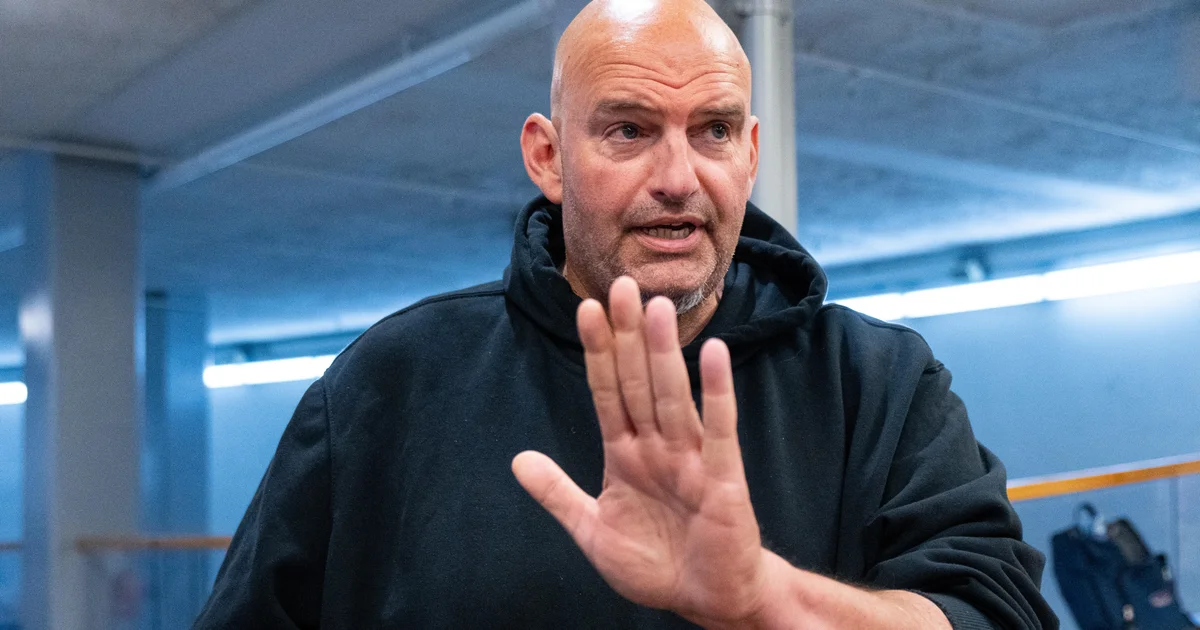

Democratic Senator John Fetterman of Pennsylvania has expressed optimism about his party possibly gaining control of the Senate in the upcoming midterm elections. While he reinforced his commitment to the Democratic Party, Fetterman also hinted at potential shifts in his political stance, leaving observers curious about his future. Amid an evolving political landscape influenced by economic and foreign policy issues, he emphasized after the elections, his decisions regarding re-election and party alignment will become clearer.
| Article Subheadings |
|---|
| 1) The Path Ahead for the Democratic Party |
| 2) Fetterman’s Political Future in Question |
| 3) Diverging Opinions Within the Party |
| 4) Fetterman’s Stand on Key Issues |
| 5) Implications of Midterm Outcomes |
The Path Ahead for the Democratic Party
As the midterm elections approach, the Democratic Party is faced with significant challenges and opportunities. With 53 Republicans currently occupying Senate seats, the Democrats must navigate a complex electoral map. The party’s control of the Senate is critical for pushing legislative agendas, particularly amid ongoing affordability concerns that have amplified throughout the prior administration’s term. Fetterman’s remarks highlight his belief in the possibility of a Democratic majority, despite previous skepticism regarding electoral prospects. The anticipated outcomes hinge not only on economic issues but also on voters’ sentiments concerning foreign affairs, such as the current conflict involving Iran.
Fetterman’s Political Future in Question
As a key figure in the Democratic rank, John Fetterman has attracted attention for his crucial election win in 2022. However, recent times have seen him under scrutiny for suggesting potential shifts in his political allegiances, raising questions about his commitment to the Democratic Party. During an appearance at the Texas Tribune Festival, Fetterman left the door open on his future, contending that he would prefer to wait until after the midterm elections to announce if he would leave the party. His statement, “I am not a Republican,” aims to reassure supporters of his loyalty while also highlighting the uncertainties of his political trajectory as voters head to the polls.
Diverging Opinions Within the Party
Fetterman has underscored the increasing internal divisions within the Democratic Party, rising particularly from disputes concerning foreign policy and social issues. He pointed to how some Democrats have adopted more progressive stances than traditionally accepted, such as positions on Israel. This reflects a trend where newer and more progressive members have emerged, often at odds with longtime party platforms. Fetterman’s growing frustrations over party alignment indicate a need for Democrats to reconcile these differences to present a unified front in the face of Republican opposition. As he stated, there is “no path as a Republican” for him, exemplifying his alignment with core Democratic values despite growing dissent in certain areas.
Fetterman’s Stand on Key Issues
Fetterman has openly opposed certain decisions made by the Democratic Party, particularly regarding government shutdowns, which he deems detrimental. “Do you think it’s right and smart to shut our government down?” he questioned, emphasizing the historical stance of Democrats against such actions. This opposition showcases Fetterman’s approach to prioritizing national interests over party loyalty, a recurrent theme in his statements. Additionally, he voiced concerns about the current trajectory of the party, particularly as more members lean towards less favorable views of international allies. Fetterman’s willingness to highlight these differences signals his commitment to a broader, more collective viewpoint that encourages collaboration and unity.
Implications of Midterm Outcomes
The outcome of the midterm elections holds significant implications for the Democratic Party’s future, potentially determining the leadership within the Senate. Fetterman has indicated a positive outlook, referencing stronger candidates, such as Josh Turek, who is leading in polls in Iowa, suggesting a resurgence in Democratic support. The elections are not merely about gaining control; they encompass broader issues of governance and policy direction that will affect millions of Americans. Furthermore, should Fetterman secure a pivotal win, it could consolidate his position within the party, cementing his influence during critical legislative negotiations. The midterms present not only a test for individual Senate candidates but also a chance to reshape the power dynamics within the Democratic Party itself.
| No. | Key Points |
|---|---|
| 1 | Senator John Fetterman anticipates a chance for the Democratic Party to take control of the Senate in upcoming elections. |
| 2 | Fetterman remains committed to Democratic values while acknowledging shifts in party dynamics. |
| 3 | Internal party divisions are becoming more visible, particularly regarding foreign policy and social issues. |
| 4 | Fetterman has voiced concerns about government shutdowns, indicating a focus on national interests. |
| 5 | The outcomes of the midterm elections could reshape leadership dynamics and direction within the Democratic Party. |
Summary
As the midterm elections approach, the stakes are high for the Democratic Party, with John Fetterman‘s statements indicating both challenges to party unity and potential opportunities for gaining Senate control. His nuanced position reflects a larger discourse on what it means to be a Democrat in today’s political environment. The focus on economic issues intertwined with social stances suggests that the outcomes of these elections could have long-lasting implications for the party’s direction and its leaders.
Frequently Asked Questions
Question: What are the key issues influencing the midterm elections?
Key issues include economic affordability, government spending, foreign policy, and social issues like abortion rights and LGBTQ+ representation.
Question: How might Fetterman’s decisions impact future elections?
Fetterman’s decisions regarding party alignment and re-election can significantly influence voter perceptions and strategies in upcoming elections.
Question: What role does Pennsylvania play in the Senate elections?
Pennsylvania is pivotal because it has a mix of Democratic and Republican representation which can sway the balance of the Senate depending on electoral outcomes.
