

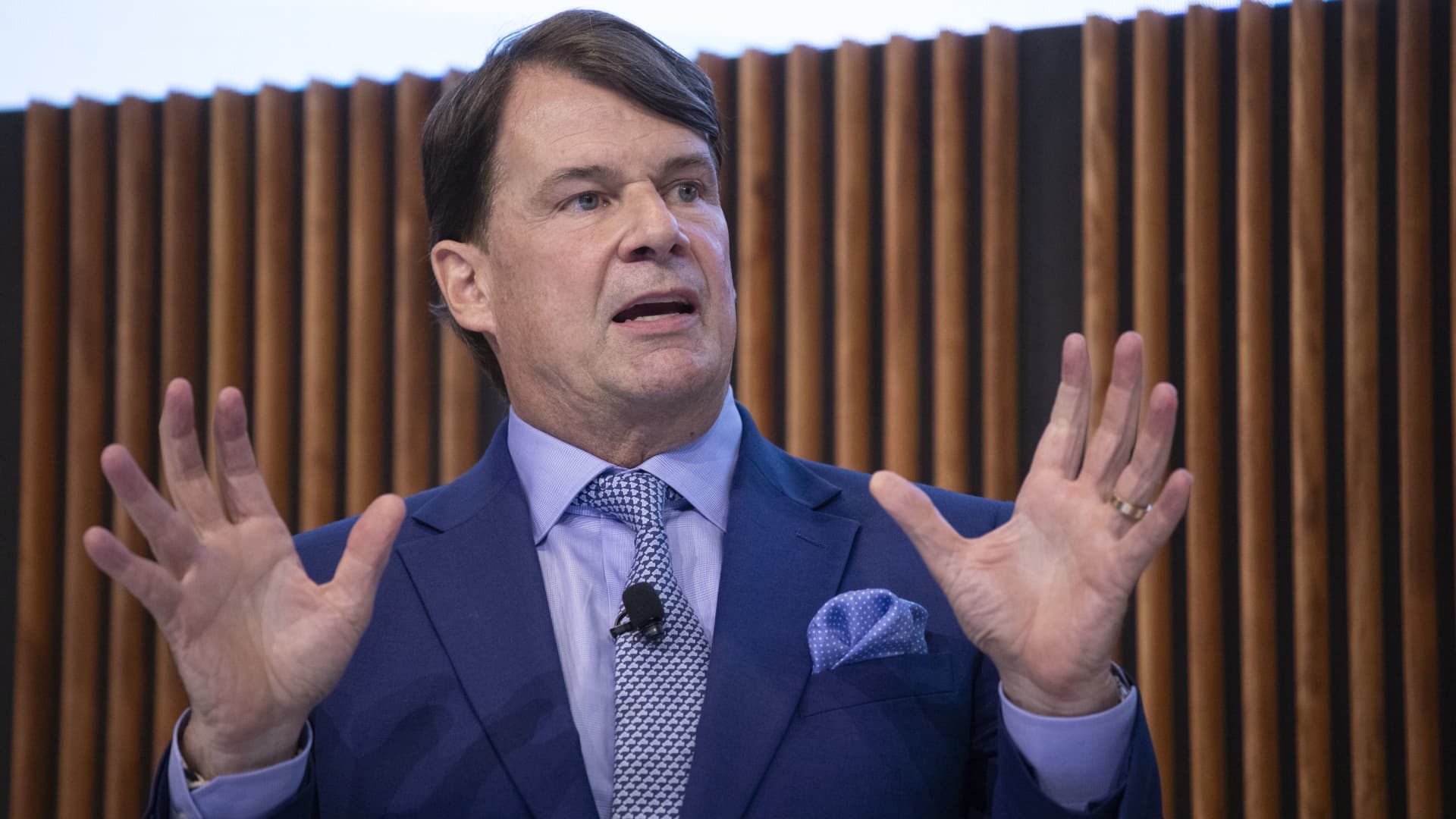

Ford Motor Company CEO Jim Farley recently expressed his concerns regarding the potential entry of Chinese automakers into the U.S. market, urging American politicians to learn from Europe’s experience. He cautioned that while it may be too late for Europe to manage this influx effectively, the U.S. still has a window to take prudent action. His remarks came during the Automotive News Congress in Detroit, where he highlighted the explosive growth of Chinese brands in the automotive sector.
| Article Subheadings |
|---|
| 1) Insights from Europe: A Cautionary Tale |
| 2) Escalating Market Share of Chinese Automakers |
| 3) Ford’s Strategic Partnerships with Chinese Firms |
| 4) American Political Climate and Industry Concerns |
| 5) The Future of Electric Vehicles and Domestic Production |
Insights from Europe: A Cautionary Tale
During the Automotive News Congress in Detroit, Jim Farley, the CEO of Ford Motor Company, pointedly urged policymakers to draw lessons from the automotive landscape in Europe. He described the situation there, saying, “It’s too late” for Europeans to effectively address the challenges posed by an influx of Chinese automakers. According to Farley, European markets have struggled to manage this competition, highlighting the need for American regulators to be proactive in shaping market entry policies for foreign automakers, particularly those from China.
Farley’s caution stems from observing the rapid developments in Europe’s automotive sector, where policy decisions taken in haste have led to substantial market shifts. In particular, he noted that the absence of regulatory foresight has resulted in European automakers facing fierce competition from their Chinese counterparts. “I watch what’s happening in Europe right now, where that was not the case, and it’s really something that they have to deal with now,” he said, indicating that the situation could worsen if the U.S. does not establish a robust strategy to safeguard its domestic automotive interests.
Escalating Market Share of Chinese Automakers
Market research firm GlobalData recently reported a remarkable shift in the global automotive landscape, revealing that the market share held by Chinese brands surged by nearly 70% between 2020 and 2025. This growth trajectory is contextually important, showing that the Chinese automotive sector is poised for significant expansion not just in Europe but globally. The latest statistics reveal that Chinese automakers had a negligible market presence in Europe just three years ago; however, by August 2023, their market share had ballooned to approximately 12%.
This meteoric rise in market share raises concerns among traditional automakers, including Ford, about the competitive advantages that Chinese manufacturers may bring. Farley’s comments suggest that American companies must brace themselves for a new era of competition as Chinese manufacturers leverage state support and innovative strategies to capture market segments that were once dominated by Western brands.
Ford’s Strategic Partnerships with Chinese Firms
In light of aggressive competition, Ford is not merely concerned about the potential risks but is also exploring strategic partnerships with Chinese firms. Recently, Ford and Geely, a prominent Chinese automaker, announced their intent to manufacture electric vehicles (EVs) at a Ford-owned facility in Spain. This joint venture aims to harness the strengths of both organizations in technology and manufacturing efficiency.
According to Farley, such collaborations with Chinese companies are driven by the need for capital efficiency in emerging markets like Europe and Southeast Asia. He noted, “We’re going to partner with the Chinese where we don’t have [intellectual property], where we can be more capital efficient.” This strategic pivot indicates a pragmatic approach to navigate the competitive landscape, leveraging partnerships rather than relying solely on traditional manufacturing processes.
American Political Climate and Industry Concerns
Farley’s warnings are underscored by a growing political climate in the United States that is increasingly skeptical of Chinese investments and partnerships. Earlier this month, the Trump administration directed concerns towards Ford regarding its collaborations with Chinese companies and its strategic direction. Officials expressed a “profound concern” about the implications of these ties for national interests, reflecting the anxieties that policymakers have as U.S. firms navigate the complexities of international competition.
This political scrutiny comes amidst mounting pressures in Congress to introduce new bills that could limit or even permanently block Chinese automotive brands from entering the U.S. market. The discussions signal a heightened level of economic nationalism, with American leaders weighing the potential consequences of foreign competition against domestic job security and industry health.
The Future of Electric Vehicles and Domestic Production
As Ford navigates this intricate landscape, it is simultaneously preparing for a key transition to electric vehicles. The company has plans to unveil its “universal electric vehicle,” including a new pickup truck model, slated for launch next year. This initiative illustrates Ford’s commitment to innovating within the EV space while competing directly against Chinese entrants. Farley remarked on this strategy, emphasizing that Ford aims to lead in the electrification of transportation in a market defined by electric and hybrid technologies.
By pursuing a dual strategy that involves both collaboration with Chinese firms and intensified competition, Ford aims to reinforce its presence in the industry. The question remains, however, whether this strategy will successfully mitigate the risks posed by the rapidly growing Chinese automotive sector while catering to evolving consumer preferences for electric vehicles.
| No. | Key Points |
|---|---|
| 1 | Ford CEO Jim Farley urges U.S. politicians to learn from Europe regarding Chinese automaker policies. |
| 2 | Chinese automotive brands have seen their global market share increase by nearly 70% from 2020 to 2025. |
| 3 | Ford plans to collaborate with Geely to manufacture electric vehicles in Spain. |
| 4 | Political concerns are rising in the U.S. about foreign partnerships in the auto industry. |
| 5 | Ford is preparing to launch a universal electric vehicle model next year, indicating a strategic shift towards electrification. |
Summary
The remarks made by Jim Farley highlight crucial considerations for American policymakers and stakeholders in the automotive industry. With the rapidly evolving landscape characterized by the ascendancy of Chinese automakers, there is an urgent need for the U.S. to formulate a coherent strategy that balances competitive equity with economic security. As Ford prepares for the future of electric vehicle production amidst these challenges, the path forward will require thoughtful deliberation and a keen understanding of both domestic and international market dynamics.
Frequently Asked Questions
Question: What concerns does Ford’s CEO have about Chinese automakers?
Ford’s CEO Jim Farley has expressed concerns that the U.S. must learn from Europe’s experiences with Chinese automakers, suggesting that premature market entry without adequate regulation could lead to challenges similar to those faced in Europe.
Question: What is the significance of the partnership between Ford and Geely?
The partnership aims to enhance manufacturing efficiency and accelerate the production of electric vehicles at a Ford facility in Spain, representing a strategic move in the competitive landscape dominated by Chinese automotive brands.
Question: How is the political environment affecting Ford’s strategy?
The political environment has grown increasingly wary of partnerships with Chinese companies, leading to concerns about national security and economic policies that could impact Ford’s strategies in collaboration and competition.
