

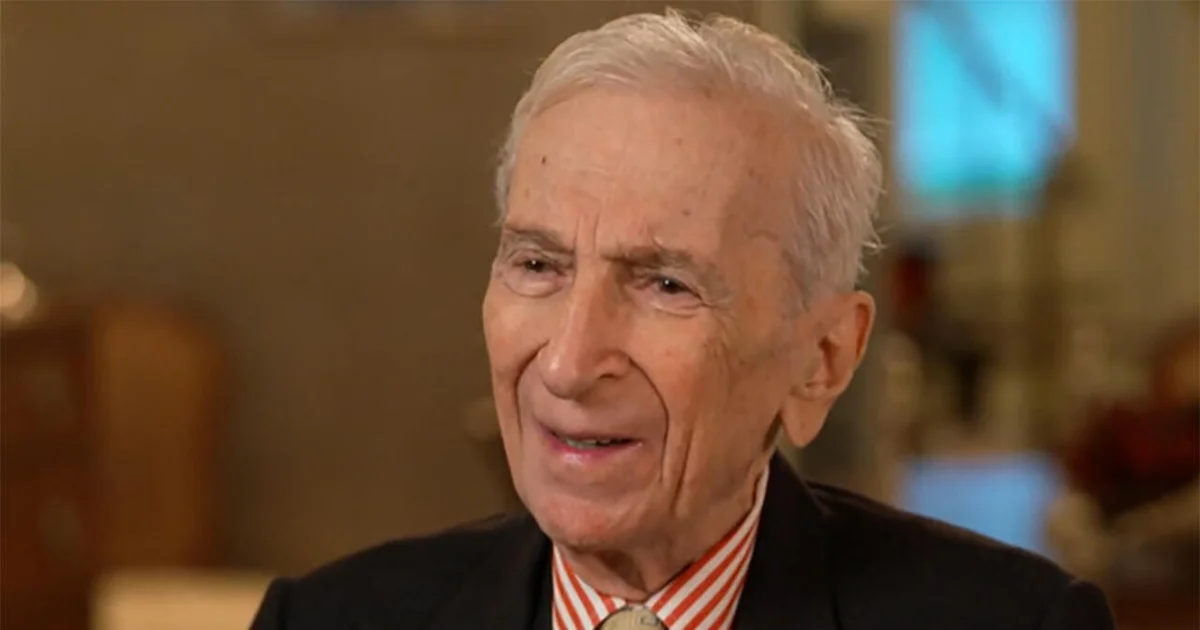

Renowned American journalist and author Gay Talese recently reflected on his storied career that spans over seven decades, highlighting significant milestones and his unique approach to writing. Known for his captivating storytelling, Talese has made a lasting impact on the field of journalism with his pioneering work in “New Journalism.” The New York Public Library has recently acquired his personal and professional archives, solidifying his legacy and contribution to the literary world.
| Article Subheadings |
|---|
| 1) Origin and Influences |
| 2) Defining Moments in His Career |
| 3) Unique Storytelling Techniques |
| 4) Personal Life and Challenges |
| 5) Future Aspirations and Legacy |
Origin and Influences
Born in 1932 in Ocean City, New Jersey, Gay Talese navigated his formative years like many aspiring writers, filled with a deep-seated curiosity about the world around him. He began his career at The New York Times, starting as a copy boy and soon transitioning into a reporter role. His first notable work for the esteemed publication was a feature focused on the illuminated sign atop the Times Building that showcased headlines in monumental letters. This piece not only marked the beginning of his illustrious career but also highlighted his knack for observing details that others overlooked, including the worker tasked with changing the light bulbs.
Influenced by a range of literary practitioners, Talese observed the world through a lens that emphasized both the mundane and the extraordinary. His penchant for storytelling can be traced back to his childhood, where he developed a fascination with storytelling and a desire to illuminate stories of ordinary individuals. In his own words, he sought to be the “lamplighter” for those invisible figures often lost in the shadows of society. He once stated, “I wanted to write about people and make them known enough to have an obituary written about them, ’cause they were known.” This sense of mission has driven him throughout his expansive career.
Defining Moments in His Career
Talese’s career took a definitive turn in the 1960s when he was a prominent figure in the New Journalism movement, characterized by a more literary and immersive style of reporting. One of his most landmark pieces, “Frank Sinatra Has a Cold,” published in Esquire in 1966, catapulted him into the literary spotlight. It was not merely a profile of the music icon, but a layered narrative crafted from interviews with over 100 people surrounding Sinatra, illustrating the impact of his cold on both his psyche and his entourage. The story itself unfolded like a meticulously detailed tapestry, revealing nuances that starkly distinguished it from conventional celebrity reportage.
In this captivating narrative, Talese captured not just the essence of a man grappling with an illness but delved deeply into the numerous lives affected by his condition. “A Sinatra with a cold can, in a small way, send vibrations through the entertainment industry and beyond as surely as… a president of the United States… can shake the national economy,” he noted. This piece became a touchstone for aspiring journalists, underscoring the importance of depth and narrative in reporting.
Unique Storytelling Techniques
Talese’s writing style is often described as immersive and cinematic, a stark contrast to the flat and corporate writing prevalent in traditional journalism at the time. He has espoused the philosophy of “hanging around,” a technique where a journalist fully immerses themselves in their subject’s environment to capture authentic experiences.
“I hope I win their confidence to allow me to accompany them on what they do,”
he remarked, embodying his commitment to personal and nuanced storytelling.
Throughout his career, Talese adopted various personas to fit into different environments while reporting. He illustrated this point while discussing a project that required him to observe nudists and brothels, emphasizing that to accurately document such topics, he needed to blend seamlessly into the setting. “You can’t be there with your press card,” he explained, mentioning the importance of establishing rapport to capture genuine narratives.
Personal Life and Challenges
Behind the curtains of his illustrious career lies a personal life that reflects both challenges and achievements. Nans Talese, a prominent publishing editor, has been his partner for 67 years, providing both support and a shared understanding of the literary world. Throughout their relationship, Talese navigated the complexities of fame and public scrutiny. He has openly reflected on how his work often placed strain on their marriage, particularly during the creation of provocative content, such as “Thy Neighbor’s Wife,” where he unearthed intimate stories about nudism and sexual freedom.
Talese’s candid observations about his marriage underscore his duality as both a professional writer and a husband. In his words, “There’s something about me… they care a lot about the story, and they’re willing to take the rap to get the story.” Yet behind his charisma and reputation lies the reality of personal challenges. At the age of 94, Talese is now battling Parkinson’s disease, a health struggle that he approaches with the same resilience he has shown throughout his life.
Future Aspirations and Legacy
Despite his advanced age and health challenges, Talese remains hopeful about his writing career. He expressed a desire to produce his best work yet, sharing,
“I should be, at least, as good as my last best work.”
This determination speaks volumes about his enduring passion for the craft and his relentless pursuit of storytelling excellence. His office, situated in a basement devoid of sunlight, represents his lifelong dedication to writing without distractions. He meticulously preserves every note and photograph, creating a rich tapestry of memories tied to his journalistic endeavors.
As new generations of writers emerge, Talese’s unique methodologies and philosophies continue to influence aspiring journalists. Professor Robert Boynton underscores the importance of being “Talesian,” encouraging students to go the extra mile in their reporting efforts. This commitment to creativity and diligent research remains relevant as journalism continues to evolve in the digital age. Talese’s legacy lies not solely in his body of work but in the way he has inspired countless others to transform journalism into an art form.
| No. | Key Points |
|---|---|
| 1 | Gay Talese’s unique approach to storytelling emphasizes immersion and depth. |
| 2 | His landmark piece, “Frank Sinatra Has a Cold,” redefined celebrity profiles in journalism. |
| 3 | Talese’s writing reflects a commitment to authenticity and capturing the human experience. |
| 4 | He has been married to editor Nan Talese for 67 years, navigating challenges together. |
| 5 | Talese is currently coping with Parkinson’s disease but remains optimistic about future writing. |
Summary
Gay Talese has established himself as a pivotal figure in the landscape of American journalism through his literary prowess and human-centric storytelling. From his early career at The New York Times to significant narratives in magazines, his commitment to deep journalism has shaped the way stories are told. As he faces new challenges in his life, Talese’s legacy will continue to inspire future generations of writers to find the extraordinary within the ordinary.
Frequently Asked Questions
Question: What is Gay Talese known for?
Gay Talese is renowned for his immersive storytelling and contributions to the New Journalism movement, particularly his detailed narratives focusing on individual experiences.
Question: How did Talese’s personal life influence his writing?
Talese’s personal experiences, including his long marriage to editor Nan Talese, often intersect with his journalism, shaping his perspectives and the themes of his narratives.
Question: What is a key takeaway from Talese’s writing philosophy?
A fundamental element of Talese’s writing philosophy is the importance of immersion in the subject’s world, fostering deeper connections and more impactful storytelling.
