

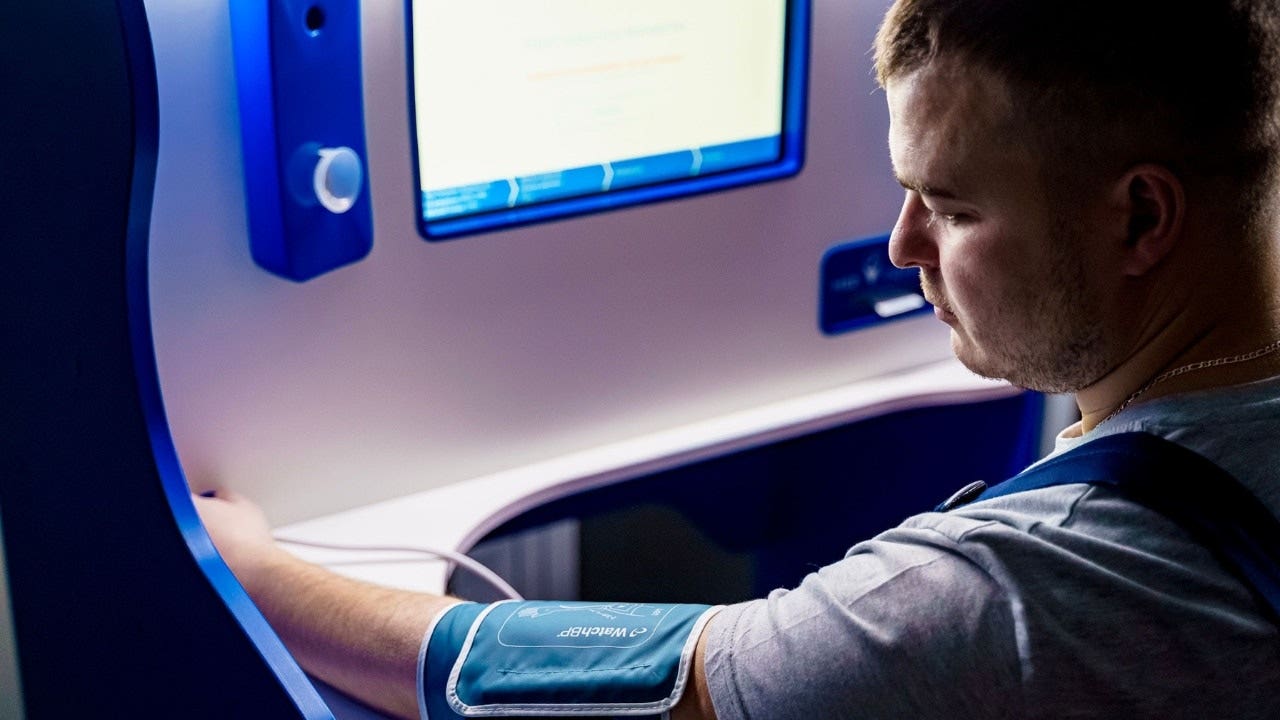

Concerns regarding privacy in the digital health era are rapidly increasing, particularly regarding the management of sensitive health data by applications linked to home medical devices. As users monitor their blood pressure or glucose levels through various apps, many remain unaware of the intricacies behind data handling, potentially exposing them to privacy breaches. Various federal regulations do not adequately cover most health apps, leading to unauthorized data sharing and exploitation, particularly by scammers capitalizing on this sensitive information.
| Article Subheadings |
|---|
| 1) Understanding Health App Privacy Protections |
| 2) The Actual Use of Your Data by Apps |
| 3) The Risk of Data Brokers in Health Information |
| 4) Scammers and Exploitation of Health Data |
| 5) Steps to Protect Your Health Information |
Understanding Health App Privacy Protections
Many consumers believe that their health data is securely protected under regulations like HIPAA (Health Insurance Portability and Accountability Act). However, this assumption can be misleading. HIPAA primarily safeguards information held by traditional healthcare providers and their partners. Most consumer health apps, especially those users install independently, typically operate outside HIPAA’s coverage. An app may fall under HIPAA regulations only when it manages protected health information on behalf of a covered entity, which is often not the case.
Despite the absence of HIPAA protections, apps can operate under other regulations, such as the FTC’s Health Breach Notification Rule, which addresses breaches of health information. Additionally, state consumer health laws offer certain protections. A notable legislative proposal, the Health Information Privacy Reform Act, aims to extend privacy rights to certain health data outside traditional HIPAA frameworks, but as of now, it remains unpassed.
The implications of these protections are significant; for instance, a simple blood sugar reading could enjoy varied legal protections based on which company has custody of the information. This inconsistency puts users at risk of unauthorized exposure of their sensitive health data.
The Actual Use of Your Data by Apps
Contrary to popular belief, health applications often utilize user data far beyond monitoring vital signs. Recent findings from federal regulators have revealed alarming cases of data sharing. For instance, GoodRx faced a hefty $1.5 million civil penalty for failing to disclose unauthorized sharing of health information to major advertisers like Facebook and Google. Such disclosures allowed companies to target ads to users based on their health data, which many users believed was confidential.
Another high-profile case involved BetterHelp, which settled for $7.8 million after allegations emerged regarding the sharing of user health information. The FTC found that information was involuntarily made accessible to social media platforms like Snapchat and Pinterest for advertising purposes.
These examples highlight a concerning trend: mainstream health services have been caught sharing sensitive user data through standard advertising and analytics tools embedded in their applications. Consequently, users should actively audit their health apps to understand what information is collected, its storage practices, and which third parties receive this data.
The Risk of Data Brokers in Health Information
A major and unsettling concern surrounding health data is the involvement of data brokers who buy and sell sensitive information. Research from Duke University indicated that data brokers readily sell mental health data and other sensitive condition information. Out of 37 contacted brokers, 26 responded, with 11 willing to sell data related to mental health, which included demographic details and specific health conditions.
Examples of this rampant data brokering include instances in California, where regulators fined a company for selling lists containing health information linked to conditions such as Alzheimer’s disease and diabetes. The prices for this data range vastly, indicating a willing market to exploit personal health conditions.
The FTC has also documented various categories used by data brokers that relate to health issues, from pregnancy to diabetes. These practices raise significant privacy concerns, indicating that health information is treated as a commodity, something that can be bought and sold.
Scammers and Exploitation of Health Data
The sensitive health information amassed by apps and brokers presents profuse opportunities for scammers. The targeted strategy that scammers leverage centers around compiling medically profiled lists which allow them to tailor their fraudulent pitches convincingly.
For instance, one common scheme involves scammers posing as Medicare representatives offering free medical supplies related to diabetes. They may ask for Medicare numbers “to process shipments,” which may never arrive, leaving victims vulnerable to potential identity theft and financial fraud.
Such scams become particularly alarming when scammers reference known health conditions. This tactic not only creates a semblance of legitimacy but also manipulates potential victims into discarding their skepticism simply because the caller appears informed about their healthcare details. Being informed of an individual’s specific health needs can significantly elevate the likelihood of successfully perpetrating such frauds.
Steps to Protect Your Health Information
Users concerned about their health information privacy should implement practical measures to safeguard their data. The first step in this process involves shutting off ad tracking on mobile devices. Both Android and Apple devices offer settings where users can limit ad tracking, offering an initial layer of protection against unauthorized data collection.
Next, within each health app, users should carefully examine settings related to sharing and marketing. Turning off third-party sharing settings can significantly reduce exposure to external entities accessing sensitive health information.
Additionally, users should look for privacy opt-outs associated with their apps. Many companies are now legally obligated to provide options to users to prevent their information from being sold or shared. These measures require active participation from users who should remain diligent in protecting their health data privacy.
Lastly, users should be aware of the red flags in unsolicited phone calls, especially those that inquire about specific health conditions. Validating the legitimacy of such calls is crucial to avoid falling into scams.
| No. | Key Points |
|---|---|
| 1 | Many health apps are not protected by HIPAA regulations. |
| 2 | Federal regulators have identified cases of unauthorized data sharing by health apps. |
| 3 | Data brokers collect and resell sensitive health information, increasing privacy risks. |
| 4 | Scammers leverage health data to execute convincing fraudulent offers. |
| 5 | Users can take steps to protect their health information by reviewing app settings. |
Summary
The complexities surrounding the privacy of health data collected through apps are vast, with significant implications for users. While many individuals trust that their health data is protected, the reality is that numerous health applications operate outside regulatory oversight, leading to potential breaches and exploitation. Users must take proactive steps to safeguard their sensitive information, auditing their health apps and being cautious of unsolicited inquiries that reference specific health conditions. The importance of understanding how health information is utilized and shared in today’s digital landscape cannot be overstated.
Frequently Asked Questions
Question: How does HIPAA protect health information?
HIPAA primarily protects health information held by healthcare entities and their partners. Many consumer health apps fall outside HIPAA’s scope.
Question: What is a data broker?
A data broker is a company that collects and sells personal information, including health-related data, often without individuals’ knowledge or consent.
Question: How can I protect my health data?
You can protect your health data by adjusting app settings that enable data tracking and sharing, regularly reviewing privacy policies, and avoiding unsolicited offers related to your health conditions.
