

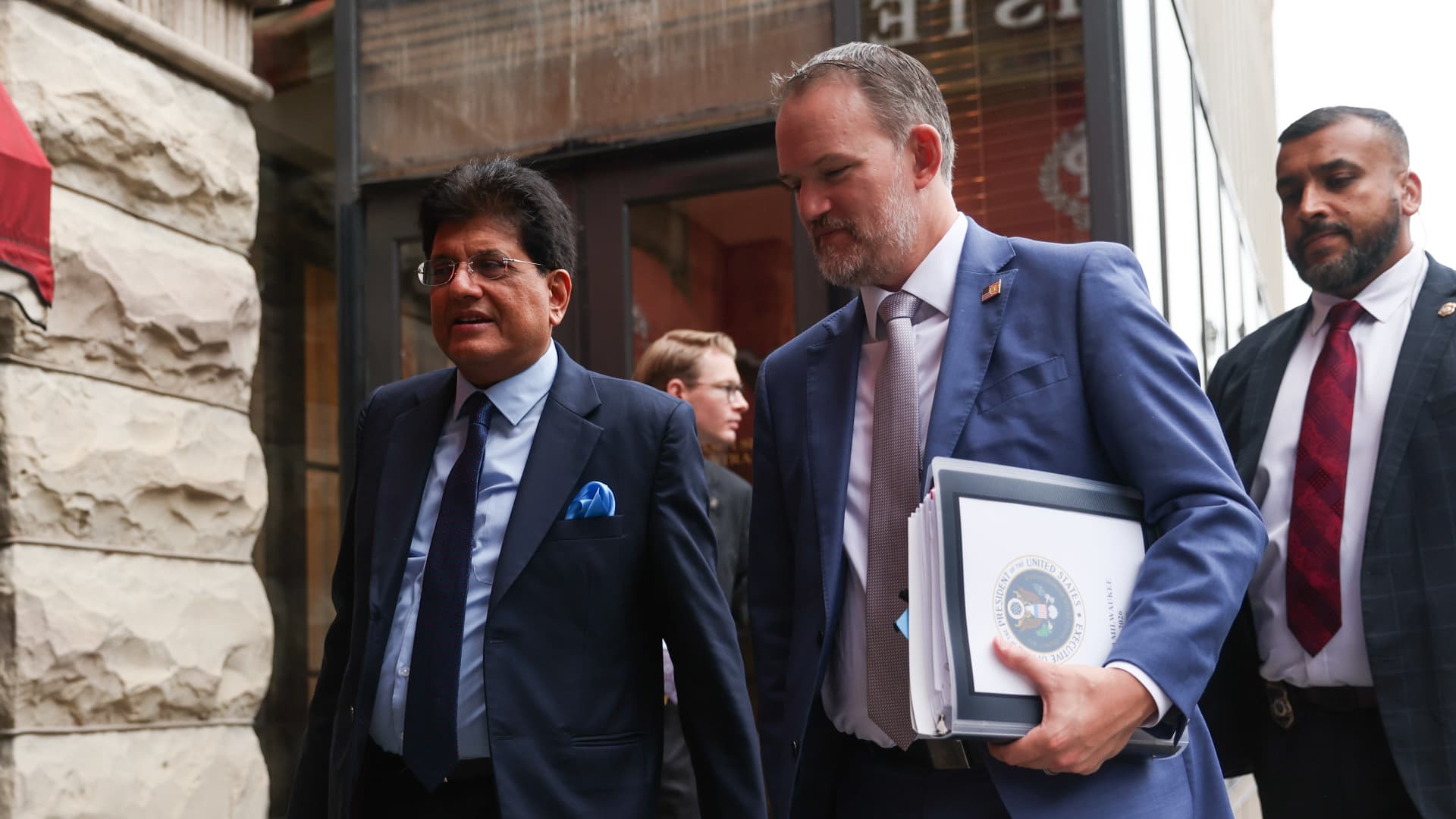

In a recent update on U.S.-India trade negotiations, U.S. Trade Representative Jamieson Greer indicated that an agreement is unlikely to materialize in the near future. His comments came in light of ongoing discussions with Indian Commerce Minister Piyush Goyal, who remains optimistic about reaching a mutually beneficial interim agreement. The complexities surrounding key sticking points, particularly India’s purchase of Russian oil and the agricultural sector’s protectionism, continue to hinder progress between the two nations.
| Article Subheadings |
|---|
| 1) Overview of Current Trade Talks |
| 2) Key Points of Tension |
| 3) Implications of U.S. Tariffs |
| 4) Technological and Defense Discussions |
| 5) Future Outlook for Bilateral Relations |
Overview of Current Trade Talks
The discourse surrounding U.S.-India trade relations remains fraught with complexities as both nations strive for a resolution. Recently, Jamieson Greer, the U.S. Trade Representative, communicated the lack of immediacy concerning a deal with India, emphasizing the intricate particulars that are still unresolved between the two countries. This was underscored following a productive phone call between U.S. President Donald Trump and Indian Prime Minister Narendra Modi, which focused on multiple areas such as trade, defense, and energy security. Notably, both leaders acknowledged their commitment to enhancing bilateral ties, yet the absence of a clear path towards an agreement remains palpable.
Amid ongoing negotiations, Piyush Goyal presented a contrasting viewpoint, expressing hope for an early conclusion of a mutually beneficial interim agreement. As discussions move forward, it is clear that while the intentions to solidify trade partnerships exist, the obstacles present in the form of challenging points of contention continue to loom large. The fluctuating political landscapes of both nations and their respective priorities will inevitably shape the outcome of these negotiations.
Key Points of Tension
Among the most pronounced issues influencing trade talks between the United States and India is India’s importation of Russian oil, which has generated considerable friction. Following a phone dialogue between Modi and Trump, Greer expressed concerns that India’s ongoing energy relationships might undermine collaborative efforts made towards striking a trade deal. These concerns are amplified by the American administration’s stance, which perceives India’s action as counterproductive to U.S. interests amidst the ongoing conflict in Ukraine.
As India intensifies its reliance on Russian oil to secure its energy needs – a necessity exacerbated by the geopolitical turmoil stemming from the Iran conflict – U.S. officials have labeled this as a significant factor complicating negotiations. Meanwhile, India asserts that its energy security dictates its purchases, maintaining its independence in foreign policy decisions despite external pressure. Thus, the prioritization of agricultural sector protections within India remains a considerable balancing act in the overall negotiation process.
Implications of U.S. Tariffs
The introduction of punitive tariffs by the U.S. government marks a turning point in U.S.-India trade relations. Last August, the U.S. imposed a 25% duty on Indian imports due to its oil transactions with Russia, further escalating to a total import duty of 50% in the context of ongoing geopolitical tensions. More recently, duties were lowered to 18%, yet the negotiation atmosphere remains tense as New Delhi did not agree to terms laid out by President Trump regarding future oil purchases.
The re-imposition of hefty tariffs has not only affected the flow of goods between the two nations but has also raised concerns about the competitiveness of Indian exports in the U.S. market. Currently, Indian shipments to the U.S. face an additional 10% tariff as a result of investigations into forced labor practices across nations, compounding the economic challenges faced by Indian exporters. Key sectors, such as pharmaceuticals and smartphones, have been partially sheltered from these tariffs, although the broader impact on trade dynamics cannot be overlooked as both parties navigate their differences.
Technological and Defense Discussions
In addition to trade disputes, the two nations engaged in conversations about defense procurement and technological collaborations. The discussions have extended beyond mere trade, encompassing topics concerning international security and regional stability. Both nations recognize the importance of cooperating on defense, particularly in the Indo-Pacific region, where geopolitical adversities compound the need for strengthened alliances.
During his visit, Goyal held meetings with key officials and participated in the G20 trade ministers’ meeting, reiterating that the comprehensive engagement extends beyond just economic modalities. The alignment of technological ambitions between the U.S. and India reflects an understanding that defense ties are intrinsically linked to trade agreements, aiming to establish a cohesive framework that allows for innovation and resource sharing.
Future Outlook for Bilateral Relations
As the negotiations persist, prospects for a successful trade agreement remain uncertain. Analysts caution that as of now, both nations may reach the limits of their trade complementarities unless substantial compromises are made. Challenges remain; neither side appears willing to concede ground, leaving the dialogue volatile and seemingly unable to pivot towards a conclusive agreement.
Bilateral relations are likely to continue fluctuating as both sides grapple with pressing domestic and geopolitical pressures. Key constituents like trade unions and business associations in both countries are closely monitoring the negotiations, anticipating a positive outcome that balances the interests of both economic landscapes. As such, the future of U.S.-India trade relations will largely depend on how effectively both parties can navigate their respective priorities while finding common ground.
| No. | Key Points |
|---|---|
| 1 | U.S. and India negotiations are ongoing but face significant hurdles. |
| 2 | India’s reliance on Russian oil erratically influences negotiations. |
| 3 | High tariffs imposed by the U.S. create complications for Indian exports. |
| 4 | Technological cooperation is being explored alongside trade discussions. |
| 5 | The ability to reach a compromise is crucial for the future of trade relations. |
Summary
The ongoing trade negotiations between the U.S. and India reflect a delicate balance of interests that continue to challenge both nations. With key issues such as oil imports and tariffs significantly impacting discussions, both sides must find common ground to advance the dialogue successfully. As geopolitical tensions loom large, the ability of both parties to protect their domestic priorities while fostering a collaborative environment will ultimately determine the trajectory of U.S.-India relations.
Frequently Asked Questions
Question: What are the main sticking points in U.S.-India trade negotiations?
The main sticking points include India’s importation of Russian oil and agricultural sector protections, which conflict with U.S. expectations for trade agreements.
Question: What has been the impact of U.S. tariffs on Indian goods?
The U.S. imposed tariffs have created competitive disadvantages for Indian exports, with current duties affecting various sectors, adding complexity to negotiations.
Question: How do defense and technological discussions fit into trade negotiations?
Both nations see defense and technology as integral to broader trade discussions, recognizing that sustainable partnerships in these areas can enhance mutual economic and security interests.
