

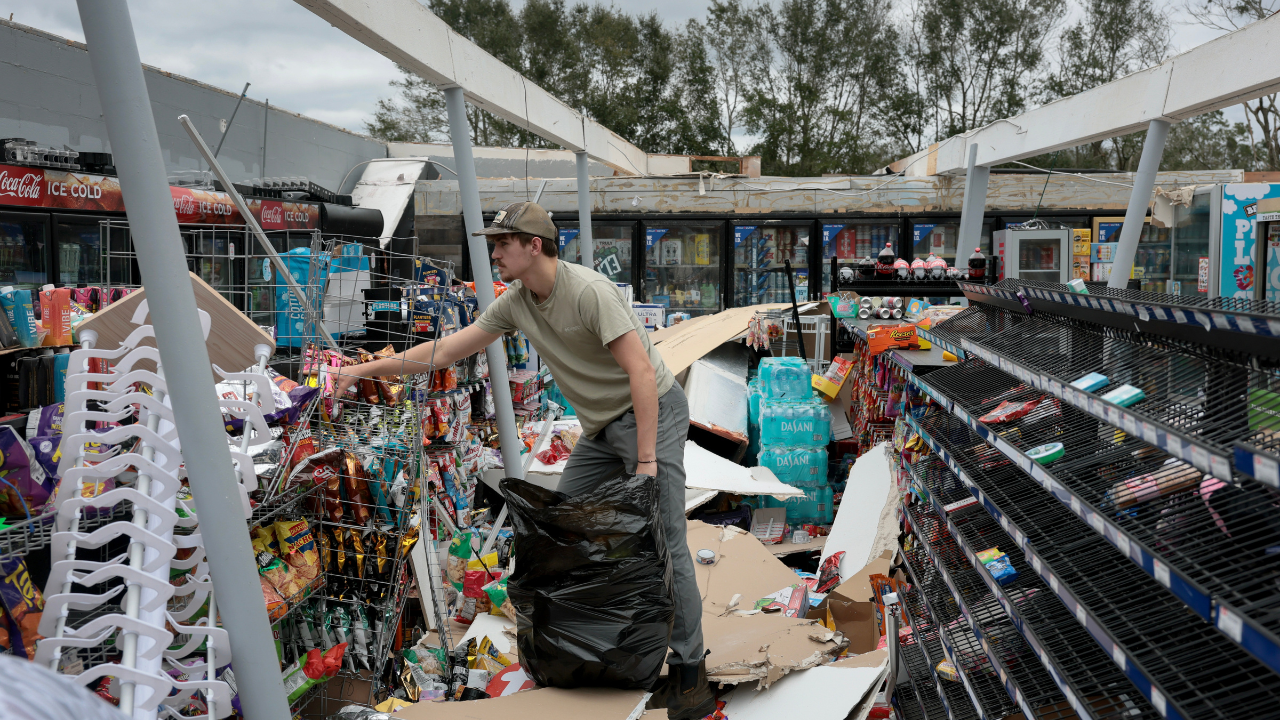

Hurricane Isaias made landfall on October 9, 2026, causing extensive destruction across the Florida Panhandle, particularly around Destin. With maximum sustained winds of 105 mph, the storm left over a million people without power and damaged countless homes as it swept through the region. As the cleanup begins, local officials and volunteers are working tirelessly to aid affected residents in recovery efforts and debris removal.
| Article Subheadings |
|---|
| 1) Hurricane Isaias Hits the Florida Panhandle |
| 2) Widespread Damage and Power Outages |
| 3) Community Response and Recovery Efforts |
| 4) State and Federal Government Involvement |
| 5) The Future: Preparing for Hurricane Season |
Hurricane Isaias Hits the Florida Panhandle
Hurricane Isaias made landfall near Destin, Florida, on the evening of October 9, 2026. The storm, classified as a Category 2 hurricane, had maximum sustained winds recorded at 105 mph. The hurricane developed in the Gulf of Mexico, initially drawing concerns due to an unusual quiet Atlantic hurricane season earlier that year. Just a few days prior, meteorologists were monitoring the storm’s progress as it approached the coastline. The National Hurricane Center had been issuing warnings and alerts to residents of the impending danger, noting the potential for high winds and flooding.
Widespread Damage and Power Outages
In the aftermath of Hurricane Isaias, communities across the Florida Panhandle faced severe impacts. The hurricane uprooted trees, tore roofs off buildings, and led to significant structural damage. Many homes experienced flooding, rendering them uninhabitable as residents begin to assess the destruction. Reports indicated that at least 1 million people across Florida and Alabama were left without power, as utility companies scrambled to restore services in the wake of the storm. By the morning following the hurricane, emergency management teams were deployed to assess damage and prioritize restoration efforts.
Community Response and Recovery Efforts
As communities grappled with the aftermath, local residents mobilized to assist one another in recovery. Volunteers from organizations, including the United Cajun Navy, played a pivotal role in the cleanup efforts. Many residents opened their homes and offered assistance to those most affected by the storm. Citizens collaborated with local authorities to clear roads and remove debris, creating a unified response to the disaster. Neighborhoods shared resources, with food and water distribution centers set up to assist those in need while damage assessments continued. Community spirit shone brightly amidst the destruction as residents committed to supporting their friends and neighbors.
State and Federal Government Involvement
In response to the devastation, state officials initiated emergency protocols to facilitate recovery. Florida Governor reiterated the commitment of the state to aid affected communities, stating that disaster relief efforts would focus on restoring essential services and assisting displaced residents. The state deployed emergency response teams equipped with heavy machinery to clear roadways and restore access to transportation. Additionally, federal agencies were put on alert to support recovery efforts as the situation warranted. Disaster declarations were anticipated to streamline recovery funding and resources to the affected areas as assessments of the damage unfolded.
The Future: Preparing for Hurricane Season
As recovery efforts are underway, residents are urged to remain vigilant as the 2026 hurricane season continues. Meteorologists warn that unusual weather patterns may lead to more storms developing in the coming weeks. Local officials and disaster preparedness organizations are emphasizing the importance of emergency preparedness, urging people to stock up on essential supplies and maintain updated contact information for emergency services. Educational initiatives are being planned to help residents understand how to create emergency kits and establish communication plans with family members. With the memory of Hurricane Isaias fresh in their minds, communities are taking proactive steps to be better equipped for future storms.
| No. | Key Points |
|---|---|
| 1 | Hurricane Isaias made landfall in Florida on October 9, 2026. |
| 2 | The storm left over a million customers without power. |
| 3 | Volunteers and local organizations mobilized to assist in recovery efforts. |
| 4 | State and federal governments are involved in the disaster response. |
| 5 | Residents are encouraged to prepare for potential future storms. |
Summary
The impact of Hurricane Isaias has reverberated throughout Florida, leaving communities to face significant challenges as they begin recovery efforts. With widespread power outages and damage to homes and infrastructure, residents have come together to support one another. As the state and federal governments step in to assist, the focus remains on restoring essential services. Looking forward, the emphasis on preparedness is vital as hurricane season continues, reminding all to be vigilant in the face of unpredictable weather patterns.
Frequently Asked Questions
Question: What caused Hurricane Isaias to form?
Hurricane Isaias formed due to meteorological conditions in the Gulf of Mexico, fueled by warm water and atmospheric instability.
Question: How are recovery efforts being coordinated in the affected areas?
Local governments, volunteers, and non-profit organizations are collaborating to coordinate recovery efforts, focusing on clearing debris and restoring essential services.
Question: What can residents do to prepare for future hurricanes?
Residents are encouraged to create emergency plans, stock up on supplies, and stay informed through local news and weather services about potential storms.
