

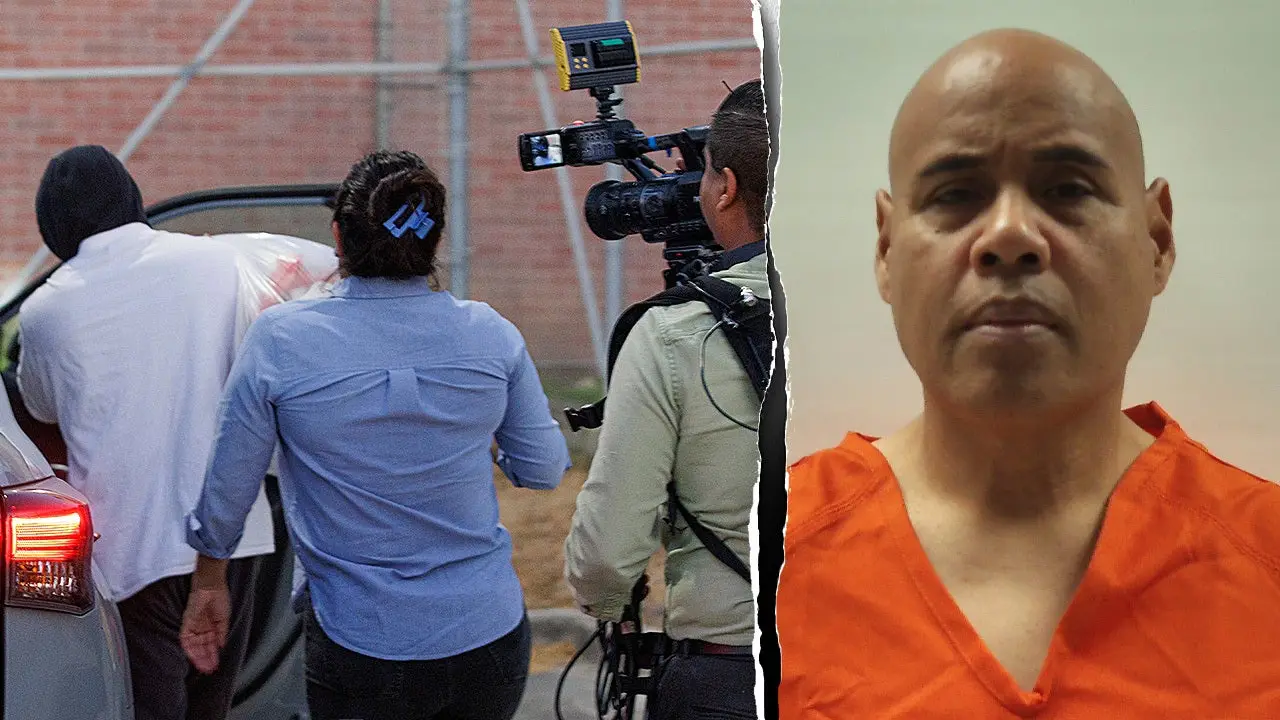

In a significant legal development, a U.S. Immigration and Customs Enforcement (ICE) officer, Christian Castro, has been released after a federal judge blocked Minnesota’s attempt to extradite him from Texas. This judicial decision stems from charges related to a shooting incident involving a Venezuelan migrant, Julio Cesar Sosa-Celis, which occurred in January during a controversial operation aimed at tackling illegal immigration. As the situation evolves, Texas officials, including Governor Greg Abbott, are navigating the complexities of extradition law amidst allegations that Castro materially misrepresented his actions during the incident.
| Article Subheadings |
|---|
| 1) Overview of the Incident |
| 2) Legal Proceedings and Charges |
| 3) The Context of the Shooting |
| 4) Implications of Extradition |
| 5) Reactions and Future Developments |
Overview of the Incident
On the 14th of January, a significant incident occurred in Minneapolis involving Christian Castro, an ICE officer, who shot Julio Cesar Sosa-Celis, a Venezuelan national, in the leg. The altercation began when Castro and his partner attempted to intercept a vehicle believed to be connected with illegal activities, leading to a foot chase involving multiple individuals. At the culmination of the pursuit, Castro fired a shot through the front door of a nearby apartment where Sosa-Celis had sought refuge, injuring him.
Witnesses present during the shooting included two young children and two women, raising immediate concerns about the conduct of law enforcement in executing operations that could put civilians at risk. In the weeks following the incident, Castro was implicated in a legal siege revolving around his assertions to investigators, leading to his eventual arrest in Texas as the Minnesota authorities sought to apprehend him under their jurisdiction.
Legal Proceedings and Charges
The legal proceedings against Christian Castro began unfolding in earnest when he turned himself in to authorities on Thursday evening prior to a federal court appearance the following day. During this court session, Castro faced six charges for allegedly providing false information to investigators concerning the events of the shooting. Federal court documents made public on Friday outlined serious allegations that would determine the narrative of the incident that day in January.
As he appeared in a Texas federal court, Castro maintained a plea of not guilty to the charges. The presiding judge, however, ordered him released on a $75,000 unsecured bond, as part of the conditions of his release stipulated that he must wear an ankle monitor to ensure compliance with legal proceedings. This legal insulation offers Castro some respite amid allegations that could potentially lead to severe criminal penalties should he be ultimately judged culpable.
The Context of the Shooting
The shooting incident occurred in the midst of a heightened crackdown on illegal immigration, known as Operation Metro Surge. This controversial operation was part of an agenda initiated during the Trump administration aimed at curtailing illegal entry into the United States. The backdrop of this incident highlighted escalating tensions in Minneapolis related to immigration enforcement, with implications that extend beyond state borders.
According to investigative reports, Castro claimed in the wake of the shooting that he faced a violent confrontation, alleging he was attacked by multiple assailants wielding tools like a broom and a snow shovel. Castro’s narrative described a desperate situation where he was allegedly forced to shoot while on the ground. However, this assertion was later counteracted by video evidence that contradicted his claims. Prosecutors argued that he shot while standing, and that the physical struggle lasted only seconds, not the several minutes Castro had described. This evidence is crucial in establishing the truth of the events surrounding the incident and adds a layer of complexity to the investigation.
Implications of Extradition
As the legal battle escalated, Governor Greg Abbott of Texas asserted his administration’s refusal to extradite Castro to Minnesota to face charges there. This refusal raised multiple legal and political questions about the jurisdictional authority of states and the rights of law enforcement officials implicated in actions taken during their duties. Minnesota officials have expressed their desire to prosecute the case in their jurisdiction, but Abbott’s intervention complicates the overarching framework of cross-state legal proceedings.
Legal experts have begun to weigh in on the ramifications of this situation, noting that it could set a precedent for similar cases involving law enforcement officers charged with misconduct during immigration enforcement actions. The complexities of extradition law may create a larger debate on the balance between local enforcement actions and federal accountability, as well as the protection afforded to officers acting under the direction of federal policies.
Reactions and Future Developments
Public and official reactions to the incident have been polarized, illustrating the complex sentiments surrounding immigration enforcement in the U.S. Advocates for immigrant rights are calling for accountability in cases of excessive force used by law enforcement, particularly emphasizing the need for transparency and justice for victims of such incidents. Conversely, supporters of ICE and law enforcement argue for the necessity of assertive measures to maintain order and adherence to immigration laws.
Moving forward, the case against Christian Castro will undoubtedly garner significant media attention as more information becomes available through ongoing investigations. The tension surrounding this case may fuel wider discussions about law enforcement practices in the context of immigration, setting the stage for extensive public discourse about police conduct and the treatment of undocumented migrants in America.
| No. | Key Points |
|---|---|
| 1 | ICE officer Christian Castro is charged with lying to investigators about a shooting incident. |
| 2 | The shooting involved a Venezuelan migrant, Julio Cesar Sosa-Celis, who was injured during a police operation on January 14. |
| 3 | Governor Greg Abbott of Texas has blocked attempts to extradite Castro to Minnesota for prosecution. |
| 4 | Video evidence contradicts Castro’s claims about the circumstances of the shooting. |
| 5 | The case highlights ongoing tensions over immigration enforcement and police conduct in the U.S. |
Summary
The unfolding case of Christian Castro presents complex legal and ethical implications about immigration enforcement and police accountability. With the backdrop of a contentious political climate regarding immigration practices, the legal intricacies of this case may spark far-reaching discussions on the adequacy of law enforcement methods, the judiciary’s role in ensuring justice, and the treatment of migrants in the U.S. This incident not only reflects individual actions at the heart of the case but also exemplifies larger systemic issues that merit attention and discourse.
Frequently Asked Questions
Question: What are the charges against Christian Castro?
Christian Castro faces six charges for allegedly making materially false statements to investigators regarding the shooting of a Venezuelan migrant.
Question: What is the significance of the video evidence in this case?
The video evidence contradicts Castro’s claims of being on the ground during the shooting and suggests he was standing when he fired, impacting the legal narrative of the incident.
Question: Why has Governor Greg Abbott refused to extradite Castro to Minnesota?
Governor Abbott’s refusal to extradite Castro involves disputes over jurisdiction and the implications for law enforcement officers facing misconduct allegations, particularly in the context of immigration enforcement operations.
