

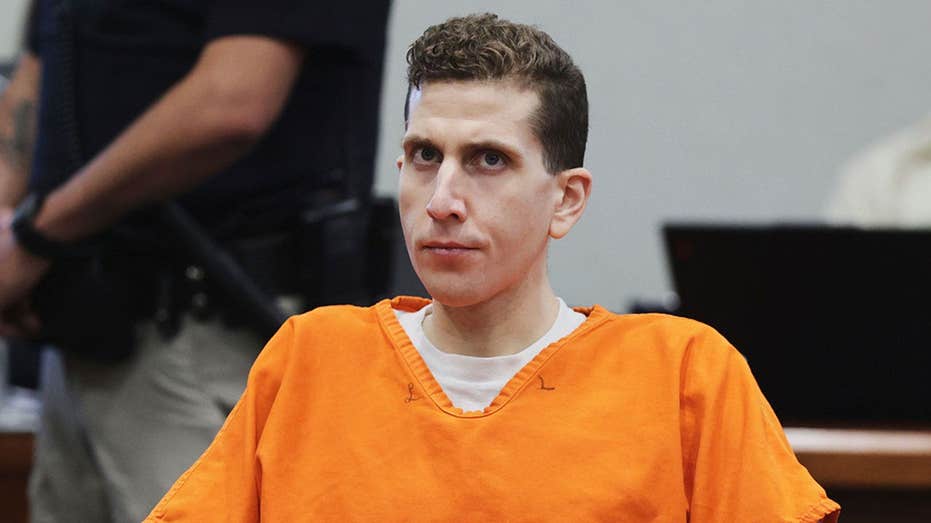

Bryan Kohberger may not receive the evidentiary hearing tentatively scheduled for June 2027 as Idaho prosecutors seek dismissal of his post-conviction petition. Judge Steven Hippler has established deadlines for the case but stated that the hearing will occur only if one is granted. Prosecutors argue that Kohberger’s claims of ineffective counsel, coercion and an involuntary guilty plea lack admissible supporting evidence. Kohberger pleaded guilty in 2025 to killing four University of Idaho students and avoided the death penalty under a plea agreement.
| 1) | Tentative schedule for a possible hearing |
| 2) | Prosecutors challenge the petition |
| 3) | Kohberger’s allegations about his plea |
| 4) | Upcoming filings and evidence deadlines |
| 5) | What could happen next |
Tentative schedule for a possible hearing
Judge Steven Hippler issued a scheduling order outlining how the post-conviction case may proceed in Idaho. The order tentatively sets a status conference for June 3, 2027, and an evidentiary hearing for June 17, 2027, at 9 a.m. However, the hearing is conditional. The judge wrote that it would be scheduled only if an evidentiary hearing is granted after the parties’ filings and the court’s review.
The parties have 14 days from the public release of the order to request changes. The court could also move the hearing earlier to resolve scheduling disputes, meaning the current June dates do not guarantee that testimony will be heard.
Prosecutors challenge the petition
Deputy Latah County Prosecuting Attorney Keith Scholl asked the court to dismiss Bryan Kohberger’s petition without an evidentiary hearing. The state contends that the filing does not raise a genuine issue of material fact and that Idaho is entitled to judgment as a matter of law.
Prosecutors described the claims as unsupported and argued that Kohberger could have raised alleged constitutional violations through an appeal. They also pointed to the plea agreement, which included a waiver of appellate rights. The state further argued that a standalone claim of actual innocence is not recognized under the law and that defense counsel was not required to explain every condition of prison life or potential collateral consequence of a guilty plea.
“The petition fails to raise a genuine issue of material fact, and respondent is entitled to judgment as a matter of law.”
Kohberger’s allegations about his plea
In a handwritten petition filed in July, Kohberger alleged that his legal representation was ineffective and that his guilty plea was not knowingly or voluntarily entered. He claimed it resulted from unkept promises and threats allegedly made by members of his legal team.
The allegations concern his July 2, 2025, change-of-plea hearing. Prosecutors asked the judge to obtain a transcript so Kohberger’s own statements from that proceeding can be compared with his current claims. According to the state, Kohberger answered “no” when asked whether anyone had forced or coerced him into accepting the agreement or made promises that affected his decision. He also affirmed that he was able to make a reasoned and informed choice.
Upcoming filings and evidence deadlines
The scheduling order gives Kohberger until Nov. 13 to submit an amended petition. The date falls four years after the Nov. 13, 2022, killings of University of Idaho students Madison Mogen, Kaylee Goncalves, Xana Kernodle and Ethan Chapin in Moscow, Idaho.
Once an amended petition is filed, the state will have 14 days to respond. If no amended petition is submitted, the state’s response will be due 14 days after the filing deadline. Kohberger must disclose witnesses, expert reports and opinions by Feb. 1, 2027. The state’s rebuttal expert disclosures are due March 1, and discovery must be completed by May 7.
What could happen next
The immediate issue is whether the court dismisses the petition or finds that Kohberger has presented enough factual support to justify further proceedings. If the petition is dismissed, the tentative 2027 evidentiary hearing would not take place under the current schedule. If the case survives, the parties would proceed with discovery, expert disclosures and preparation for a possible hearing.
Kohberger pleaded guilty last year to four counts of first-degree murder and one felony burglary charge. The plea agreement spared him the death penalty and resulted in a 2025 sentencing hearing. Any decision on his request to withdraw the plea would therefore depend on the court’s assessment of his allegations, the plea record and the applicable post-conviction standards.
| No. | Key Point |
|---|---|
| 1 | Idaho prosecutors want Kohberger’s petition dismissed without a hearing. |
| 2 | A June 17, 2027, evidentiary hearing is tentative, not guaranteed. |
| 3 | Kohberger alleges ineffective counsel, coercion and unkept promises. |
| 4 | The state plans to use the 2025 plea transcript to challenge those claims. |
| 5 | The next major deadline is Kohberger’s Nov. 13 amended-petition deadline. |
Summary
The court has created a timetable for Kohberger’s post-conviction case, but the schedule does not establish that an evidentiary hearing will occur. Prosecutors argue that his petition is legally and factually insufficient, while Kohberger seeks to challenge the validity of his guilty plea. The judge’s ruling on the petition and the parties’ upcoming filings will determine whether the case advances toward the tentative 2027 dates.
Frequently Asked Questions
Is Bryan Kohberger guaranteed an evidentiary hearing in June 2027?
No. Judge Steven Hippler stated that the hearing will occur only if the court grants an evidentiary hearing. Prosecutors are seeking dismissal.
What does Kohberger claim in his petition?
He alleges ineffective legal counsel and says his guilty plea was affected by unkept promises and threats. He also contends that the plea was not knowingly or voluntarily entered.
What is the next major deadline?
Kohberger must file an amended petition by Nov. 13. The state will then have 14 days to respond, or 14 days from that deadline if no amended petition is filed.
