

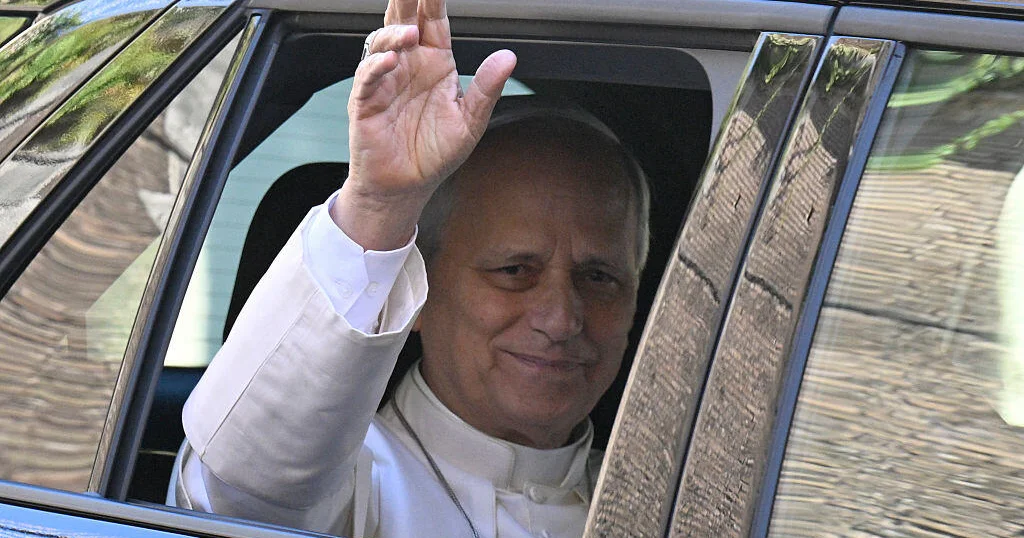

Pope Leo XIV has been diagnosed with lung adenocarcinoma following successful surgery at Rome’s Gemelli University Hospital. The 71-year-old pontiff underwent a procedure to remove a nodular lesion from his right lung, with the Vatican stating the operation encountered no complications. As details surrounding his health emerge, questions linger regarding further treatment and the potential impact on his upcoming scheduled engagements.
| Article Subheadings |
|---|
| 1) Overview of the Diagnosis |
| 2) Details of the Surgical Procedure |
| 3) Implications for the Pontiff’s Health |
| 4) Family Context and Support |
| 5) Cardinal Response and Future Outlook |
Overview of the Diagnosis
Pope Leo XIV’s recent diagnosis of lung adenocarcinoma was officially reported by the Vatican following a surgical operation that targeted a nodular lesion found in his right lung. On Tuesday, the pontiff, who is known for his active lifestyle, received the concerning news that the cancer diagnosis was confirmed during the procedure. The Vatican has not disclosed the stage of cancer nor whether it has metastasized, which leaves many uncertainties regarding his overall health and future treatments.
The Vatican noted that the pope’s surgery had been successful, with no complications observed during or after the invasive procedure. Yet, the lack of specific details about his cancer stage and treatment options leads to questions from both the public and health professionals about the best path forward for the pontiff.
Details of the Surgical Procedure
The surgical procedure lasting 90 minutes was carried out at Gemelli University Hospital, a facility that has historically catered to popes during medical emergencies. According to reports, the operation involved the removal of the lower lobe of the right lung utilizing a video-assisted technique to ensure a thorough extraction of the affected area.
With the pope being in the operating room for around three hours, the skill and efficiency of the medical team were commendable. The surgery was spearheaded by Dr. Stefano Margaritora, the chief thoracic surgeon at Gemelli. In the Vatican’s announcement, intraoperative histological examination confirming the diagnosis of pulmonary adenocarcinoma suggested that pre-operative assessments were accurate. The precision of this procedure reflects the advanced methodologies applied in surgical oncology today.
Implications for the Pontiff’s Health
The announcement of Pope Leo XIV’s lung cancer diagnosis has brought about heightened concern for his well-being among the faithful and medical professionals alike. Experts are now advocating for additional information on the pathology of the cancer. Questions regarding lymph node involvement and molecular pathology will be key in determining subsequent treatments, including whether chemotherapy or immunotherapy may be necessary moving forward.
The Vatican has canceled the pope’s audiences through October 20, and there are apprehensions surrounding his planned visit to South America, scheduled for November 6. Considering standard medical advice, travel by air is generally discouraged for approximately three weeks following lung surgery. As such, the pontiff’s participation in the trip may hinge upon his recovery pace and doctor’s recommendations.
Family Context and Support
Adding another layer of complexity to the situation, it has been reported that Louis Prevost, Pope Leo XIV’s older brother, is battling multiple myeloma, a type of blood cancer. His wife, Deborah Prevost, revealed that her husband is currently undergoing treatment and participating in a clinical trial. This familial connection in health struggles forms a poignant backdrop as Pope Leo contends with his cancer diagnosis.
While Deborah Prevost did not elaborate on the specifics of the pope’s condition, she acknowledged that both brothers had spoken recently, sharing encouragement and support as they navigate their respective health challenges. The intersection of faith, family, and health creates a narrative of resilience amidst adversity.
Cardinal Response and Future Outlook
In light of these challenges, Vatican protocol will initiate procedures for the pope’s cardinals and aides to step in and manage his responsibilities as needed. Esteemed theologians and church officials anticipate that despite the illness, Pope Leo XIV will strive to continue his role as a spiritual leader. Historical precedents, such as those set by previous popes who remained active under difficult health circumstances, serve as guiding examples.
The global community remains cognizant of the complexities the pope faces. Specialists have expressed the need for detailed pathology reports to inform the best course of treatment. As health professionals place their focus on resolving the immediate effects of the cancer, the pope’s outreach and connection with the Catholic community will continue to be paramount.
| No. | Key Points |
|---|---|
| 1 | Pope Leo XIV diagnosed with lung adenocarcinoma following surgery for a lung lesion. |
| 2 | Surgery involved the video-assisted removal of the right lung’s lower lobe. |
| 3 | Further treatment details remain unclear; additional tests needed to guide next steps. |
| 4 | Pope Leo’s brother, Louis, is also undergoing treatment for multiple myeloma. |
| 5 | The Vatican has suspended papal audiences until further notice, creating uncertainty around engagements. |
Summary
As Pope Leo XIV contends with a newly diagnosed lung cancer, this significant medical event underscores the challenges faced by one of the world’s foremost religious leaders. While his surgery showed favorable outcomes, the uncertainty of his health trajectory and the protocols for managing his duties create a profound moment for reflection and compassion among followers. The communal prayer and support from various quarters demonstrate the intertwining of faith and healing, affirming the need for vigilance and hope in the face of adversity.
Frequently Asked Questions
Question: What is lung adenocarcinoma?
Lung adenocarcinoma is the most common type of lung cancer, accounting for approximately 40% of all lung cancer cases. It originates in the glandular cells of the lungs and is known to spread more slowly compared to other forms of lung cancer.
Question: What symptoms are associated with lung cancer?
Common symptoms of lung cancer may include fatigue, shortness of breath, persistent coughing, upper back pain, and chest pain. Early detection can significantly impact treatment outcomes.
Question: How does the diagnosis of a nodular lesion relate to lung cancer?
A nodular lesion is often an early indicator of potential lung cancer. While many nodules are noncancerous, they require further examination to ascertain if they are malignant, which may lead to early-stage lung cancer diagnosis and subsequent treatment.
