

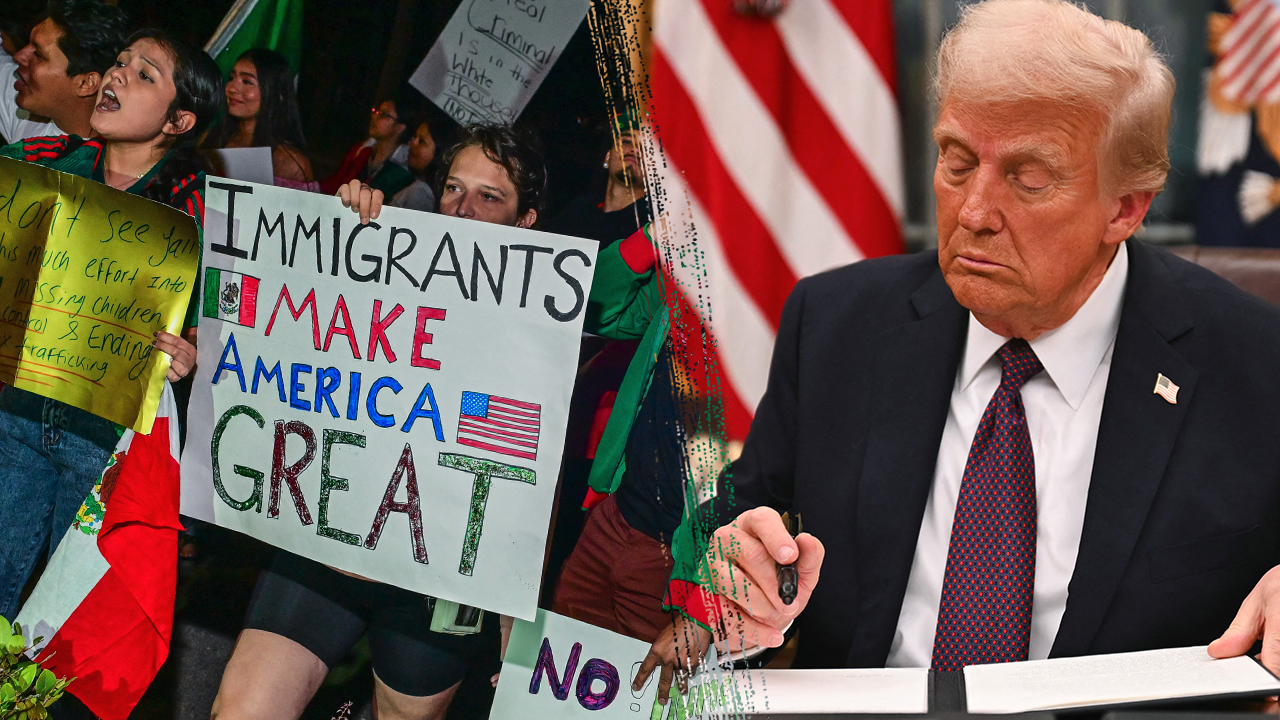

A recent ruling by a federal judge in Massachusetts has blocked the Trump administration’s attempts to end Temporary Protected Status (TPS) for Somalia. U.S. District Judge Allison Burroughs issued an administrative stay following a revised lawsuit that alleged violations of constitutional rights. The decision comes on the heels of similar terminations for TPS designations for Ethiopia and South Sudan being overturned by an appellate court.
| Article Subheadings |
|---|
| 1) Overview of the TPS Ruling |
| 2) Details of the Legal Arguments |
| 3) Responses from State Officials |
| 4) Impacts on Somali Nationals |
| 5) Future Implications for TPS |
Overview of the TPS Ruling
On a recent Friday, U.S. District Judge Allison Burroughs maintained the Temporary Protected Status (TPS) for Somalia by issuing an administrative stay. This move came after African Communities Together and other plaintiffs successfully filed an amended lawsuit challenging the Trump administration’s decision to revoke TPS for Somalia. The plaintiffs argued that this termination was based on racial and national-origin discrimination in violation of the Fifth Amendment.
The ruling follows a broader trend where courts have started to re-evaluate the Trump administration’s immigration policies. The latest decision is pivotal since it counteracts a previous Supreme Court ruling, which limited lower courts’ power to block TPS terminations based on non-constitutional claims.
Details of the Legal Arguments
The plaintiffs in this case contend that the decision to terminate TPS for Somalia was not only premature but also evidence of systemic bias. In their amended complaint, they cite a social media post by former President Donald Trump from November 2025, where he indicated the termination of TPS months before the Department of Homeland Security (DHS) conducted a thorough review.
One crucial argument emphasizes that this decision deprived Somali TPS holders of due process rights under the Fifth Amendment. By asserting that the outcome was preordained, the plaintiffs argue that the authorities failed to adhere to legal protocols, ultimately disenfranchising a vulnerable demographic.
The lawsuit also points to Trump’s past derogatory remarks about Somali immigrants, suggesting that these statements reflect an underlying racial bias in the administration’s decision-making process. The plaintiffs assert that these declarations paint a clear picture of the administration’s discriminatory motivations against Somali nationals.
Responses from State Officials
In light of the ruling, reactions from state officials have been mixed. James Percival, General Counsel for the DHS, has been vocal about the decision. He criticized the ruling as an example of judicial overreach, claiming it demonstrated a pattern of defiance against higher court rulings.
Iowa Solicitor General Eric Wessan echoed these sentiments, arguing that Judge Burroughs’ latest order improperly granted emergency relief despite the allegedly weak legal grounds for the claim. He referred to the administrative stay as turning the law “upside down” and urged the judge to reconsider her position after a detailed review.
The DHS’s criticism reflects a growing concern within the administration regarding how lower courts might undermine executive authority through repeated legal challenges. This exchange underscores the contentious nature of immigration law as it evolves in response to executive action.
Impacts on Somali Nationals
For the Somali community in the United States, this ruling offers a temporary reprieve. Somali nationals, who have been under TPS since it was first instituted, can continue to live and work in the U.S. without the constant threat of deportation. Many of these individuals have built lives in America, contributing to their communities and economies.
However, the uncertainty surrounding TPS laws continues to generate anxiety among affected individuals. Many fear that future administrative or judicial decisions could still jeopardize their status. As the legal battles continue, the implications for personal lives and larger immigrant communities remain significant.
While this administrative stay provides temporary security, the overarching fear of TPS termination looms large, raising questions about the future of many other TPS-designated countries beyond Somalia.
Future Implications for TPS
The ongoing litigation regarding TPS for Somalia is likely to set a precedent for future cases involving other countries with similar statuses. Legal experts point out that how this case resolves may influence the government’s ability to terminate TPS for nations like Haiti or El Salvador, which also benefit from deferred deportation protections.
As the judicial landscape evolves, it is clear that the interplay between legislative action and judicial interpretation will continue to shape immigration policy. The heightened scrutiny surrounding TPS cases may prompt calls for more comprehensive immigration reform, as the issues of fairness and equity become increasingly prominent in public discourse.
In conclusion, the ongoing judicial scrutiny and public debate surrounding TPS will likely keep this issue at the forefront of national politics, highlighting systemic challenges faced by immigrant communities across America.
| No. | Key Points |
|---|---|
| 1 | Federal judge blocks termination of TPS for Somalia based on alleged constitutional violations. |
| 2 | Plaintiffs argue the administration exhibited racial bias in revoking TPS protections. |
| 3 | Judicial responses reflect tensions between executive authority and judicial oversight. |
| 4 | Temporary relief provides security for Somali nationals amid ongoing uncertainty. |
| 5 | Future rulings will likely impact TPS status for other immigrant communities across the U.S. |
Summary
The recent ruling by Judge Allison Burroughs regarding Temporary Protected Status (TPS) for Somalia highlights significant issues of racial bias and administrative overreach within immigration policy. As the legal landscape continues to evolve, the implications of this case extend beyond Somali nationals, touching upon broader themes of fairness, equity, and the systemic challenges facing vulnerable immigrant communities in the United States.
Frequently Asked Questions
Question: What is Temporary Protected Status (TPS)?
Temporary Protected Status (TPS) is a temporary immigration status granted to individuals from designated countries affected by ongoing armed conflict, environmental disasters, or extraordinary and temporary conditions, allowing them to live and work in the U.S. without fear of deportation.
Question: Why was TPS for Somalia revoked?
The Trump administration aimed to revoke TPS for Somalia citing improved conditions. However, plaintiffs argue that the decision was based on racial and national-origin discrimination rather than an accurate assessment of the situation on the ground.
Question: How does this ruling affect other TPS-designated countries?
The ruling sets a potential legal precedent that may influence how other TPS cases are handled in the future, particularly for countries like Haiti and El Salvador, which face their own legal challenges regarding TPS status.
