

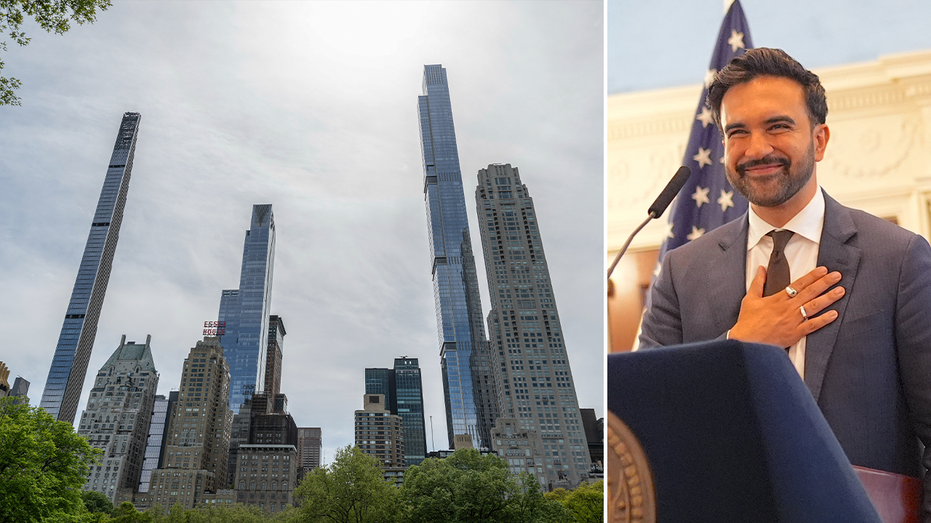

A New York judge has temporarily halted the rollout of New York City’s new surcharge on luxury second homes valued above $5 million. The order blocks the city from relying on a disputed property roll, mailed notices and related enforcement deadlines while the legal challenge proceeds. The case centers on whether the city properly identified non-primary residences before notifying homeowners and shifting the burden to them to seek exemptions.
Judge Wayne Ozzi also ordered officials to remove a list containing the names, addresses and property values of more than 900,000 homeowners. The underlying surcharge remains legally contested, but the judge’s order addresses the administration’s implementation rather than deciding whether the tax itself is valid.
| 1) | Judge pauses the surcharge process |
|---|---|
| 2) | Homeowners challenge the city’s implementation |
| 3) | Court hears sharp arguments over homeowner notices |
| 4) | Mayor’s administration defends the tax and plans appeal |
| 5) | Next court deadlines could determine the rollout |
Judge pauses the surcharge process
On Monday, Wayne Ozzi issued a temporary restraining order against the administration of Mayor Zohran Mamdani. The order prevents City Hall from proceeding on the basis of the disputed supplemental property roll or the notices already mailed to homeowners. It also bars the city from imposing, assessing or collecting the surcharge against people identified on that roll without first making the individualized determination required under state tax law and providing the required notice.
The judge found that the notices could cause irreparable harm and concluded that the plaintiffs were likely to succeed on their claims about the city’s initial process. He emphasized that the ruling was temporary and did not resolve the broader legal question of whether the pied-à-terre surcharge is lawful.
Homeowners challenge the city’s implementation
Three New York City homeowners filed the lawsuit, arguing that the city improperly treated primary residences as potentially subject to the surcharge. Their challenge does not attack the tax’s basic legality. Instead, they contend that officials should have determined first which properties were actually non-primary residences before placing owners on a supplemental roll and sending notices.
Attorney Randy Mastro argued that the city had access to information that could have allowed it to make those determinations itself. He said the process forced homeowners to prove that their properties were primary residences, creating confusion for people who should not have received the notices. Plaintiff Simon Hedley, for example, obtained an exemption after submitting tax information, which Mastro cited as evidence that the city could have performed the review earlier.
Court hears sharp arguments over homeowner notices
The hearing focused on the size and handling of the property roll, which included more than 900,000 names, addresses and property values. Mastro said the publication exposed homeowners to unnecessary scrutiny and described the rollout as deeply flawed. He told the court that many residents were placed on edge by notices suggesting they could owe the surcharge.
City attorney Steven Banks defended the process and argued that stopping it would harm taxpayers seeking exemptions and disrupt the city’s deadlines. The lawyers also clashed over descriptions of the notices and the effect they had on residents.
“The city screwed this up… got it wrong… stop the train and make them do it over,” Randy Mastro told the court.
Banks responded that the city was acting in accordance with the law. Mastro later clarified that his language described how homeowners perceived the notices rather than accusing officials of physical threats.
Mayor’s administration defends the tax and plans appeal
The Mamdani administration said it disagreed with the ruling and remained confident in both the surcharge and its ability to administer it fairly. Spokesperson Matt Rauschenbach said the city’s Law Department would immediately appeal and that the administration intended to continue implementing the measure.
The surcharge targets second homes valued at $5 million or more. Mamdani has argued that the revenue would support city services including safer streets and stronger schools. He has also said that approximately 17,000 homeowners in the city could potentially be affected and pointed to an extension of the deadline for seeking an exemption.
“This surcharge asks those who own second homes valued at $5 million or more to contribute their fair share to the city they benefit from,” Matt Rauschenbach said.
Next court deadlines could determine the rollout
The legal dispute is moving on an expedited schedule. The defense must submit its order to show cause by Aug. 24, plaintiffs must respond by Aug. 27, and oral arguments on the merits are scheduled for Aug. 31. Those proceedings could clarify whether the city must restart its identification and notification process.
The judge said he could not reverse the effect of notices that had already been sent, but he could prevent additional errors while the case continued. The immediate result is a pause in enforcement based on the disputed roll, leaving the administration’s tax policy in place but its current rollout under judicial scrutiny.
| 1 | The judge temporarily blocked enforcement based on the disputed property roll and mailed notices. |
|---|---|
| 2 | The lawsuit challenges implementation procedures, not the surcharge’s underlying legality. |
| 3 | The surcharge concerns second homes worth more than $5 million. |
| 4 | City officials said they would appeal and continue defending the measure. |
Summary
The ruling gives New York City homeowners a temporary procedural victory while preserving the larger dispute over the luxury second-home surcharge. The next hearings will determine whether the city can revise its screening and notification process or must substantially restart the rollout.
Frequently Asked Questions
What did the judge order?
The judge temporarily barred the city from relying on the disputed property roll, mailed notices and related deadlines to enforce the surcharge.
What properties are targeted?
The surcharge applies to second homes valued at more than $5 million, although the lawsuit concerns how potentially affected properties were identified.
What happens next?
The city plans to appeal, while the case will proceed through filings due Aug. 24 and Aug. 27 and oral arguments scheduled for Aug. 31.
