

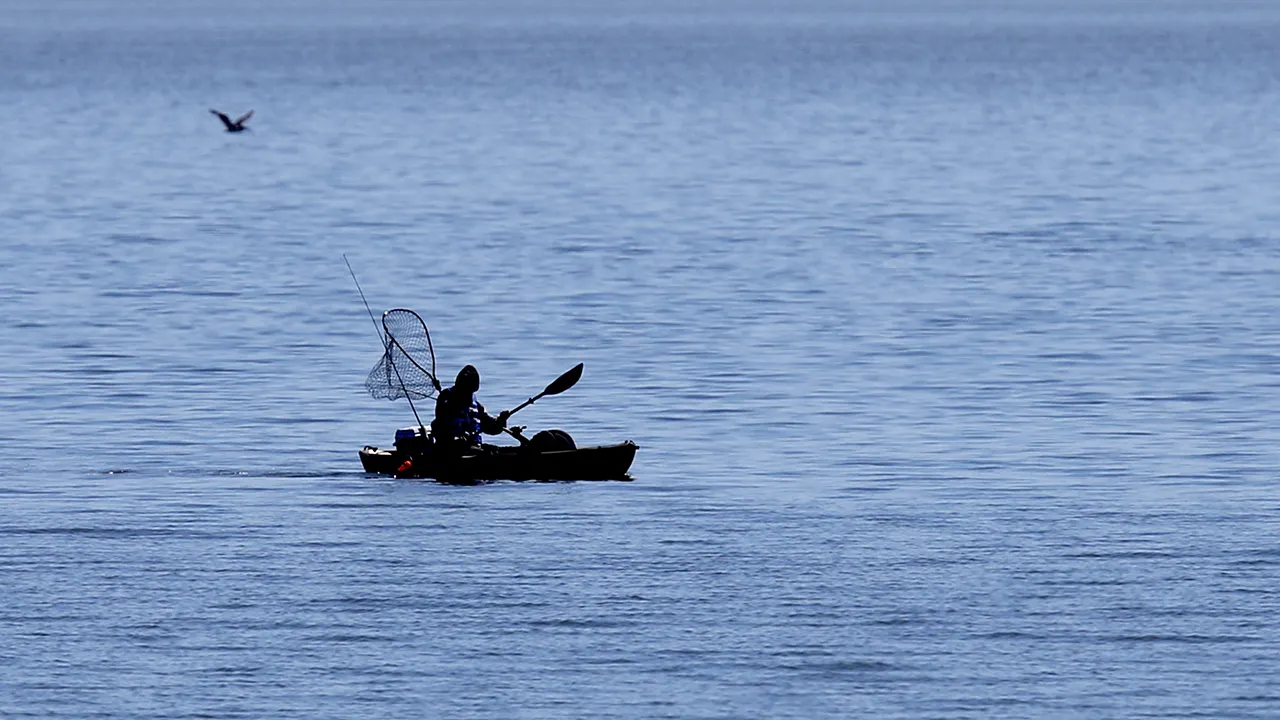

A fishing excursion off the coast of Malibu turned dangerous for a kayaker on Sunday morning when he was bitten by a shark, resulting in two notable injuries. The dramatic incident, which took place near Paradise Cove in Los Angeles County, unfolded as the fisherman attempted to release a captured mako shark. Following the bite injuries, the victim received immediate medical attention and was transported to a local hospital. While initially described as a shark attack by local officials, subsequent accounts characterize it as a fishing accident.
| Article Subheadings |
|---|
| 1) Details of the Incident |
| 2) Eyewitness Accounts |
| 3) Medical Response and Aftermath |
| 4) Understanding Shark Behavior |
| 5) Public Safety Measures |
Details of the Incident
On a sunny morning, the fishing kayaker, whose identity has not been disclosed, experienced a sudden and life-threatening situation as he fished off Malibu’s renowned beaches. The encounter began when the fisherman reportedly caught what was believed to be a mako shark, known for its speed and agility in the water. As he aimed to release the shark back into the ocean, the situation turned dangerous. The shark, likely feeling threatened, viciously bit the fisherman in two distinct locations on his leg, ultimately leading him to lose his balance and fall into the water.
Witnesses described the ordeal as harrowing yet quick. The shark managed to bite the angler a second time before disappearing into the depths of the ocean. Local officials, including members of the Los Angeles County Fire Department, responded quickly to the unfolding crisis. Initial reports labeled the situation a shark attack, sparking concerns among beachgoers and local businesses.
However, as more details emerged from the scene, authorities revised their characterization of the incident to a regrettable fishing accident, framing it as an unforeseen interaction between the fisherman and the captured shark.
Eyewitness Accounts
Eyewitnesses from nearby Paradise Cove Beach expressed shock at the incident. A manager from the local café recounted viewing the injured man’s wounds first-hand, noting that he had visible bite marks. In a statement, the café manager said,
“He was bitten in two places. I saw there were some teeth marks on his lower leg and above the knee.”
This observation underscores the severity of the injuries sustained during the encounter.
As the victim struggled to navigate the water, a nearby fisherman swiftly intervened to help. Footage captured by nearby onlookers showed the lifeguard and another fisherman racing to assist, emphasizing the quick action taken in what was undoubtedly a stressful situation. The camaraderie among beachgoers was evident as they rushed to ensure the safety of the injured kayaker.
Medical Response and Aftermath
Following the incident, the injured kayaker managed to reach out to his girlfriend, who is a retired lifeguard. She played a pivotal role in his recovery by helping him from the boat onto the shore and contacting emergency responders. This swift action likely aided in minimizing the severity of his injuries.
Los Angeles County Fire Department crews arrived promptly and provided medical assistance before transporting the victim to a local hospital for further evaluation and treatment. While initial fears regarding his injuries may have raised alarms, updates suggest that he is expected to make a recovery. The event, while intense, serves as a reminder of how quickly situations can escalate in recreational activities.
Understanding Shark Behavior
Encounters between humans and sharks, especially in coastal regions like Southern California, are not entirely uncommon. October marks a period when warmer coastal waters attract both sharks and their prey. The behavior of these predators often shifts during this time, as female sharks tend to seek warmer, shallow waters to serve as nursery grounds for their young. These nursery areas provide a more protected feeding environment for juvenile sharks to grow.
The chances of encountering a shark increase as both fishermen and beachgoers partake in activities in these fertile waters. Despite the potential dangers, only a small fraction of shark encounters lead to injuries. Nonetheless, incidents like the one in Malibu highlight the careful balance between human activities and marine life, emphasizing the importance of ocean awareness.
Public Safety Measures
In the wake of the encounter, officials emphasized the importance of maintaining safety protocols and awareness while near the water. Regular updates from local authorities suggest that beaches along the coast will remain vigilant, ensuring that both residents and tourists are informed about any potential hazards associated with marine wildlife. Interestingly, despite the serious nature of the incident, Paradise Cove Beach remained open to the public post-incident.
Local officials encourage anyone engaging in fishing or other water sports to remain cautious and informed about the behavior of marine life in the area. Engaging with local communities and relying on the expertise of lifeguards and local agencies can further serve to enhance safety during such recreational activities.
| No. | Key Points |
|---|---|
| 1 | A kayaker off Malibu was bitten by a shark while fishing on Sunday morning. |
| 2 | Witnesses reported the incident as a quick but frightening encounter with the shark. |
| 3 | The injured fisherman was promptly aided by nearby individuals and transported to a hospital. |
| 4 | Shark encounters are reportedly more likely in October due to changing marine conditions. |
| 5 | Local beach safety officials remain vigilant, emphasizing community awareness. |
Summary
The shark encounter at Malibu showcases the unpredictable nature of interactions between humans and marine wildlife. While the kayaker sustained injuries, swift responses by bystanders and emergency crews played a crucial role in his recovery. The incident serves as a pertinent reminder of the need for continued safety awareness in marine environments, particularly during months when ocean conditions enhance shark activity.
Frequently Asked Questions
Question: What type of shark was involved in the incident?
Reports suggest that the shark involved was likely a mako shark, known for their striking speed and agileness.
Question: What was the condition of the kayaker after the attack?
The kayaker was transported to a local hospital for treatment but was expected to recover from his injuries.
Question: What precautions should be taken when fishing in waters with sharks?
Fishermen and beachgoers should be aware of marine conditions, observe local wildlife more carefully, and follow safety protocols to minimize risks during their activities.
