


Article Subheadings
1) Overview of the 1931 Constitution and Its Aftermath
2) The Rise of Franco and the Nationalist Forces
3) The Role of International Brigades
4) The Conflict Between Stalin and Trotsky
5) The Red Terror and Its Impact
Overview of the 1931 Constitution and Its Aftermath
The 1931 Constitution of Spain marked a significant transition into the Second Republic, adopted by a coalition of republicans and socialists who won the elections in June 1931. This constitution, inspired by ideals from the French Revolution, represented a decisive break from the old regime, aiming to establish a democratic government grounded in the principles of sovereignty and separation of powers. In addition, the Constitution emphasized the necessity of secularism, leading to the separation of church and state and the elimination of state financial support for religious institutions. As part of this transformative agenda, significant social reforms were implemented, including the establishment of women’s suffrage, which empowered women politically for the first time in the nation’s history.
Despite these progressive measures, the republic faced fierce opposition. The government sought to push through comprehensive reforms focused on improving labor rights and expanding education. However, these initiatives angered conservative sectors and led to backlash, including a failed coup attempt in 1932. The political landscape further shifted following economic downturns, leading to the election of a radical right-wing government in November 1933, which promptly reversed many of the reforms. The atmosphere of increasing tension culminated in social unrest, including a general workers’ strike in 1934 that resulted in a violent crackdown by armed forces, marking a turning point in the lead-up to the civil war.
The Rise of Franco and the Nationalist Forces
General Francisco Franco emerged as the pivotal figure of the Spanish Civil War, seeking to overthrow the democratically-elected government of the Second Republic. Franco’s nationalist faction mobilized support by framing the conflict in nationalist and anti-communist terms, often likening his military strategies to a “crusade” aimed at preserving traditional Catholic values against the perceived threats of leftist ideologies. His alliance with conservative forces, including the Catholic Church and large landowners, granted him substantial backing as he portrayed the socialist reforms as a direct assault on Spanish heritage and identity.
The military coup, initiated between July 17 and 19, 1936, was marked by swift aggression, and Franco’s forces quickly gained ground. While his coup was successful in many regions, republican loyalists rallied against the takeover. The Spanish Civil War turned into a battleground for not only local factions but also international powers, effectively drawing Europe into a larger ideological conflict. While Franco received extensive military support from Nazi Germany and Fascist Italy, the republicans faced a tough battle without equivalent backing, relying heavily on moral and material support from the Soviet Union and international brigades.
The Role of International Brigades
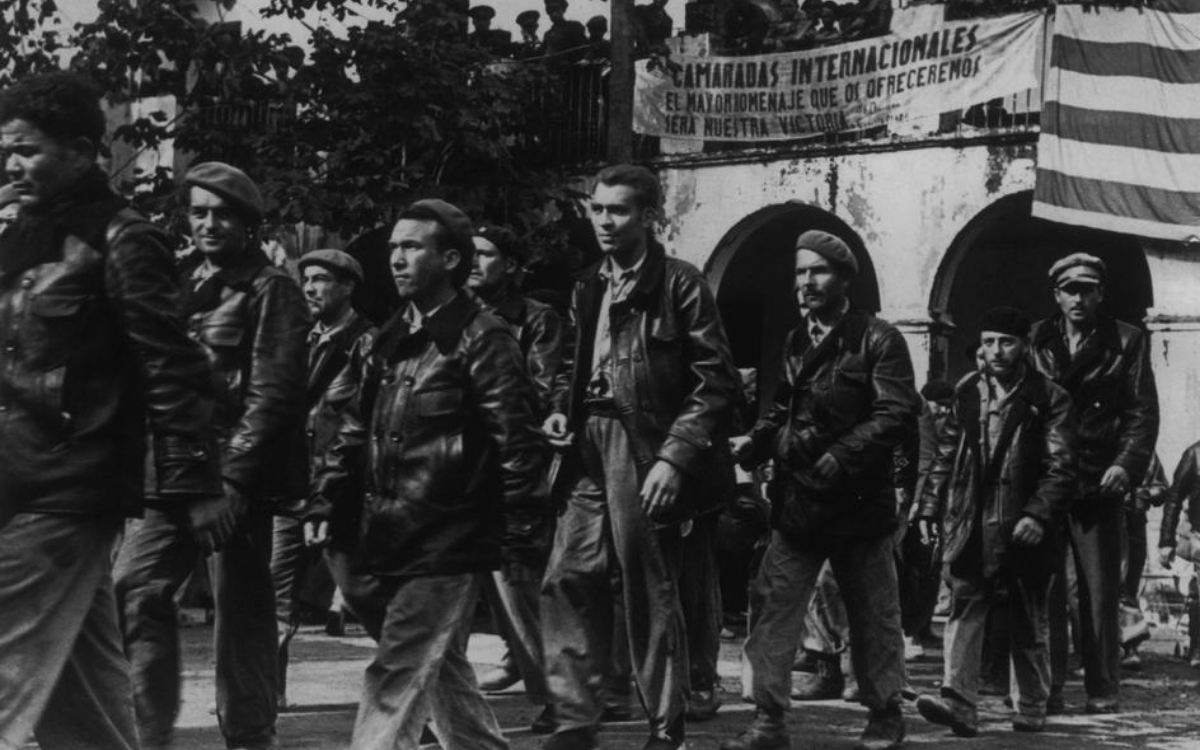
The Spanish Civil War was notable for the significant involvement of international volunteers who arrived to aid the republican cause. Many of these individuals, known as the International Brigades, came from a variety of political backgrounds, although most were aligned with socialist ideals and motivated by the need to resist the rise of fascism in Europe. Organized by the Communist International, these brigades were integral to the defense of key territories, including the capital, Madrid.
The influx of foreign fighters was met with various responses within Spain and abroad. Notably, during the war, while countries like Britain and France maintained a policy of non-intervention, totalitarian regimes like Germany and Italy openly supported Franco’s forces with military resources. The stark contrast in international support demonstrated a broader geopolitical division of the time. The International Brigades encompassed volunteers from approximately fifty nations, and their collective actions were instrumental in significant battles despite their eventual disbandment in 1938 due to various strategic considerations and internal pressures within the republican faction.
Aspects of the International Brigades highlight the complexities of the struggle. While their presence was celebrated by many, tensions existed between differing ideologies, notably anarchist and communist perspectives within the republican forces. The contributions made by these brigades, particularly in early defensive battles, were vital, yet their story is also marked by logistical challenges and political disagreements that often undermined their effectiveness.
The Conflict Between Stalin and Trotsky
The Spanish Civil War was not just a battleground for different factions within Spain; it also symbolized the broader ideological rift between Stalinist and Trotskyist factions of socialism. Following the outbreak of war, Leon Trotsky criticized the Spanish Communist Party’s alignment with the Popular Front, advocating instead for a more revolutionary approach led by the working class. Trotsky believed that the republicans’ reliance on bourgeois alliances would ultimately lead to failure against Franco.
Stalin’s approach was significantly different; he aimed to maintain a united front against fascism but prioritized the preservation of the existing republican order. This conflict came to a head as Stalin’s support for the republican government included suppressing radical leftist movements that advocated for more revolutionary changes. The tensions culminated in violent confrontations between various left factions, notably with actions against the United Workers’ Party and the anarchists.
Trotsky’s calls for an armed workers’ uprising starkly contrasted with Stalin’s strategic maneuvers, which often involved political purges and suppression of dissent within the republican ranks. The result was a fragmented left that was unable to present a unified front against Franco’s forces, ultimately contributing to the defeat of the republicans.
The Red Terror and Its Impact
One of the most harrowing aspects of the Spanish Civil War was the wave of violence known as the Red Terror. This period saw widespread anti-clerical violence and the systematic execution of thousands of clergy, believed to be complicit in maintaining the status quo against the republican reforms. Radical left elements, operating in the chaos of the early civil war days, targeted religious figures, associating them with the fascist opposition led by Franco.
Historians note that approximately 6,832 Catholic clergy were killed during this tumultuous period. The massacre was fueled by perceptions of the Church as an ally of the repressive conservative regime and a major roadblock to social progress. This violent response, however, not only reflected the depths of societal division but also served to galvanize support for Franco’s nationalists, portraying them as defenders of religious and traditional values against a supposed godless enemy.
The impact of the Red Terror and other massacres during the war exacerbated the already strained relations between varying factions within the republic. The legacy of violence and the deeply entrenched anti-clerical sentiment would leave lasting scars on Spanish society, influencing post-war politics and the collective memory of the conflict.
| No. | Key Points |
|---|---|
| 1 | The 1931 Constitution initiated substantial reforms aimed at democratizing Spain while emphasizing secularism. |
| 2 | Franco’s nationalist forces presented the civil war as a struggle to defend traditional Spanish values against leftist ideologies. |
| 3 | International Brigades were crucial in supporting republicans, despite facing internal and logistical issues. |
| 4 | Conflicts between Stalin and Trotsky highlighted ideological divides that undermined the republican cause. |
| 5 | The Red Terror resulted in thousands of clergy deaths and fostered deep societal divisions in Spain. |
Summary
The Spanish Civil War remains a critical event in understanding 20th-century political upheavals, illustrating the clash of ideologies and the devastating impact of civil strife. The conflict not only reshaped Spain but also served as an ideological battleground in the global struggle against fascism. The interplay of internal divisions — from class struggles to religious conflicts — created a complex tapestry of violence and resistance that would mark the years to come. The consequences of this upheaval shaped the nation’s future, posing critical challenges of reconciliation and recovery long after the fighting ceased.
Frequently Asked Questions
**Question: What were the key objectives of the 1931 Constitution?**
The 1931 Constitution aimed to establish a democratic framework in Spain, emphasizing principles such as the separation of powers, secularism, and civil rights. It introduced women’s suffrage and sought extensive social reforms to address the inequities fostered by the previous regime.
Question: How did Franco justify his coup against the republican government?
Franco framed his coup as a defense of traditional Spanish values against the chaos attributed to leftist policies and secular reforms. He rallied support using nationalist and anti-communist rhetoric, portraying the conflict as a necessary crusade to preserve the nation’s cultural and social fabric.
Question: What were the repercussions of the Red Terror during the Spanish Civil War?
The Red Terror resulted in the systematic killings of thousands of clergy and intensified societal divisions in Spain. This anti-clerical violence not only undermined unity among republican factions but also rallied support for Franco, who positioned himself as the defender against radical leftist violence.
