

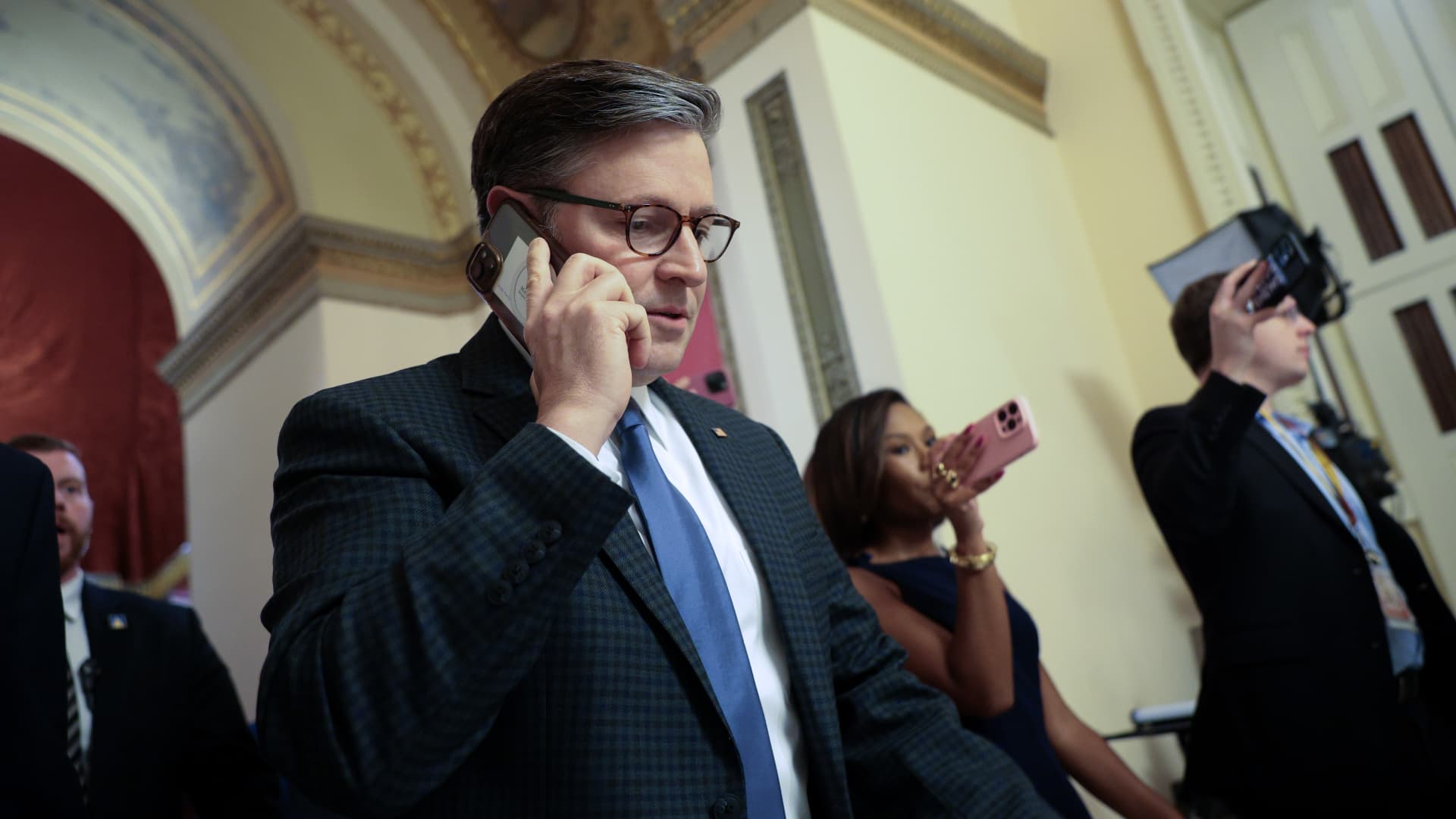

In a significant political move, the House of Representatives adjourned Wednesday without addressing the growing concerns surrounding artificial intelligence (AI) regulation, pushing any action to after the fast-approaching November midterm elections. Despite urgent requests from leading AI companies for regulatory measures, lawmakers appear focused on their campaign efforts, leaving a major topic unattended. This decision has sparked contention among Democrats and some Republicans, with calls for immediate legislative action intensifying as experts voice alarm over the potential dangers of unregulated AI technologies.
| Article Subheadings |
|---|
| 1) The Current State of AI Regulation in Congress |
| 2) The Push for Legislative Action |
| 3) Potential Legislative Measures on AI |
| 4) The Political Landscape Ahead of the Midterms |
| 5) The Future of AI Regulation: What Comes Next? |
The Current State of AI Regulation in Congress
As the narrative around artificial intelligence intensifies, Congress finds itself at a crossroads regarding the formation of effective regulatory measures. This urgency was underscored on a recent Wednesday when the House of Representatives adjourned, choosing to prioritize immediate political campaigns over pressing safety discussions about AI. Leading tech executives, including those from major firms like Anthropic and OpenAI, have voiced concerns about the potential ramifications of unregulated AI technologies, with some expressing that such advances could have catastrophic results in the near future—specifically predicting threats to human safety by the decade’s end. This has raised questions about the role of Washington legislators in shaping the evolving landscape of technology and ensuring public safety amid rapid advancements.
The Push for Legislative Action
In a climate of urgency, several lawmakers are calling for Congress to remain in session and address the perceived risks associated with AI development. Among the advocates for immediate action is Representative Sam Liccardo (D-Calif.), who represents a district rife with innovative technology. Liccardo has garnered support from 107 other Democrats, urging that the House should not adjourn without enacting regulations that advocate for public safety. In an open letter addressed to House Speaker Mike Johnson (R-La.), Liccardo articulated frustration, citing that while AI safety concerns escalate, Congress is sidestepping the issue in favor of what he characterized as “performative resolutions.”
Potential Legislative Measures on AI
Among the sweeping changes proposed by Liccardo and his colleagues is support for the bipartisan Frontier Act, which would implement measures ensuring AI labs are evaluated by third-party auditors for safety. This bill would introduce crucial transparency requirements, granting the Commerce Department authority to suspend or restrict AI models deemed to pose imminent catastrophic risks. Liccardo further suggested that Congress consider implementing a “kill switch” provision, allowing for the immediate shutdown of out-of-control AI models as an emergency safety measure. This concern underscores the potential hazards of advanced AI systems that may surpass human control.
The Political Landscape Ahead of the Midterms
With the midterm elections approaching, lawmakers’ focus appears to shift toward campaigning, halting any significant progress on critical regulatory frameworks for AI. Candidates are now more inclined to rally support for their re-election efforts rather than tackle complex technological concerns. This decision has implications beyond immediate legislation—it raises questions about the political will to address AI’s fast-evolving landscape. Additionally, with Donald Trump vocal in his opposition to stringent regulations, describing the potential dangers of AI as a “hoax,” lawmakers may face increased pressure to align with party perspectives that prioritize minimal regulation over proactive safety measures.
The Future of AI Regulation: What Comes Next?
As legislative efforts stall before the November elections, a myriad of questions loom over the future of AI regulation. While the Senate has plans to evaluate possible AI safety bills, any significant advancements preceding the midterm elections remain uncertain. Should bipartisan support fail to materialize, the window for addressing legislative needs surrounding AI might narrow further. Additionally, Jay Obernolte (R-Calif.), who champions the Frontier Act, remarked that their objective will be to initiate discussions on comprehensive AI regulation frameworks when Congress reconvenes after the election. The ongoing debate serves as a reminder of the challenges of aligning diverse political perspectives with the imperative of safeguarding technological advancements.
| No. | Key Points |
|---|---|
| 1 | The House of Representatives adjourned, delaying discussions on AI regulation until after the midterm elections. |
| 2 | Leading AI companies have voiced urgency for regulatory measures amid concerns over potential dangers of unregulated technology. |
| 3 | Lawmakers, including Rep. Sam Liccardo, are advocating for immediate legislative action to ensure AI safety. |
| 4 | Proposed measures include the Frontier Act, which mandates safety audits and transparency for AI labs. |
| 5 | The upcoming elections are causing lawmakers to prioritize campaign efforts over urgent safety discussions on AI regulation. |
Summary
The decision by the House of Representatives to adjourn without addressing the critical issue of AI regulation comes at a precarious time for lawmakers, experts, and the technology industry alike. As urgency for regulatory frameworks intensifies amid concerns about AI risks, political maneuvering leading up to the midterm elections may further hinder advancements in legislation that could safeguard public interests. With key proposals on the table and rising calls for accountability, the future of AI regulation remains uncertain, putting the safety of technological advancements at stake. The post-election period will likely set the stage for renewed discussions, aiming for a balance between innovation and public safety.
Frequently Asked Questions
Question: What are the main concerns about artificial intelligence regulation?
Main concerns about artificial intelligence regulation include the potential risks posed by unregulated technologies, which some experts believe could threaten human safety and control. Major tech executives have emphasized the need for robust regulations to prevent potential catastrophic outcomes.
Question: What is the Frontier Act?
The Frontier Act is a bipartisan legislative proposal aimed at establishing safety audits and transparency requirements for AI labs. It would also give authority to the Commerce Department to suspend AI models that pose imminent risks.
Question: How are the midterm elections affecting AI regulation discussions?
The midterm elections are causing lawmakers to prioritize campaign efforts over immediately addressing AI regulatory needs, creating a delay in discussions and legislative actions that could ensure public safety in the realm of advanced technologies.
