

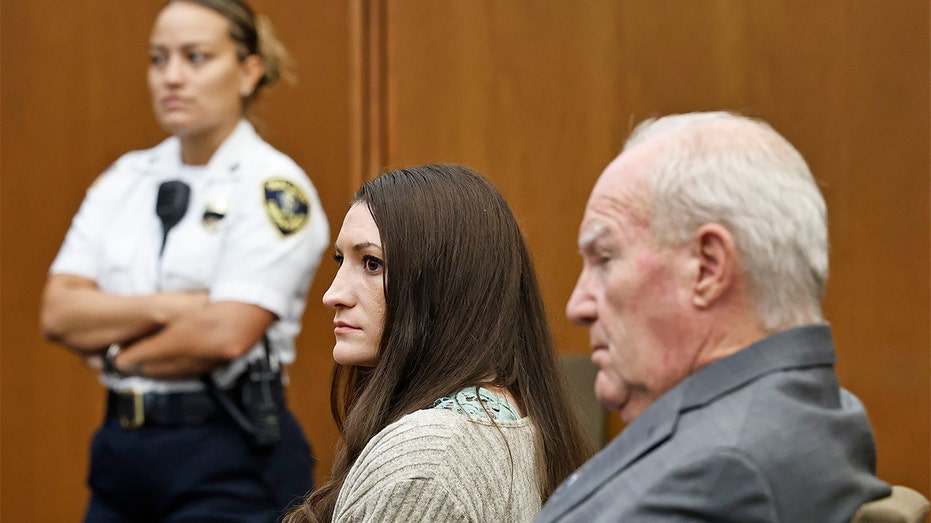

Lindsay Clancy’s defense lawyer has advanced a new reasonable-doubt argument after jurors failed to reach a verdict in her Massachusetts murder trial. Kevin Reddington questioned whether prosecutors had sufficiently proved that Clancy killed her three children. The argument differs from the defense’s earlier focus on postpartum psychosis and a lack of criminal responsibility. A judge is expected to hear additional motions before any retrial is scheduled.
The case concerns the deaths of Clancy’s three children at the family’s home in Duxbury in January 2023. Clancy survived a suicide attempt after the incident but was left paralyzed. Prosecutors oppose the defense request for a not-guilty finding, while the next major hearing is scheduled for Nov. 2.
| 1) | Defense shifts toward a sufficiency-of-evidence challenge |
|---|---|
| 2) | Mistrial follows a sharply divided jury |
| 3) | Physical evidence and police work come under scrutiny |
| 4) | Pending motions could shape the next stage |
| 5) | A retrial date remains unresolved |
Defense shifts toward a sufficiency-of-evidence challenge
During a hearing on a Rule 25(b)(2) motion, Kevin Reddington asked Judge William Sullivan to enter a not-guilty finding after the jury deadlocked. He argued that the prosecution had not presented sufficient evidence that Lindsay Clancy carried out the killings alleged in the indictments.
“Where’s the evidence that she did this?”
The argument was notable because the defense had previously centered on the claim that Clancy was not criminally responsible because of postpartum psychosis. Legal analyst Neama Rahmani said the latest position could represent a broader or changed strategy, although it could also be an effort to challenge the prosecution from multiple directions.
Mistrial follows a sharply divided jury
Judge William Sullivan declared a mistrial on Sept. 4 after jurors were unable to agree following approximately a week of deliberations. Several jurors later described an 11-1 split, with 11 jurors supporting a not-guilty verdict based on mental illness or defect and one juror favoring a murder conviction.
The defense had argued that Clancy strangled her children with exercise bands while experiencing postpartum psychosis. The prosecution rejected the request for a court-ordered acquittal and characterized the claim that there was no evidence linking Clancy to the deaths as an untenable reading of the case.
Physical evidence and police work come under scrutiny
At the hearing, Kevin Reddington raised questions about the blood evidence, DNA, the timing of events and the circumstances of Clancy’s suicide attempt. He also criticized aspects of the police investigation after Clancy was found injured in the backyard of the Duxbury home.
The defense indicated that the investigation and search of the home may not have established every element required for conviction. Retired Massachusetts judge Carol Erskine described the argument as a legally nuanced challenge to evidentiary sufficiency and investigative procedures. She said such motions are routine but rarely succeed.
Pending motions could shape the next stage
Clancy has pending motions seeking dismissal on double-jeopardy grounds and an inquiry into the juror who voted for conviction. The defense also challenged the investigation through arguments associated with a requested Bowden instruction, which concerns alleged flaws in the police work.
The prosecution and defense have told the court they need additional time. The court must decide the pending motions before the parties can determine whether the case will proceed to another trial, be resolved through another legal ruling or take a different course.
A retrial date remains unresolved
Clancy is scheduled to return to court on Nov. 2 for another motion hearing. No new trial date has been set. Kevin Reddington said he would not be available to begin a retrial until June 2027, placing a potential trial months after the upcoming hearing.
The defense’s revised emphasis on reasonable doubt does not itself establish that another person was responsible. However, legal observers said the argument could signal that the defense may supplement or reconsider its earlier mental-illness strategy if the case proceeds to a retrial.
| Number | Key Point |
|---|---|
| 1 | The defense challenged whether prosecutors proved Clancy committed the killings. |
| 2 | The jury deadlocked 11-1 before the judge declared a mistrial. |
| 3 | The defense questioned physical evidence and the police investigation. |
| 4 | Dismissal and juror-related motions remain pending. |
| 5 | A possible retrial has not been scheduled and may not begin before June 2027. |
Summary
The defense has moved beyond its original focus on postpartum psychosis by directly contesting whether the prosecution’s evidence was legally sufficient. The argument follows a mistrial caused by a sharply divided jury and leaves several procedural issues unresolved. The Nov. 2 hearing is expected to clarify whether the case can proceed and how the defense will approach any future trial.
Frequently Asked Questions
What caused the mistrial?
Jurors could not reach a unanimous verdict after approximately a week of deliberations, leading Judge William Sullivan to declare a mistrial on Sept. 4.
What is the defense arguing now?
The defense is arguing that prosecutors did not provide sufficient evidence to prove that Lindsay Clancy committed the killings charged in the indictments.
When will the case return to court?
Clancy is scheduled for another motion hearing on Nov. 2. A retrial date has not been set, and the defense has said it is not available to begin one until June 2027.
