

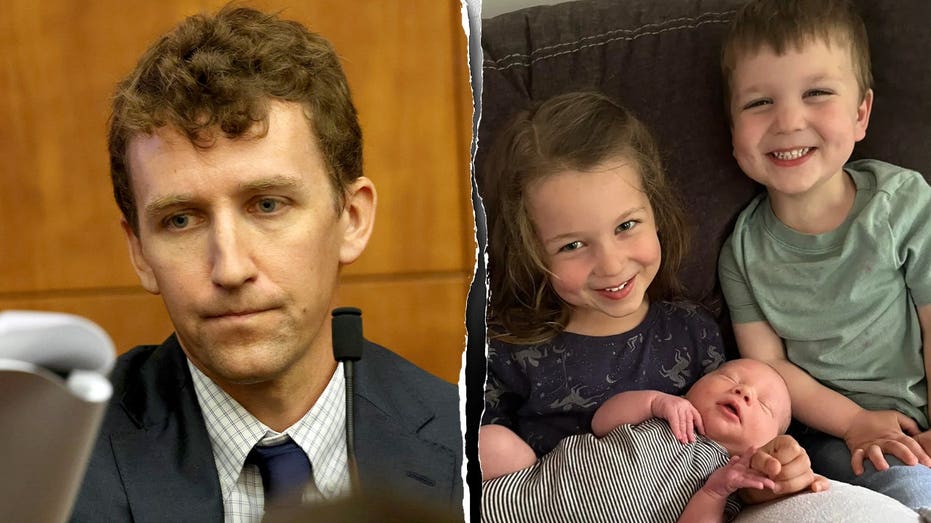

Lindsay Clancy’s defense attorney has rejected online conspiracy theories accusing Patrick Clancy of involvement in the deaths of the couple’s three children. Attorney Kevin Reddington said the evidence and years of investigation do not support claims that Patrick was responsible or neglectful. His comments came days after a Massachusetts jury deadlocked, producing a mistrial in Lindsay Clancy’s murder case. Prosecutors intend to seek a retrial, while the defense is pursuing motions to dismiss or reduce the charges.
| 1) | Defense rejects accusations against Patrick Clancy |
| 2) | Arguments over support and alleged neglect |
| 3) | Apple Maps searches remain central to the dispute |
| 4) | Attorney defends the postpartum illness theory |
| 5) | Mistrial leaves next legal steps unresolved |
Defense rejects accusations against Patrick Clancy
In an interview following the mistrial, Kevin Reddington strongly defended Patrick Clancy, the father of the three children who died. The attorney said online claims suggesting Patrick was involved have continued despite years of investigation. He characterized Patrick’s experience as horrific and urged critics to consider the emergency 911 recording before drawing conclusions.
“I’ve never said he did. I never would say he did. I don’t think the evidence shows that he did,” Reddington said.
The comments addressed speculation surrounding the deaths while reaffirming the defense position in the criminal case. Reddington said the evidence instead supports an argument centered on severe postpartum mental illness affecting Lindsay Clancy.
Arguments over support and alleged neglect
Reddington also rejected suggestions that Patrick Clancy neglected his wife or failed to assist her before the children died. He said Patrick accompanied her to medical appointments, advocated for her and supported her as she experienced sleeplessness and other symptoms that the defense has linked to serious postpartum illness.
“How was he neglectful? The man was with her, took her to the doctors, tried to advocate on her behalf, was supportive of her,” Reddington said.
The attorney further defended Patrick’s decision to remarry after the deaths, saying he was entitled to continue his life. Reddington said Lindsay Clancy did not object to Patrick moving forward and had no reluctance about criticizing him if she believed criticism was warranted.
Apple Maps searches remain central to the dispute
A central disagreement concerns Apple Maps searches that prosecutors highlighted during the trial. The prosecution has argued that Lindsay Clancy planned the killings and sent Patrick Clancy out on errands. Reddington argued that searches for travel times to a CVS were inconsistent with a carefully organized plan.
“Well then why would she Google the distance of nine minutes and three minutes to CVS?” Reddington said.
According to the defense explanation, Lindsay Clancy had spent the day caring for the children, was overwhelmed and wanted to know when her husband would return. Reddington said the searches occurred around bath time and bedtime, when she needed to know when Patrick would be home. He also argued that she could have harmed the children while Patrick was downstairs working if she had intended to carry out a calculated plan.
Attorney defends the postpartum illness theory
The defense has maintained that Lindsay Clancy was experiencing severe postpartum mental illness rather than acting according to a deliberate scheme. Reddington said her online searches about psychosis, medications and side effects were consistent with someone trying to understand her symptoms, not fabricating them.
The attorney also rejected claims that Lindsay Clancy invented hearing a voice to strengthen her defense. He argued that her reported symptoms aligned with the postpartum psychosis theory presented in court. The statements remain contested because prosecutors have advanced a different account of the planning and intent behind the deaths.
Mistrial leaves next legal steps unresolved
The comments were made after a Massachusetts jury failed to reach a unanimous verdict in Lindsay Clancy’s murder trial, resulting in a mistrial. The case has drawn national attention and intense online debate, including conspiracy theories about Patrick Clancy and the circumstances surrounding the deaths of the couple’s children.
Prosecutors have said they plan to retry the case. Before any retrial, the defense intends to seek dismissal of the charges or a reduction in the murder counts. Those motions, and any decision on a new trial, will determine how the case proceeds.
| Number | Key Point |
|---|---|
| 1 | The defense rejects claims that Patrick Clancy was involved in the children’s deaths. |
| 2 | The defense says Patrick supported Lindsay and sought medical help for her. |
| 3 | Apple Maps searches are disputed as evidence of planning. |
| 4 | Reddington continues to argue that severe postpartum mental illness explains Lindsay’s conduct. |
| 5 | The mistrial leaves open the possibility of a retrial and further defense motions. |
Summary
The defense has rejected online theories implicating Patrick Clancy and has continued to frame the case around Lindsay Clancy’s alleged postpartum mental illness. Prosecutors maintain that the killings were planned and intend to pursue the case again after the jury deadlock. The next major developments will be the court’s consideration of defense motions and any decision on a retrial.
Frequently Asked Questions
Why did the case end in a mistrial?
The Massachusetts jury could not reach a unanimous verdict in Lindsay Clancy’s murder trial, resulting in a mistrial.
What does the defense say about Patrick Clancy?
The defense says Patrick Clancy was supportive of Lindsay, accompanied her to medical appointments and was not involved in the children’s deaths.
What are prosecutors expected to do next?
Prosecutors have said they intend to retry the case. The defense is seeking dismissal of the charges or a reduction in the murder counts before that can occur.
