

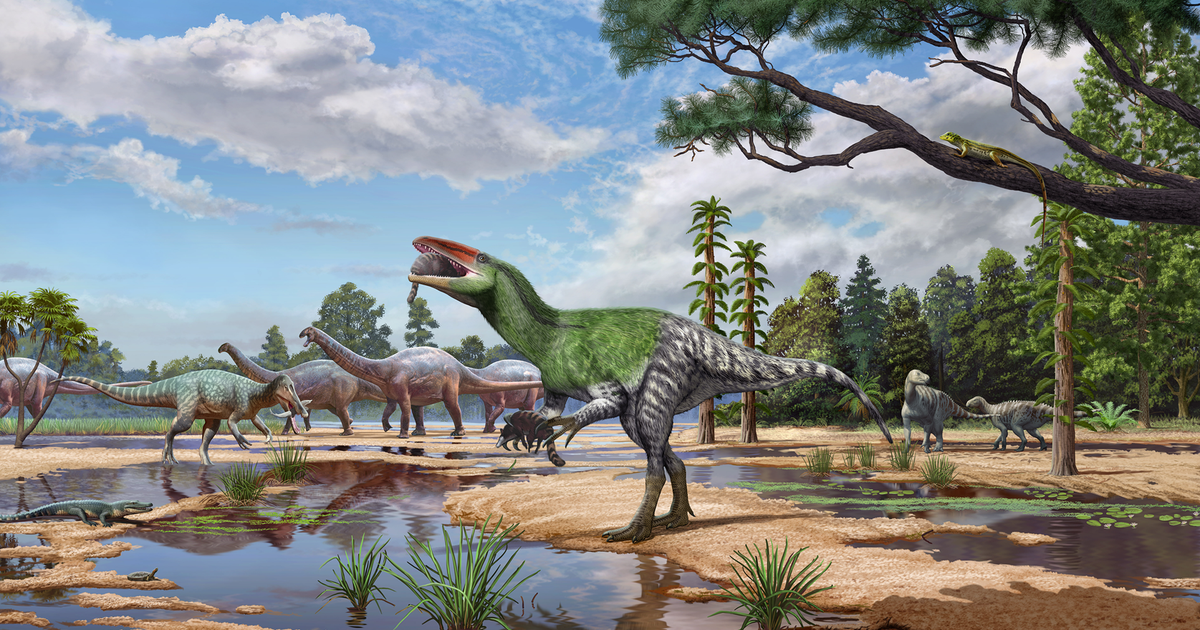

A newly identified dinosaur species, named Invictibellatrix amberina, has been discovered from a fossil that had been stored in the British Museum for nearly a century. This long-clawed predator, comparable in size to a tiger, is linked to the Tyrannosaurus rex and is recognized as part of the megaraptorans—a group of two-legged carnivorous dinosaurs. Researchers are excited by the implications of this discovery, shedding light on a species that lived approximately 120 million years ago.
| Article Subheadings |
|---|
| 1) Discovery of Invictibellatrix amberina |
| 2) Characteristics of the Dinosaur |
| 3) The Significance of the Fossil |
| 4) Methodology of Research |
| 5) Meaning Behind the Name |
Discovery of Invictibellatrix amberina
The species Invictibellatrix amberina emerged from a fossil that had remained hidden in the Natural History Museum in London for almost 100 years. First acquired in 1924, this significant piece of history was part of a collection of approximately 1,000 specimens discovered by paleontologist Reginald Walter Tooley on the Isle of Wight. This revelation came to light when researchers at University College London, led by Dr. Cassius Morrison, utilized advanced imaging techniques to examine the fossil and identified it as a previously unrecognized species.
Characteristics of the Dinosaur
Invictibellatrix amberina is estimated to have been between 10 to 13 feet in length and nearly 5 feet tall. Unlike many other carnivorous dinosaurs, this predator utilized its long arms and sharp curved claws to capture its prey, rather than relying solely on its mouth. The dinosaur’s anatomy suggests it was adept at hunting smaller dinosaurs, lizards, and mammals that roamed during its time. In addition, researchers believe that Invictibellatrix likely possessed feathers, a characteristic that connects it to the avian lineage among dinosaurs.
The Significance of the Fossil
The fossil that led to the identification of Invictibellatrix amberina is not just another addition to the dinosaur roster; it offers critical insights into the evolutionary lineage of megaraptorans. Dr. Morrison emphasized the importance of discovering a species that is both one of the smallest and earliest known members of this group. While Invictibellatrix was not the top predator of its time, its size and hunting techniques suggest it would have posed a significant threat to early mammals, including potential human ancestors who may have coexisted with such creatures.
Methodology of Research
To understand the structural nuances of Invictibellatrix amberina, researchers utilized a CT scan of the fossil, creating a detailed 3D model of its skull. This model was then compared with those of various other carnivorous dinosaurs, including imposing groups such as tyrannosaurs and spinosaurs. By identifying unique features in the skull structure, scientists confidently concluded they had uncovered a new species. Such methodological rigor highlights the sophistication of paleontological studies today, allowing for breakthroughs that unlock the mysteries of prehistoric life.
Meaning Behind the Name
The name Invictibellatrix, which translates to “unconquered female warrior,” reflects both the strength of the newly discovered species and serves a symbolic purpose. The term “amberina” refers to the amber found among the rocks where the fossil was located. The researchers aimed to imbue the dinosaur’s name with a sense of resilience and hope for those who have faced bullying, discrimination, and oppression, encouraging perseverance against adversity—highlighting an inspirational narrative alongside a scientific discovery.
| No. | Key Points |
|---|---|
| 1 | The dinosaur species Invictibellatrix amberina was identified from a fossil stored for almost a century. |
| 2 | It was a long-clawed predator, estimated to be 10-13 feet in length and 5 feet tall. |
| 3 | The research team used advanced CT scanning to create a 3D model of the skull for analysis. |
| 4 | Invictibellatrix employed its arms and claws to hunt, distinguishing it from many other dinosaurs. |
| 5 | Its name symbolizes resilience, intertwining paleontology with a message of hope. |
Summary
The discovery of Invictibellatrix amberina not only contributes to the rich tapestry of prehistoric life but also reaffirms the significance of meticulous research in paleontology. By unearthing this long-overlooked fossil, researchers have expanded our understanding of megaraptorans and their evolutionary history. This species serves as a reminder of the relentless pursuit of knowledge, inspiring future generations to explore the mysteries of our planet’s past.
Frequently Asked Questions
Question: What was the main method used to identify Invictibellatrix amberina?
Researchers utilized CT scans to create a 3D model of the skull, which was compared against known dinosaur fossils to identify its unique features.
Question: Why is the name Invictibellatrix significant?
The name means “unconquered female warrior,” reflecting both the dinosaur’s remarkable attributes and an inspirational message for those facing adversity.
Question: What does the discovery of Invictibellatrix amberina tell us about megaraptorans?
This discovery highlights the diversity and evolutionary history of megaraptorans, showcasing their hunting methods and ecological roles during the Early Cretaceous period.
