

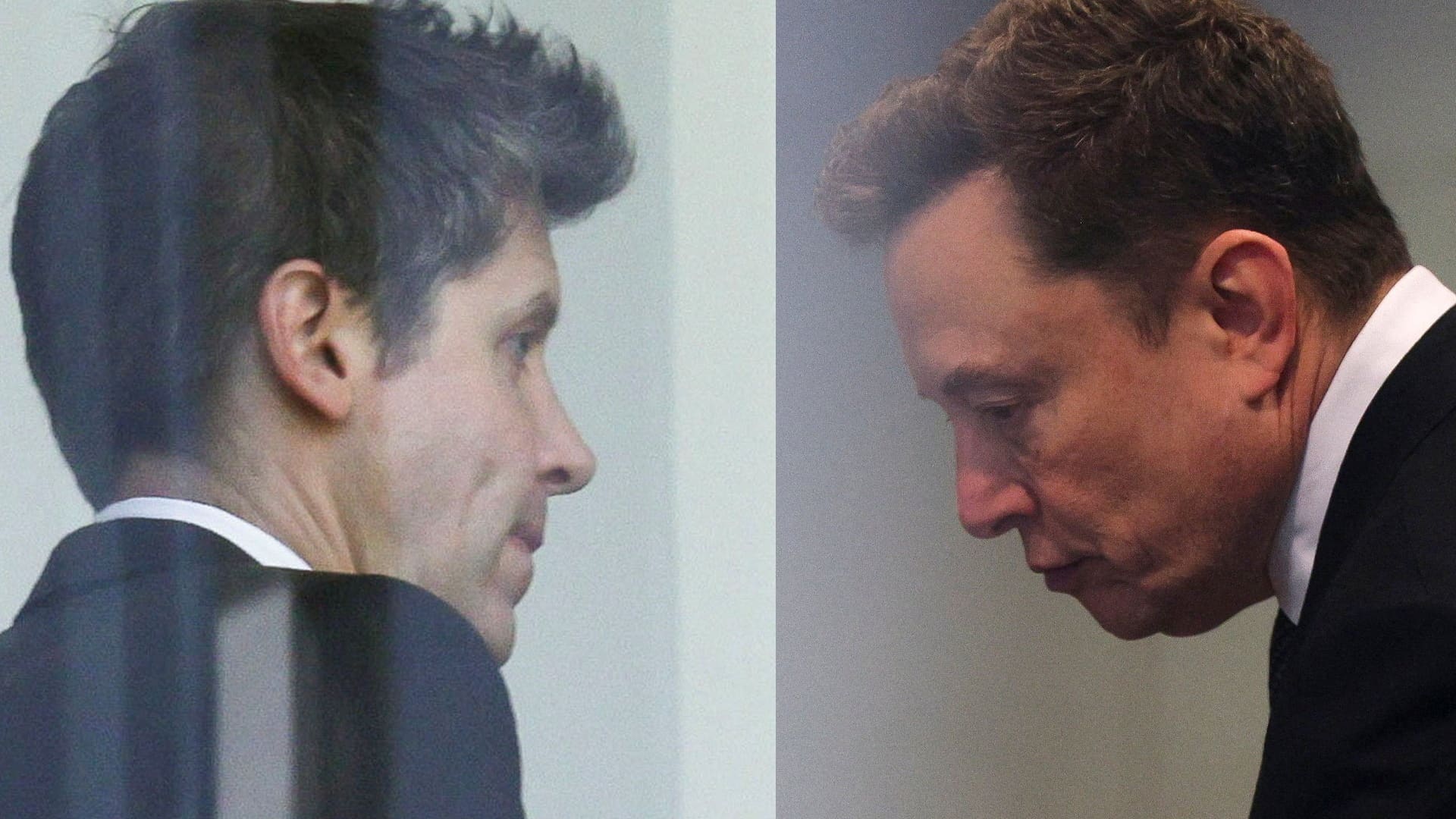

In a significant move within the tech industry, OpenAI announced it would terminate developers’ access to its models on Cursor, an AI coding startup recently acquired by SpaceX, owned by Elon Musk. This decision, attributed to concerns over the usage of technology under the terms of service, follows Musk’s controversial history with OpenAI after co-founding it in 2015. The move indicates a deepening rift between Musk and OpenAI’s leadership, raising questions about the future collaboration between these prominent entities.
| Article Subheadings |
|---|
| 1) OpenAI’s Decision to Terminate Access |
| 2) Background on Cursor and SpaceX Acquisition |
| 3) Musk’s History with OpenAI |
| 4) Industry Context and Reactions |
| 5) Implications for the Future |
OpenAI’s Decision to Terminate Access
Late on a recent Friday evening, OpenAI publicly announced that it would cease developers’ access to its AI models through the platform Cursor. This termination of access is scheduled to take effect on November 12, 2026, and it marks a noteworthy pivot in OpenAI’s partnerships, particularly concerning its collaboration with Cursor. The reasoning behind this choice, as articulated by OpenAI, is centered on a lack of confidence in SpaceX’s compliance with OpenAI’s terms of service regarding their technology. The announcement further emphasized the complexity arising from previous interactions with Musk’s companies, which, according to OpenAI, have included violations of contractual agreements.
Background on Cursor and SpaceX Acquisition
Cursor, an AI coding startup that has garnered attention for its innovative solutions, was acquired by SpaceX in a deal reported to be worth $60 billion and completed on August 14, 2026. Before this acquisition, the partnership between Cursor and OpenAI was characterized by a strong and collaborative relationship. The Cursor CEO, Michael Truell, noted in a post on the social network X that OpenAI’s models accounted for approximately 5% of Cursor’s user traffic. Truell expressed optimism about resolving the situation and highlighted Cursor’s long-standing history as one of OpenAI’s earliest collaborators.
The implication of Musk’s acquisition of Cursor creates a complex dynamic, especially considering OpenAI’s concerns about how the technology might be utilized under SpaceX’s ownership. During the acquisition negotiations, it was anticipated that SpaceX would leverage Cursor’s capabilities, which has now led to apprehensions from OpenAI regarding intellectual property and compliance issues that have historically plagued their interactions with Musk.
Musk’s History with OpenAI
The backstory between Elon Musk and OpenAI is rich with controversy and conflict. Musk was not only one of the co-founders of OpenAI but also one of its early financial backers, providing substantial funding when it was established in 2015 as a non-profit aimed at advancing artificial intelligence in a safe and ethical manner. However, tensions surfaced when Musk departed from the company’s board in 2018, amidst controversial disagreements over the company’s direction and strategy, including the hiring of talent away from OpenAI and a subsequent withdrawal of promised donations.
Following his exit, Musk’s criticisms of OpenAI grew more pronounced. He accused the organization of deviating from its foundational commitments, framing its transition to a for-profit model as a violation of its initial goals. Musk’s various public statements and lawsuits have further complicated his relationship with OpenAI’s current leadership, which includes Sam Altman as CEO and Greg Brockman as President. In 2024, Musk filed a lawsuit against OpenAI, Altman, and Brockman, claiming the organization’s restructuring was tantamount to “stealing a charity.”
Industry Context and Reactions
The announcement by OpenAI to terminate access to its models through Cursor is not an isolated incident in the rapidly evolving AI landscape. The industry has witnessed similar actions from various organizations concerned about how their technologies are being utilized. Just last June, the AI company Anthropic blocked access to its Claude AI models through another platform, Windsurf, due to concerns over compliance and usage. This pattern suggests a growing trend among tech companies to maintain strict control over their intellectual property, especially as competition within AI coding tools intensifies.
Industry observers noted that following this announcement, reactions on social media platforms like X were swift. Critics of Musk’s approach questioned the credibility of his previous engagements, while supporters argued for a fresh approach to AI development. The discourse surrounding these developments has highlighted the fraught nature of relationships in the tech sector, especially as firms position themselves prior to potential initial public offerings (IPOs) amidst ongoing uncertainty regarding market valuations and competition.
Implications for the Future
Looking ahead, the implications of OpenAI’s decision and Musk’s acquisition of Cursor could be profound. OpenAI’s upcoming IPO, anticipated next year, reflects a crucial pivot point not only for the company but for the broader AI industry. The competitive stakes are high, especially with rival firms like Anthropic reportedly preparing for their own public offering at a staggering projected valuation of $2 trillion. Maintaining solid partnerships could be vital for sustaining momentum during this critical time.
Conversely, the ongoing conflict between Musk and OpenAI’s leadership could hinder collaborative opportunities in the future. OpenAI’s established position in the AI market means their moves may significantly affect other entrants and existing players. As Musk continues to challenge OpenAI’s business practices and governance, the ramifications could reshape industry dynamics, potentially leading to further fragmentation and competing narratives around ethical AI implementation.
| No. | Key Points |
|---|---|
| 1 | OpenAI is terminating access to its models on Cursor following its acquisition by SpaceX. |
| 2 | Cursor was acquired by SpaceX for $60 billion, raising concerns over technology usage. |
| 3 | Elon Musk’s contentious history with OpenAI includes lawsuits and public critiques. |
| 4 | Similar actions regarding access to AI models by other firms signal a trend in the industry. |
| 5 | OpenAI’s upcoming IPO highlights the competitive landscape of the AI market amidst ongoing tensions. |
Summary
OpenAI’s decision to cut access to its models via Cursor, now under SpaceX’s ownership, signals escalating tensions between Musk and OpenAI. As industry competition heats up and firms prepare for significant financial endeavors, the narrative of collaboration versus conflict will play a vital role in shaping the AI landscape. As developments unfold, the implications of these corporate maneuvers will be closely monitored by stakeholders and industry observers alike.
Frequently Asked Questions
Question: Why is OpenAI ending access to its models through Cursor?
OpenAI has cited concerns regarding SpaceX’s compliance with its terms of service as the primary reason for terminating access to its models, especially given Elon Musk’s track record regarding contractual agreements.
Question: How did the acquisition of Cursor by SpaceX impact OpenAI?
The acquisition raised significant concerns for OpenAI about how its technology would be utilized under SpaceX’s ownership, prompting OpenAI to terminate access as a preemptive measure against potential violations.
Question: What is the broader context of the ongoing tensions between Musk and OpenAI?
The tensions stem from Musk’s departure from OpenAI’s board, his subsequent lawsuits, and criticisms regarding the company’s transition into a for-profit entity, leading to claims that the company has strayed from its founding mission.
