

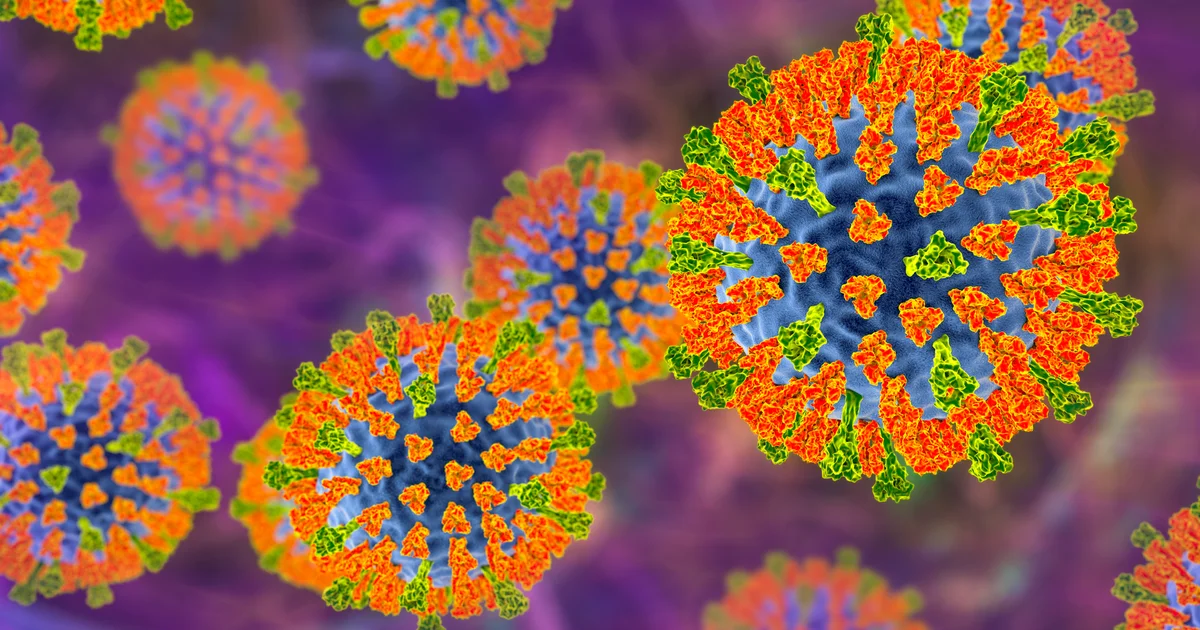

Pennsylvania has reported its first two deaths related to measles in 35 years, as confirmed by the state health department on Tuesday. Both individuals who succumbed to the disease were unvaccinated, and the tragic incidents took place in Lancaster County. Officials are raising alarms about the rising measles cases in the state and nationwide, aiming to inform the public about the importance of vaccinations to safeguard public health.
| Article Subheadings |
|---|
| 1) Overview of Measles Cases in Pennsylvania |
| 2) The Importance of Vaccination: MMR |
| 3) Government Response to Growing Concerns |
| 4) National Vaccination Trends and Their Implications |
| 5) Educational Initiatives and Public Health Measures |
Overview of Measles Cases in Pennsylvania
The state of Pennsylvania has found itself grappling with a significant health crisis as it faces its first two measles-related deaths in 35 years. The state health department reported these fatalities on Tuesday, highlighting the urgent need for enhanced awareness regarding measles and its impacts. The deceased individuals were from Lancaster County and notably did not receive vaccination against the virus, which is the primary means of prevention.
As of the time of the report, there had been 393 confirmed measles cases detected across 29 counties in Pennsylvania this year alone. These figures reflect a broader national trend, as measles cases in the United States have reached the highest levels seen in over three decades. This alarming rise in cases has drawn attention to the ongoing importance of public health measures designed to combat vaccine-preventable diseases.
The Importance of Vaccination: MMR
The key to preventing measles outbreaks lies in vaccination, particularly through the MMR vaccine, which protects against measles, mumps, and rubella. This vaccine is typically administered to children in two doses: the first between 12 to 15 months and the second between 4 to 6 years of age, as recommended by health authorities like the Centers for Disease Control and Prevention (CDC).
During a recent news conference, Health Secretary Dr. Debra Bogen emphasized the gravity of measles as a disease, stating,
“Because measles was largely eliminated in the Commonwealth for more than three decades, people are not familiar with this disease and don’t fully understand the potential severity of the illness.”
This statement reflects a growing concern that inadequate awareness about the disease may lead to hesitance in seeking vaccinations. The health department is calling for all Pennsylvanians to educate themselves about the necessity and safety of vaccines to protect themselves and their communities.
Government Response to Growing Concerns
In light of the rising measles cases, Pennsylvania officials, including Governor Josh Shapiro, have been proactive, holding press conferences to communicate the seriousness of the situation and to urge the public to take measures to safeguard their health. During these discussions, government representatives underscored the imperative for vaccination and the rejection of misinformation surrounding vaccines.
The recent deaths and the spike in measles cases have prompted government officials to ramp up educational campaigns, not only focusing on vaccination but also addressing general health awareness. The urgency of their message reflects the severe health risks associated with measles, creating a momentum for increased public discourse on vaccine education.
National Vaccination Trends and Their Implications
Nationally, vaccination rates among young children have been declining, with recent CDC statistics indicating that the vaccination rate for kindergarteners across the nation has dropped from 95.2% during the 2019-20 school year to 92.4% in the 2025-26 school year. This decline is concerning, as a herd immunity vaccination rate of at least 95% is deemed necessary to prevent outbreaks.
The correlation between vaccination rates and the resurgence of diseases like measles serves as an essential reminder of the critical role that vaccines play in public health. The fluency between vaccination rates and disease outbreaks illustrates the need for enhanced public awareness campaigns, especially in areas where hesitancy is prevalent.
Educational Initiatives and Public Health Measures
To address the concerning rise in measles cases, health officials are set to implement various educational initiatives focusing on vaccine accessibility and education. Programs aimed at informing parents and caregivers about the significance of immunization against vaccine-preventable diseases are slated to roll out within communities.
As awareness grows, community leaders and healthcare professionals are being called upon to foster an environment where open discussions about vaccine safety and efficacy can take place. Increased resources and educational material will be developed and disseminated to institutions, health centers, and through social media platforms to combat misinformation that contributes to vaccine hesitancy.
| No. | Key Points |
|---|---|
| 1 | Pennsylvania has recorded its first measles-related deaths in 35 years. |
| 2 | 393 measles cases confirmed across 29 counties in the state this year. |
| 3 | The MMR vaccine is crucial for preventing measles and is recommended for children. |
| 4 | Vaccination rates have declined nationally, raising concerns about potential outbreaks. |
| 5 | Officials are implementing educational initiatives to improve public understanding of vaccines. |
Summary
The recent measles deaths in Pennsylvania serve as a stark reminder of the importance of vaccination and public health awareness. As the numbers of confirmed cases rise both locally and nationally, officials stress the imperative of immunization in preventing outbreaks. With educational initiatives in development, it is hoped that the fear surrounding vaccines can be mitigated, ultimately fostering a healthier population and safer communities.
Frequently Asked Questions
Question: What is measles?
Measles is a highly contagious viral infection that can lead to severe health complications, including death. It spreads through respiratory droplets and is known for causing a characteristic rash.
Question: Why is the MMR vaccine important?
The MMR vaccine provides immunity against measles, mumps, and rubella, protecting individuals and communities from outbreaks of these diseases.
Question: How can I ensure my child is vaccinated?
To ensure your child is vaccinated, consult with your healthcare provider about the vaccination schedule and keep a record of their immunizations.
